
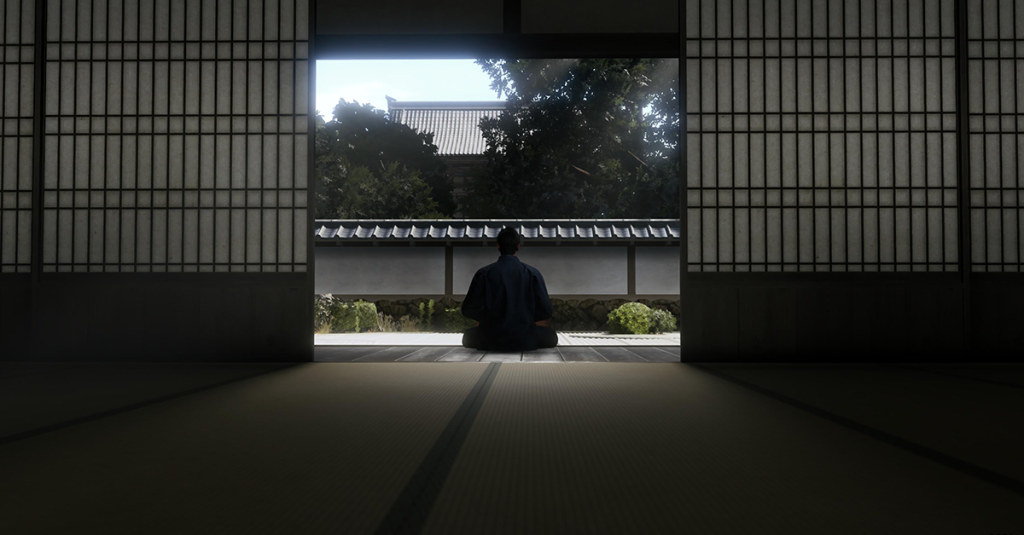
2023 | Ryu Ga Gotoku Studios | Playstation 5
This review contains spoilers for Yakuza 7: Like a Dragon and Like a Dragon Gaiden.
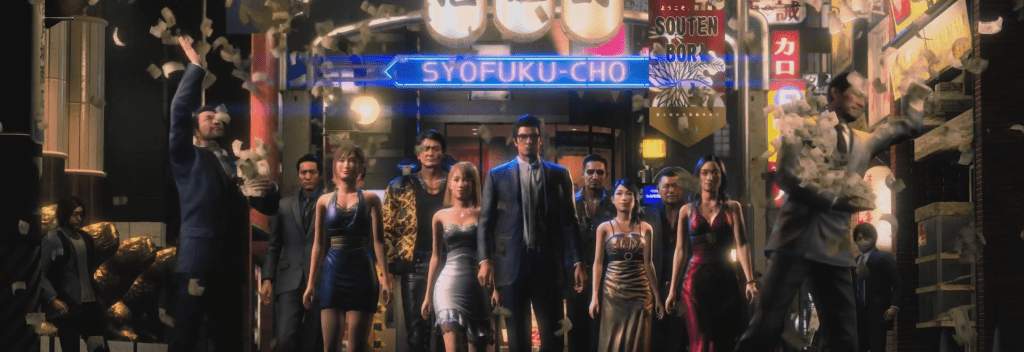
With the departure from the Yakuza name from Yakuza: Like a Dragon onward, we’re experiencing a whole new era of everyone’s favorite crime drama. A whole new set of characters has taken the spotlight with Ichiban and his number one gang, however it seems that RGG Studios has a lot of trouble letting go of their mascot dad, Kiryu. Spin-offs are nothing new to the series, but instead of pitting you against the industrial revolution in the Edo era, or against a horde of undead nightclub guests; this era is introducing small side stories to fill in the gaps between or during the main games. This time we’re focusing on what happened to Kiryu after his exit from the series at the end of Yakuza 6: Song of Life and leading up to Like a Dragon: Infinite Wealth. Even though I have not been following the series quite as religiously as I used to, the return to the classic beat ’em up format had a certain nostalgic appeal to it that had me hankering for some good old Yakuza. What I got, however, were some of the series highest of highs and absolute lowest of lows. So what makes this entry in particular feel so polarizing?

Like a Dragon Gaiden: The Man Who Erased His Name is the first in the new Gaiden series of spin-offs to Like a Dragon, showcasing the world outside of the events in the main line entries. While the original concept for the game was more intended as an interlude with Infinite Wealth, development shifted to a full game instead. This was likely to help with the pacing of both titles in order to tell a satisfying story. Though a lot of the classic elements of Yakuza story-telling are present within the actual story, the limited scope, scale and stakes present are hindered by the fact that there is no larger tension. To put it bluntly, it’s a filler episode to wet the palette for the main course. This doesn’t mean that the absolutely bonkers writing isn’t present. On the contrary! When the game focuses on the three chapters of main story past the first two chapters of set-up, we’re treated to an insanely satisfying ride and one of the most emotionally impactful pay-offs in the franchise.
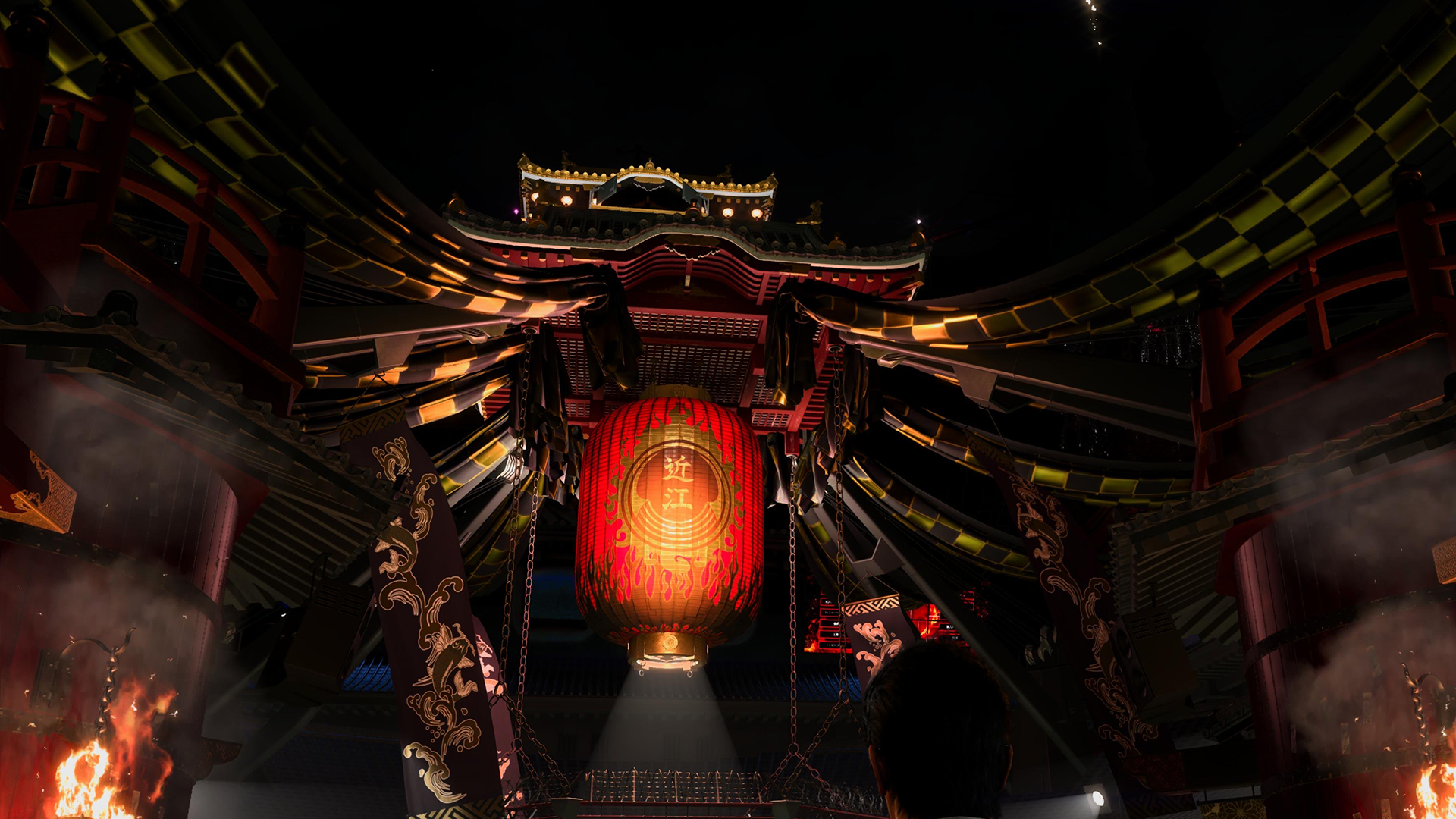
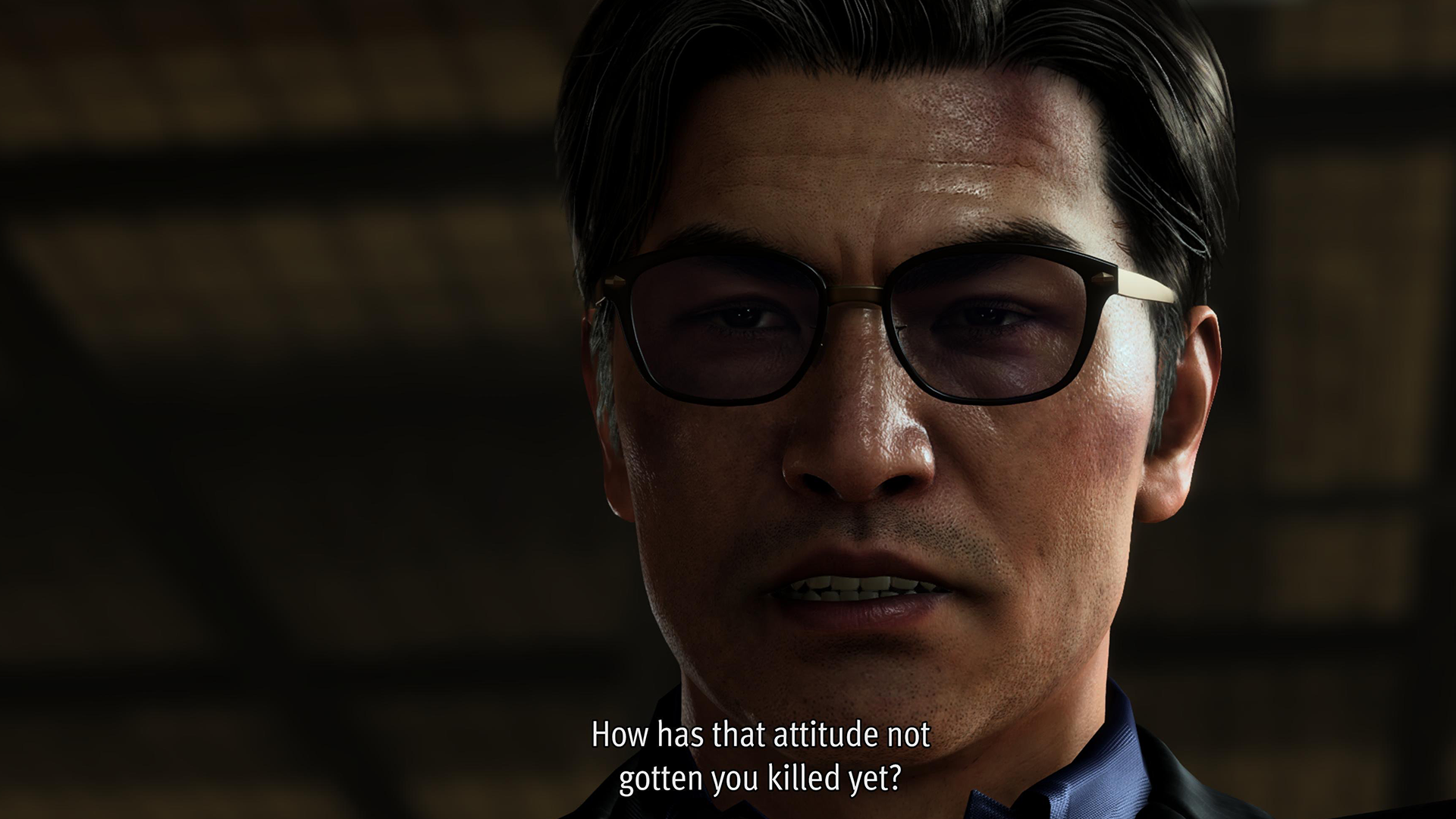
After the events of Yakuza 6, Kiryu bartered a deal with the Daidoji faction to fake his death in order to protect the children of the orphanage, and is now working for the group as a secret agent, living under the brand new name of Joryu. While working under the Daidoji faction alongside his handler, Hanawa, he’s tasked to provide security for a smuggling operation. The situation quickly goes awry as the operation turns into a trap, as a group of masked assailants brutally dispatch of nearly everyone in a successful attempt to kidnap Hanawa. The whole operation was meant to draw Kiryu back into the spotlight in order to assist the Omi Alliance, using Hanawa as leverage. With the lives of the children at the orphanage dangled over him like a carrot on a stick, Kiryu ends up torn between loyalty to his promise to the Daidoji faction and his former affiliation with the yakuza. Through some workaround ways Kiryu’s services are bought by the same family that kidnapped Hanawa in order to serve as a bodyguard for the release of the Omi Alliance chairman. Both the Omi Alliance and Tojo Clan, under pressure of the new anti-yakuza legislations, have come to an agreement to dissolve both of the clans. As a result, a lot of unrest and dissatisfaction was brewing among the members. Kiryu’s task as Joryu is to make sure the announcement and subsequent disbanding goes off without a hitch. Along the way we have to stop the owner of the local colosseum and Kijin Clan patriarch, Nishitani, from assassinating everyone involved in the dissolution plan.
A lot of my conflicted feelings towards this game come from the way the initial chapters are constructed. Out of the five chapters in the game, two of them are meant as partial worldbuilding and side quest introductions. This leads to some intense story moments being followed up by grinding points for an underground information network and duking it out in the colosseum for some street cred and a golden tiger keychain. It’s honestly a mess of a game when you purely observe it from narrative flow. It left me incredibly apathetic towards the story that was building up and made me struggle to continue through those initial two chapters. Granted, a lot of this is personal preference, as I tend to focus on the story first before doing side content at all. I like to get dragged into the world of Like a Dragon and be bludgeoned by the narrative into a sobbing mess with each new installment. The stories we’ve experienced throughout the series have been some of the most captive interactive soap operas I’ve ever had the pleasure to play.
The Man Who Erased His Name is no different once the ball finally starts rolling. The second half of the game is an intense rollercoaster of clashing loyalties, old fan favorites, epic fights, Mission Impossible moments and emotional pay-offs. The final two scenes in the game turned me into a blubbering mess of sadness, pride and happy tears in one of the most powerful scenes that the franchise has to offer. Throughout the game we’ve been reminded over and over that Kiryu is not allowed to make contact with the kids under his oath to the Daidoji. However, due to his services provided during the game, Hanawa presents him with the reward of footage from a hidden camera pointed at his grave. Here we see Haruka and Haruto, now four years old, visiting the gravestone alongside the other kids. At some point Taichi and Ayako find the hidden camera and, believing Kiryu to be alive, leave a heartfelt message as well as telling Kiryu about how the children are doing. It’s gut wrenching in an incredibly proud way. Throughout the series we’ve watched these children grow up and the sacrifices Kiryu went through to keep them safe. This scene provides such a deep relief and emotional pay-off, made all the more tear inducing by Takaya Kuroda’s absolutely magnificent performance. At the end we’re shown a drawing made by Haruto as a cherry on top and at this point I could barely see the screen from all the tears. It goes to show how deeply engaging the characters can be and how rewarding it can be to follow this long lasting, ever spiraling narrative throughout the years, almost decades.

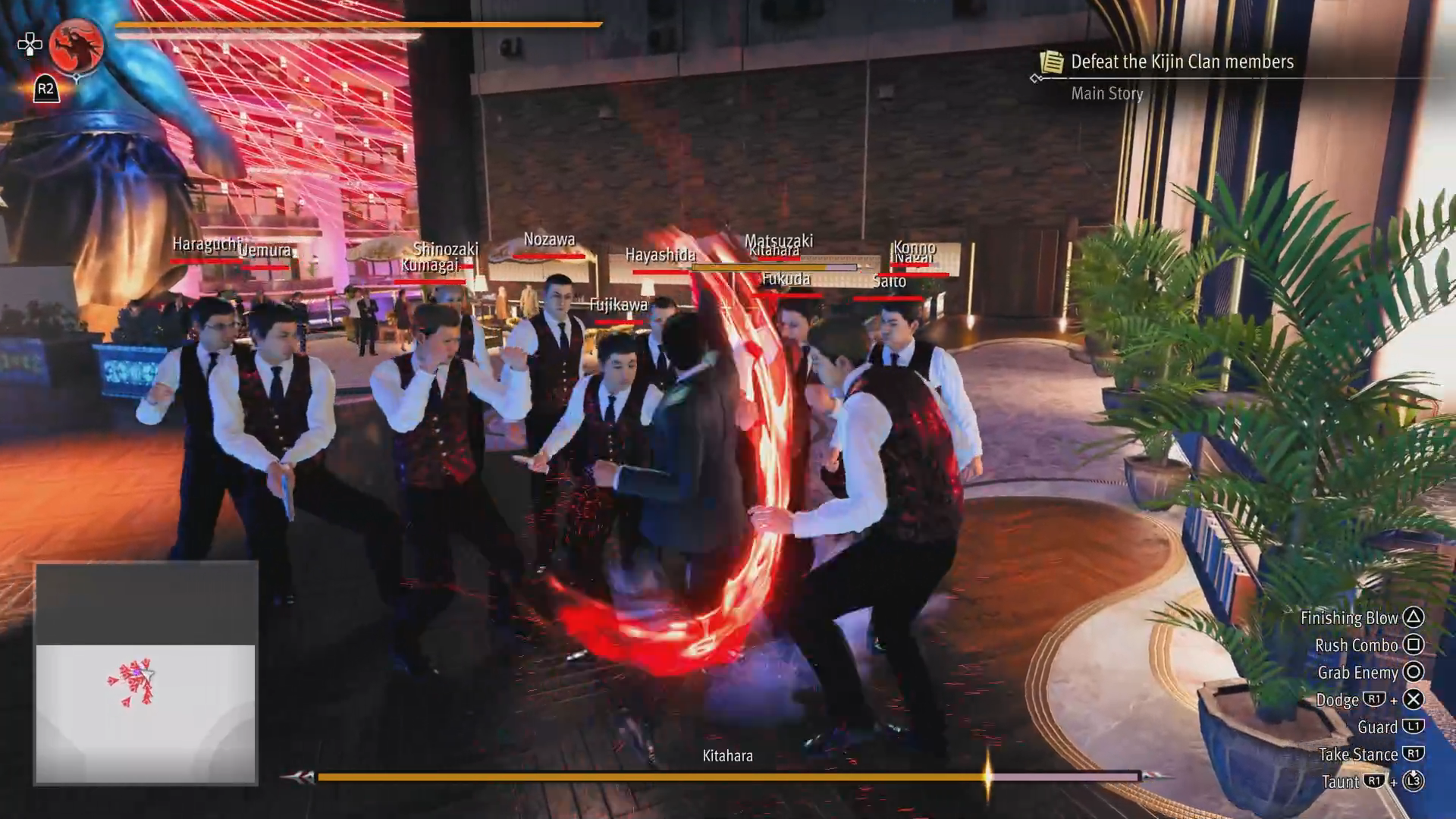
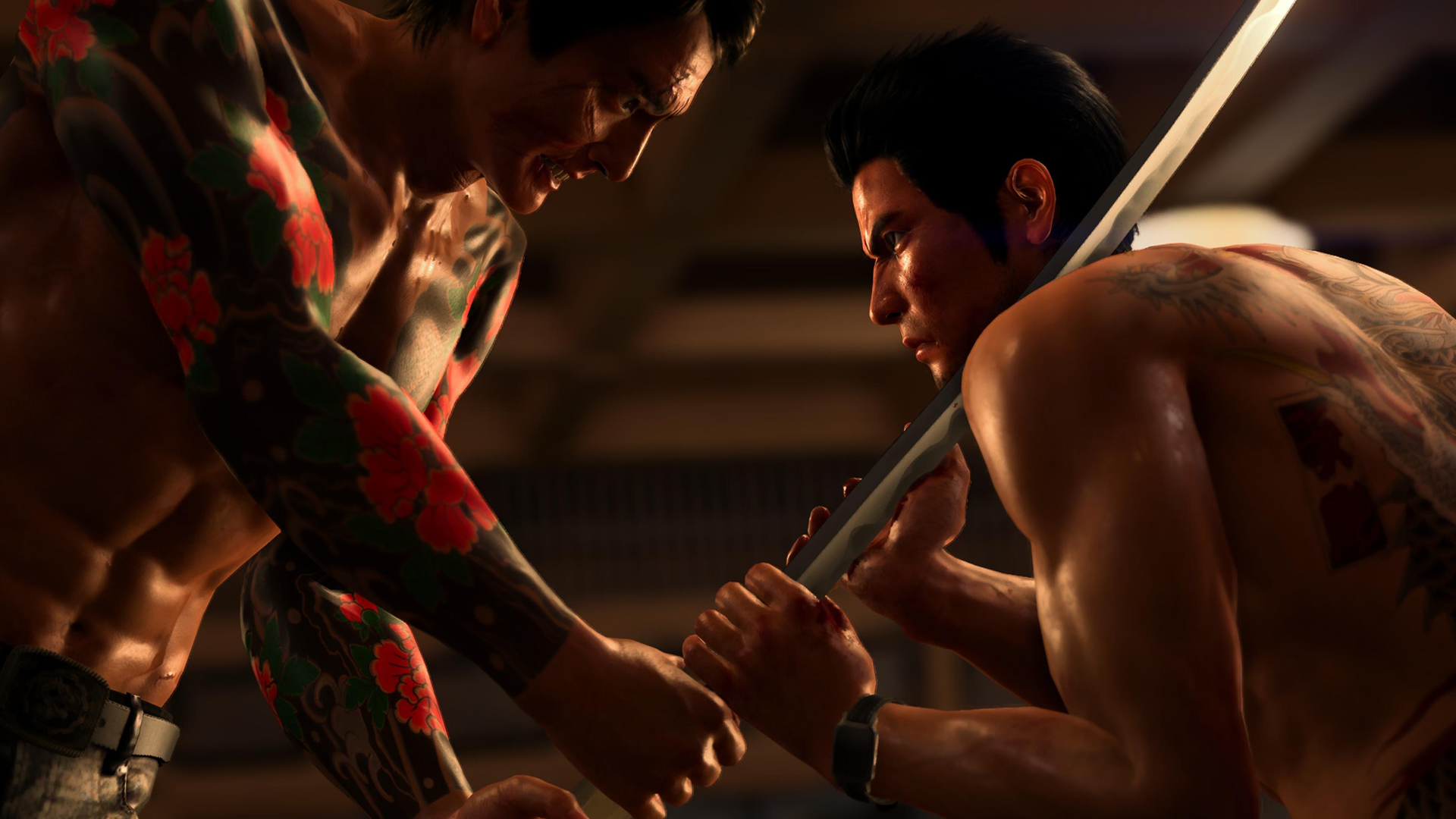
Like a Dragon Gaiden: The Man Who Erased His Name introduces us to a few new gameplay elements that bring a breath of fresh air to the traditional beat ’em up style of game. The first one is the brand new Agent Style of fighting. Kiryu hasn’t been sitting still during his time at the temple working for the Daidoji faction and picked up their signature fighting style along the way. This move set is mostly comprised of fast and precise attacks, grapples and holds and also introduces some high tech gadgets that can be used in the middle of combat. The most important of which is the Spider thread. I love this dumb wire that wraps enemies up like a cocoon waiting to be pummeled into a pulp. You can also use it to pull and throw enemies, leading to some hilarious combo’s. If you style switch in the middle of a light punch combo, you can somewhat indefinitely juggle enemies using the Spider pool. It’s the closest I have ever seen a Yakuza game come to the Tekken franchise. Next to the Spider we also get an indefinite supply of drones to bonk enemies on the head with, jet boots to zip around combat like some Heely powered fist fiend and the literal interpretation of “Smoking kills” with flashbang cigarettes. This style provides a wide array of agile and silly moves to toy around with and it’s rather satisfying. We also get our familiar style with the Yakuza Style, a more all-round brawler method of fighting. It’s slower, but hits a lot harder with the ability to charge into moves to topple large groups with ease. You also get to counter enemies that try to hit you with their most lethal moves by dodging at the right time.
Overall, combat feels very satisfying, but does suffer a lot from some familiar problems to the Dragon Engine. The input buffer window for button presses is quite large and it’s especially noticeable when doing heavy moves in Yakuza Style. You’ll often find Kiryu suddenly standing still for a moment after performing a big swing if you pressed the button twice, leading to him waiting for the recovery window to pass to swing big again. Some animations also can’t be cancelled, so figuring out which move you can dodge out of when you over extend can be a bit of a learning curve that would’ve been easily fixed with some more consistency. This problem makes the game feel like a mix of extremely smooth and frustratingly clunky at times. The targeting system is still all over the place, with Kiryu sometimes deciding to switch to a whole different dude on the other side of the playground in the middle of combo’s. It even loses lock-on in 1-on-1 situations, which cause you to fly into the stratosphere, punching nothing but air. These problems, while present, aren’t overly disruptive though as you can easily compensate for it by giving the system time to catch up to what you want it to do.
The side quests in Gaiden are now largely relegated to the Akame Network, an underground information network to help the people of Sotenbori. After completing a task you’re rewarded with Akame Points and some pocket change to help upgrade your skillset. While most of the encounters you stumble across during your stay in Sotenbori are quick and easy to solve, the larger side stories are not. These usually set you down a small detour to tail yakuza, defeat imposters with blonde wigs or get body slammed by aging comedians. For a portion of the game you have to engage with these to progress the plot, with mixed results. Some of the sub stories are really good, while others are just painfully unpleasant to sit through. My first encounter with the leopard shirt wearing lady felt dreadfully unfunny and served as a deterrent to engage with the other stories. The one I did end up enjoying a lot was centered around remnants of Ryuji Goda’s gang (from Yakuza 2) using his name to extort the locals. It gave a good look into Kiryu’s respect for other yakuza and how his code of honor dictated him into action in memory of his former enemy. Alongside the sub stories we also have some leisure activities to engage in during down time. It’s always a good idea to visit your local slot car venue to engage in some epic battery powered racing with tiny cars. For the nighttime activities there’s the karaoke bar to visit and pool bars to hang out in. If you’re more into the game within a game, then the arcades, shogi players and mahjong venues will have you covered. One of the more uncomfortable mini-games is the cabaret club, where you engage in conversations with the hostesses. These are all done with real life footage of the actresses and it has a weird uncanny valley effect. Conversations feels like a stilted point and click adventure from the 90’s, where the hostess will ask you questions whilst staring into your soul with robotic, ring lit eyes. The one time I had to do this for the story resulted in me barely being able to look at the screen while being bombarded with glares over-eagerly awaiting response and validation. While using real actors to portray characters in the series isn’t new, this might be the most uncanny application of it and I’m personally not a fan.

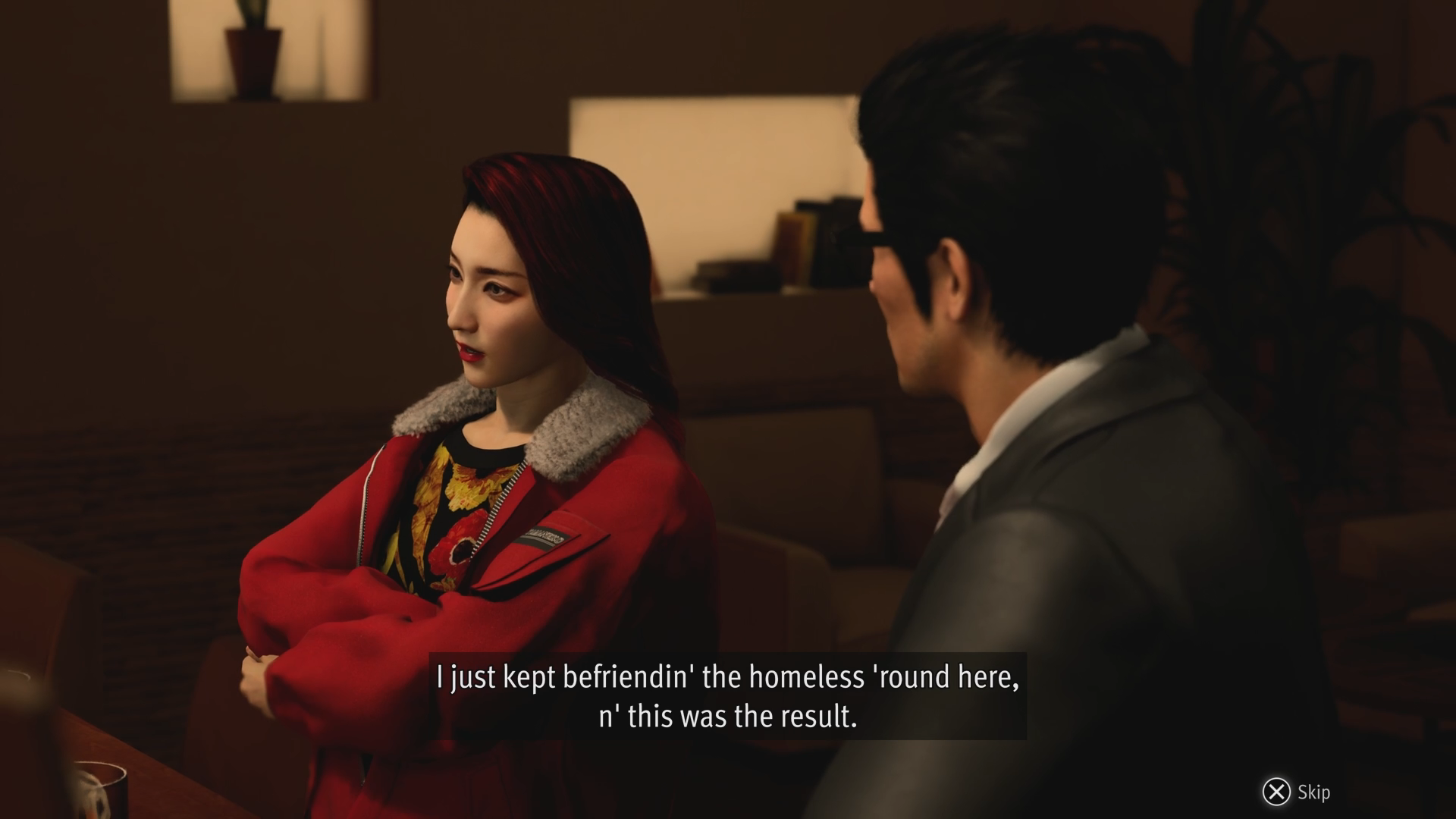

Like a Dragon Gaiden: The Man Who Erased His Name (it’s still a mouthful) is an interesting title with a rickety foundation to stand on. The start of the game is incredibly slow and doesn’t do enough to hook you to the highest point the series has ever seen. It provides an interesting contrast between the incredibly solid, sometimes goofy writing and the tedium of forced side content. Throughout the initial chapters we get samples of intrigue as the pieces get moved around the chessboard, but are left starved for the next move as the game decides to sidetrack itself. I can’t help but feel that this was meant to pad the runtime of the game to fulfill a quota towards its audience, but it leaves the game feel disjointed for the first few hours. The gameplay is incredibly satisfying and some of the side content remains incredibly fun to engage with. I’d be remiss to neglect to shine a spotlight on Takaya Kuroda’s magnificent performance once again. Over the years of playing Kiryu, you can feel how he’s started to truly embody the character. The emotional climax to the game is one of the best voice performances I’ve ever had the pleasure to witness and that’s with nearly two decades of Yakuza games backing it up. If the Gaiden series of Like a Dragon continues, I hope to see more focused narratives where the story is short and center stage; incentivizing players to engage with the side content rather than this foie gras of filler that has been the core of this game. There is a lot of potential for some excellent storytelling present within the idea of these smaller games, but I’d prefer to see the entirety move in a precision strike of incredible writing, rather than the trip and stumble into the good part method shown in this game. If a story can turn me into a bog of blubber within the five to seven hours of story presented in The Man Who Erased His Name, I can’t wait to see what they can do with something more focused. For now, it’s the lowest the series has gotten and the highest it has ever soared.
A Fridge Drawing/10



Enjoying the review? Consider supporting TanookiChickenAttack with a coffee at;
https://ko-fi.com/tanookichickenattack

 TanookiChickenAttack