

2012 | Rebellion Developments | Playstation 3

During the era of the third Playstation and the 360 of Xbox, there were times where a hilariously overproduced trailer would completely sell me on a premise, especially when it’s set to the blazing guitars and rough vocals of one of my childhood favorite bands. Such is the case with the mesmerizing trailer for NeverDead. My initial experience with the game was, admittedly, not great. The first foray into this game was riddled with sudden ‘Game Over’ screens and lots of screaming from a heated gamer. Fast forward to 2024, and my quest to find good in the questionable, has led me back into the arms (torso attachment optional) of this game for a second round in the ring. A few controllers flinging across the room in the past wasn’t going to deter me from finding deep enjoyment (and equally deep frustration) in the interesting premises and heavily flawed executions of Konami’s dismemberment simulator, NeverDead!
NeverDead was developed by Rebellion, of Sniper Elite fame, in collaboration with Shinta Noriji, whom prior to this was heavily involved in the legendary Metal Gear Solid series. Noriji joined the team at Konami around the release of Policenauts, where he’d worked on porting the script for the Playstation version of the game, released in 1996. After this he’d see his first role as director for the phenomenal 2000’s Game Boy Color game; Metal Gear Solid: Ghost Babel. From here he’d move through Metal Gear Solid 2 and 3 as script writer and map designer respectively, before getting another shot at the director’s seat with the card based PSP spin-off Metal Gear Ac!d (because acid melts solid into a liquid, get it?) and its sequel Ac!d². In an effort to break into the Western market, Konami hired Rebellion to work on a brand new IP under the management of Shinta Nojiri and part of the Metal Gear Ac!d team. From this collaboration came a game about an immortal man on a 500 year old quest for vengeance, in the gun wielding, limb tearing NeverDead. The game would release to a less than warm welcome in early 2012, with absolutely scathing reviews criticizing the chaotic feel of the game and its lackluster performance. Despite the promotion material for the game being absolutely fantastic and corny, featuring a (then) brand-new song by the band Megadeth, the follow-up leading up to its release left a lot to be desired. Whether it was the rather hostile method of interviewing Shinta Nojiri, or Konami straight up refusing to allocate any marketing budget to the game, I can’t say for certain. But what I can say is that this, alongside the poor review scores, doomed the game to early obscurity, leaving only whispers in shadows as a legacy. So, is this game really as terrible as its reputation suggests? No, but there are a few strings attached.
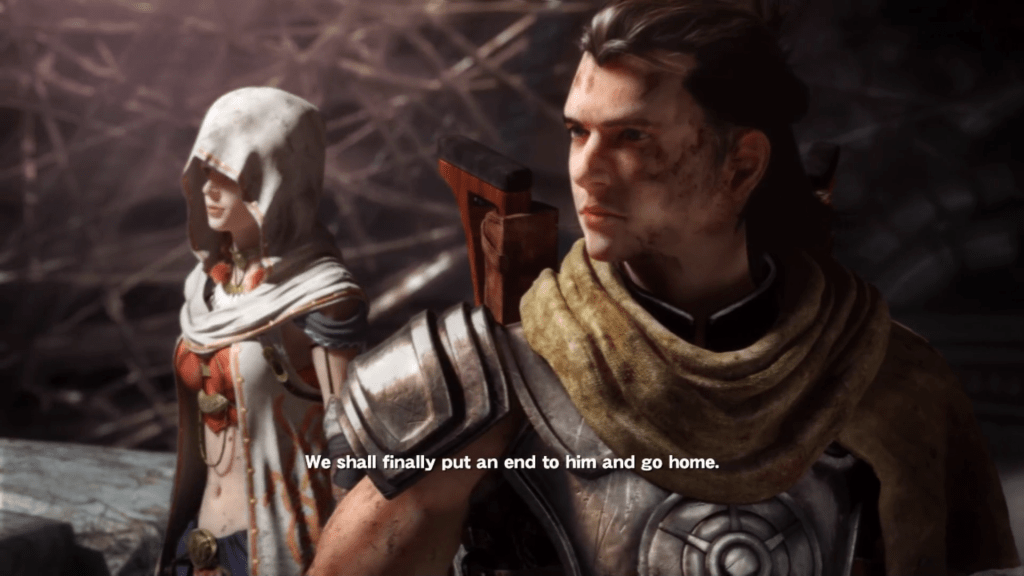
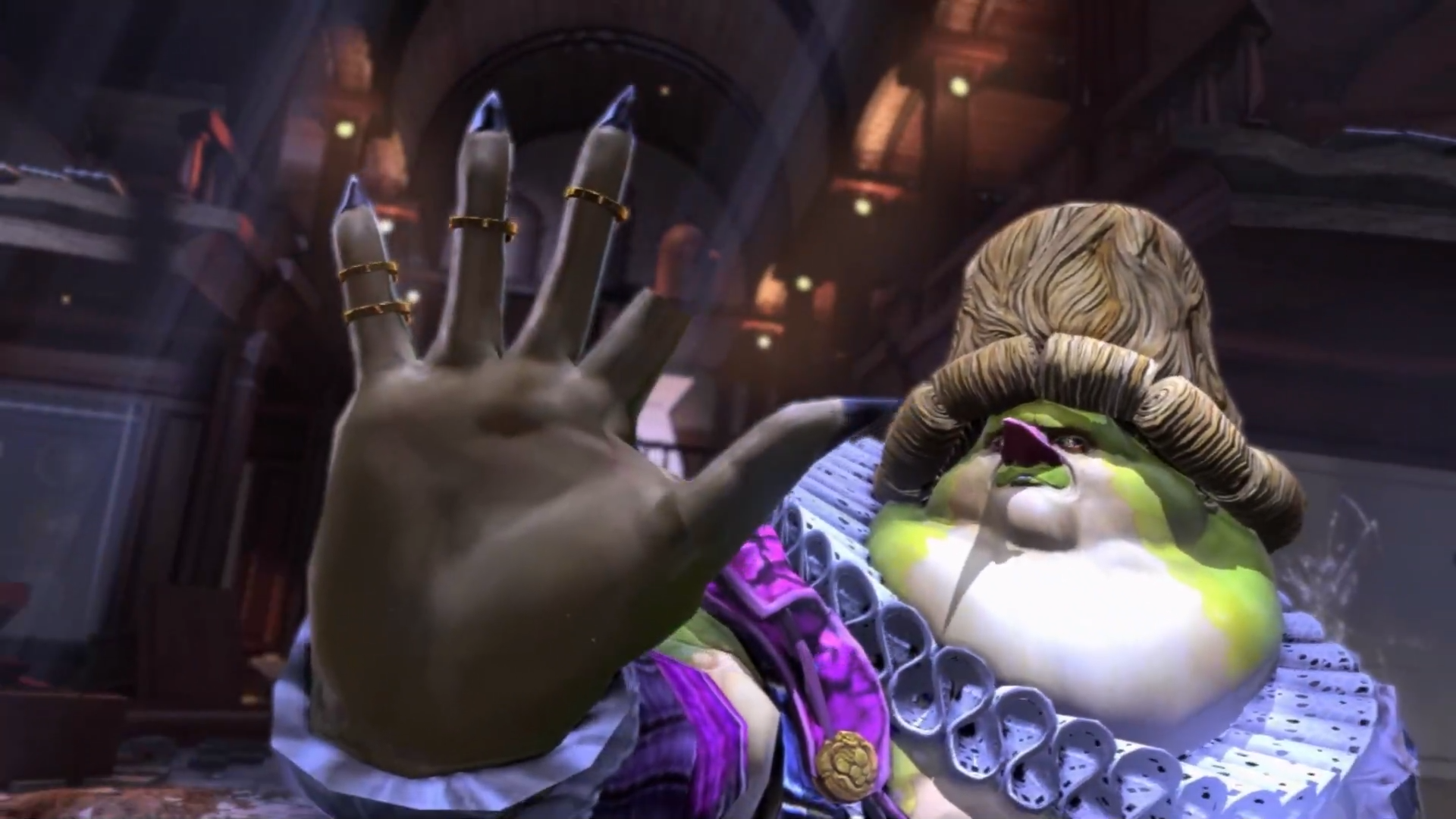
NeverDead puts us in the shoes of Bryce Boltzman, a 500 year old demon hunter cursed with immortality. After the demon king, Asteroth, brutally murdered his wife in front of him, the demon took profound pleasure in the idea that Bryce would have to live with that knowledge forever. So, the demon king replaced his eye with a curse that made Bryce immortal. With the promise of revenge firm in his grasp, Bryce proceeded to live the next 500 years trying to find a way to defeat Asteroth once and for all. NeverDead takes a very cynical approach to the concept and introduces the modern day Bryce as a jaded champion of apathy, whose vernacular mostly consists of corny jokes and jabs. Nowadays he works for NADA, the National Anti Demon Agency, under management of Arcadia Maximille. Together they covertly dispatch of small demon infestations, but these seem to be getting worse by the day. During one of their investigations at a museum, Bryce encounters the pop idol Nikki Summerfield, the first medium in 500 years. The three of them set out on a quest to unravel a plot to reawaken the demon king from his long slumber, and to finally put a stop to Asteroth’s reign. The game doesn’t really elaborate as to why kings of demons need to hibernate, but we’re rolling with it for now. Along the way they face off against demonic puppies, a metal pig, a pectoral muscle on legs and a sentient police station. It’s a wild rollercoaster that puts the action first and leaves the story disjointed. Most of the story is played out through rapid flashbacks and weird cuts to the past. This leaves the game’s narrative feeling somewhat messy until you actually get to the end of the game, with most of the lore hidden behind collectables and the expository dialogue in the final stage.
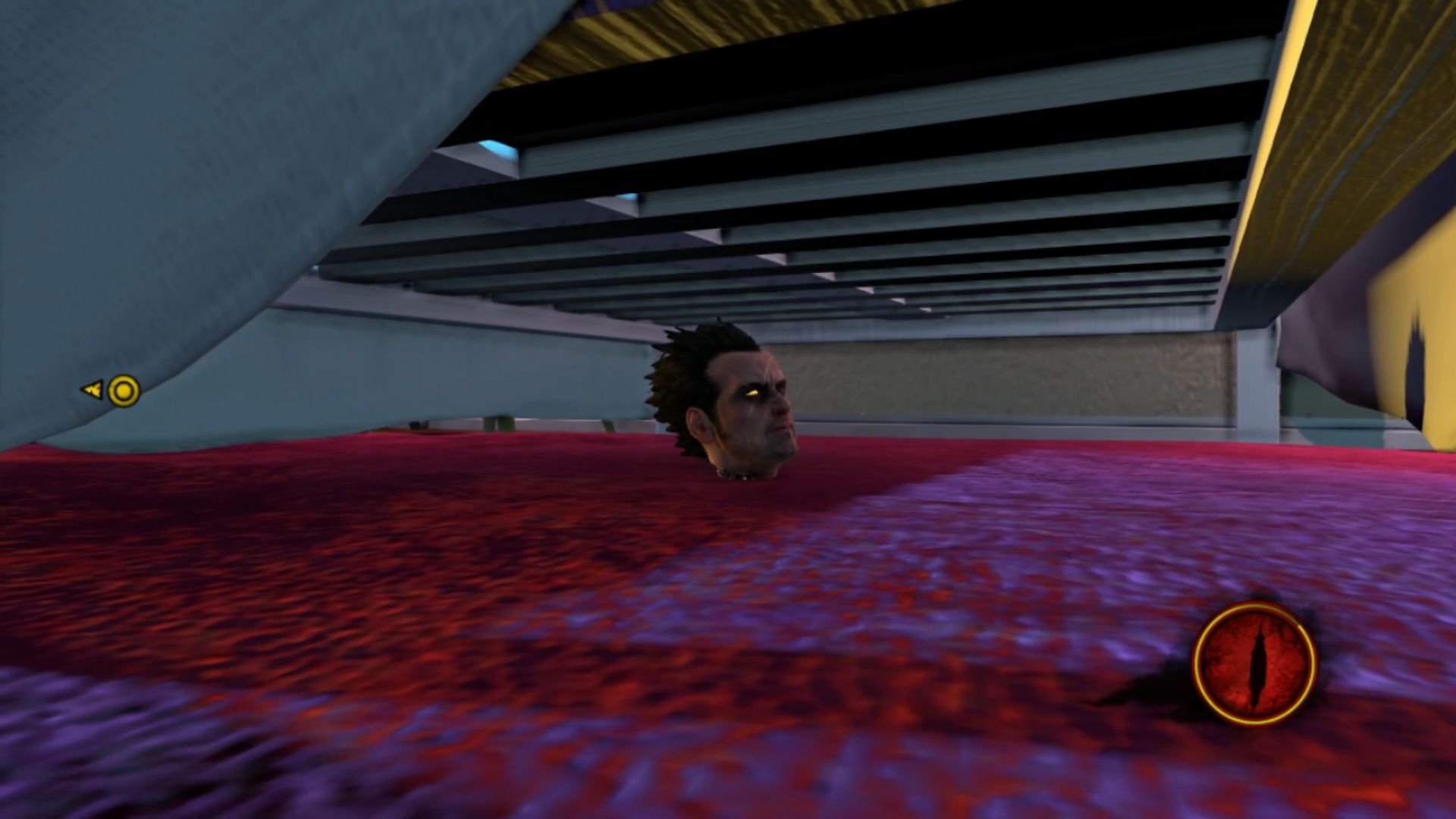
The game is a bit of a mixed bag of incredibly fun concepts executed with questionable intent, and your tolerance towards that is going to define your enjoyment of NeverDead. One of the core mechanics behind the game is its dismemberment system that allows you to detach, reattach and regrow limbs at your own leisure, or through assisted means of a demon blade to the neck. As such, you’ll frequently find your appendages flailing about in places that aren’t on the body. The game does some incredible things with this; for one, you can still use your arms when they’re torn off, which leads to rogue limbs flailing like fish on land as the recoil of your guns send them flopping all over the place. You can also detach your head and snap your arms on your ears to become the worlds most lethal Beyblade! This mechanic does come as a double edge sword as enemies will frequently, and easily, provide assisted and involuntary changes to the amount of limbs you have attached. Once you’re reduced to a head, you’re left vulnerable to the menacing vacuum cleaners, the Grandbabies, who waste no time trying to grab early lunch. While you can’t die, should you fail the quick time event, you’re treated to an immediate game over screen. The idea is that Bryce’s head remains stuck in the creature’s digestive tract instead of returning to its body. This in combination with some ill targeted bites and slashes from enemies can lead to a quick series of game over’s without getting time to adjust.
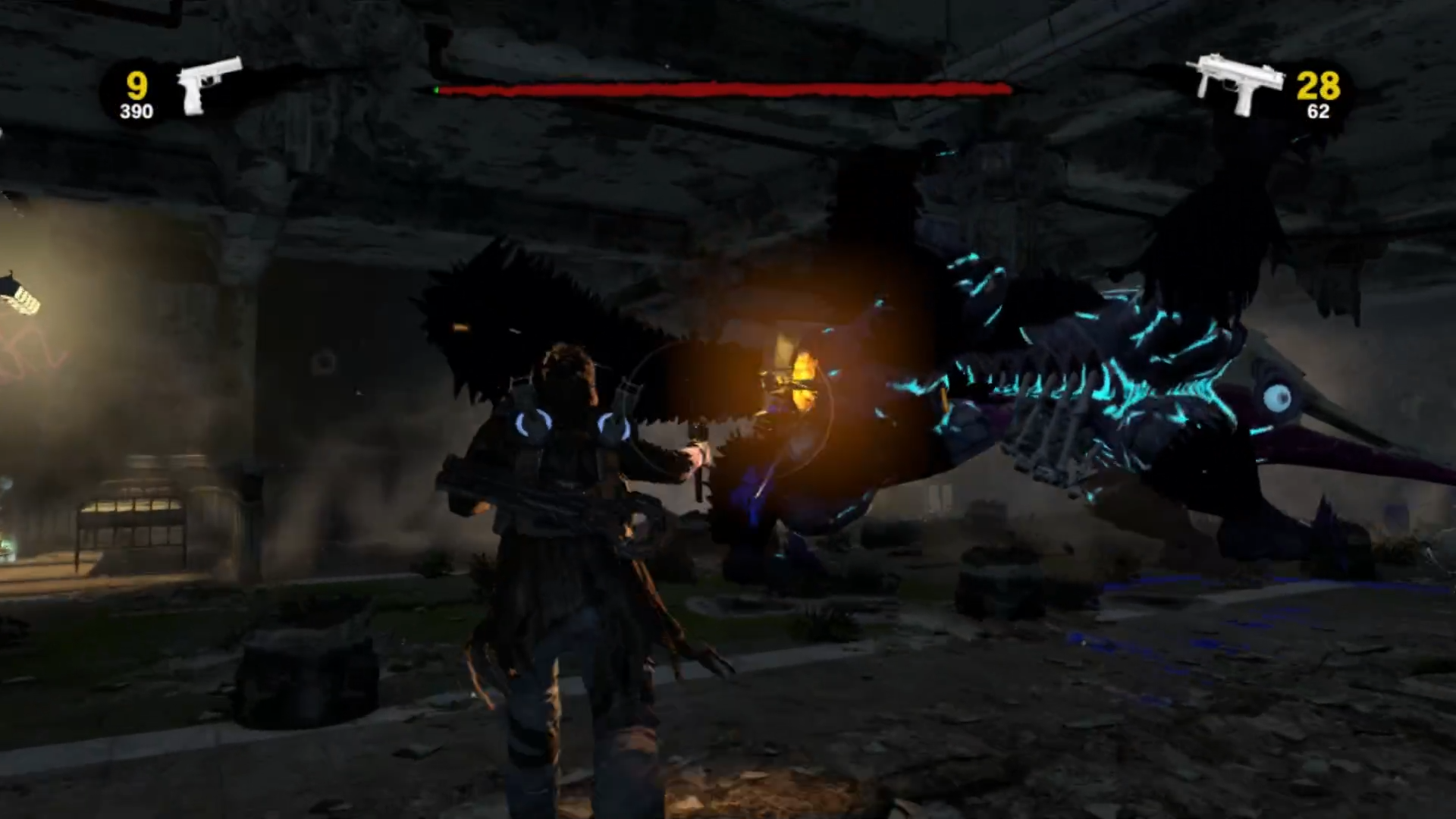
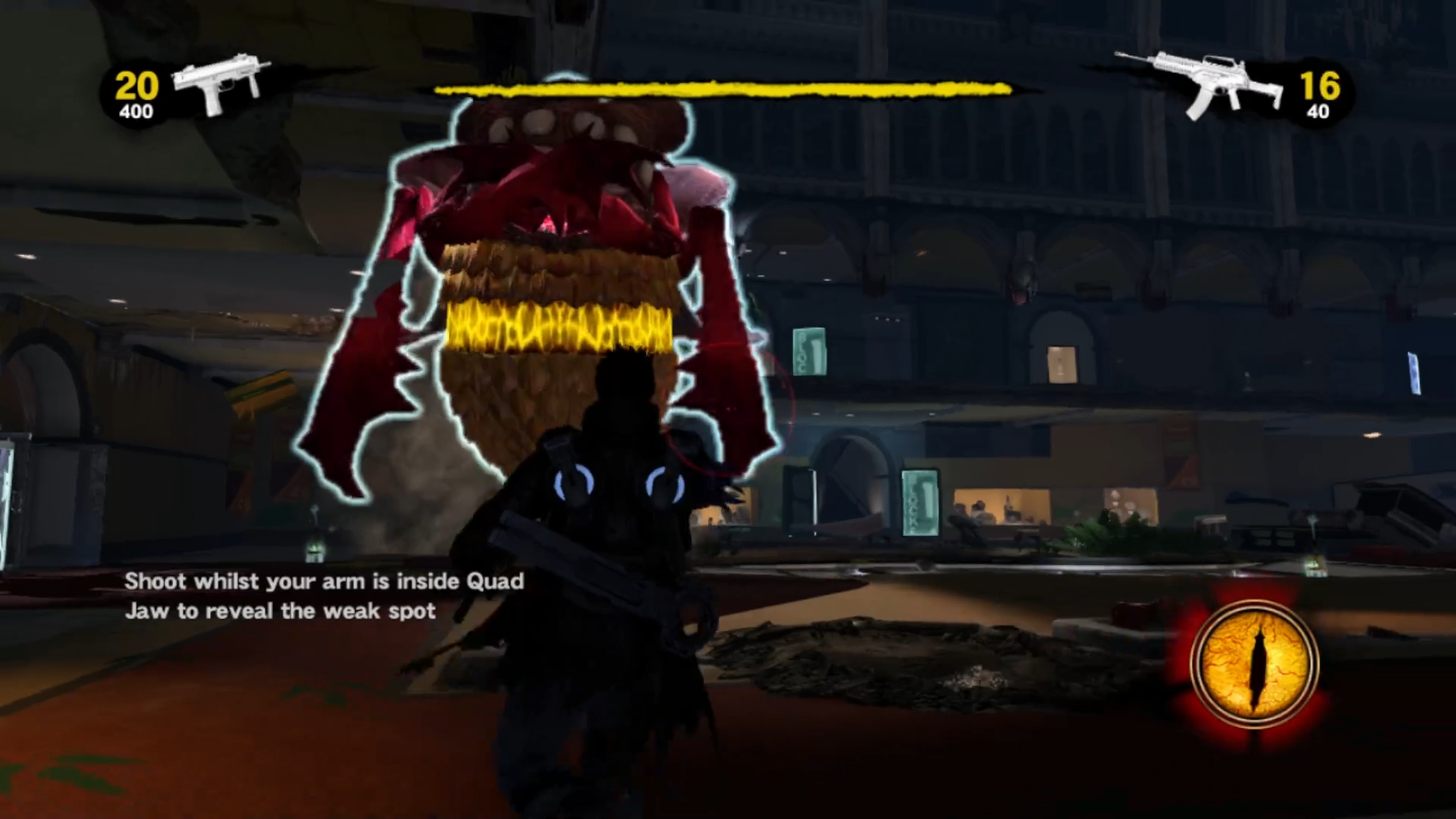
While the dismemberment mechanic is an utterly brilliant concept, it leaves a lot to be desired with its implementation. It’s generally used as a combat mechanic and sometimes used to solve a few puzzles, or roll your head down a vent. The game does give a taste of just how much fun this mechanic can be during the second stage boss fight. In this fight you face off against a giant gnat shaped demon that sucks up everything in its surroundings. While the outside may be impervious to bullets, the inside is soft and squishy (and lead receptible). So you rip your own arm off, loaded with the heaviest of machine guns, and give the good boy a treat, after which your perforate his insides for some extra ventilation. It’s one of the rare moments where this mechanic truly feels at home and I wish they’d explore it a little deeper. Though, later in the game, you get an upgrade that allows you to explode your arms after throwing them, which is simply the best. NeverDead constantly strives to push its conceptual puzzles to the forefront, but fails to fully commit to the execution. This leads to a somewhat disjointed feeling juxtaposition between the intent and the actual gameplay you’re interacting with. As a result, a lot of the game feels like it plays it a bit too safe with a few cool things left on the table for you to interact with, but not too much please.
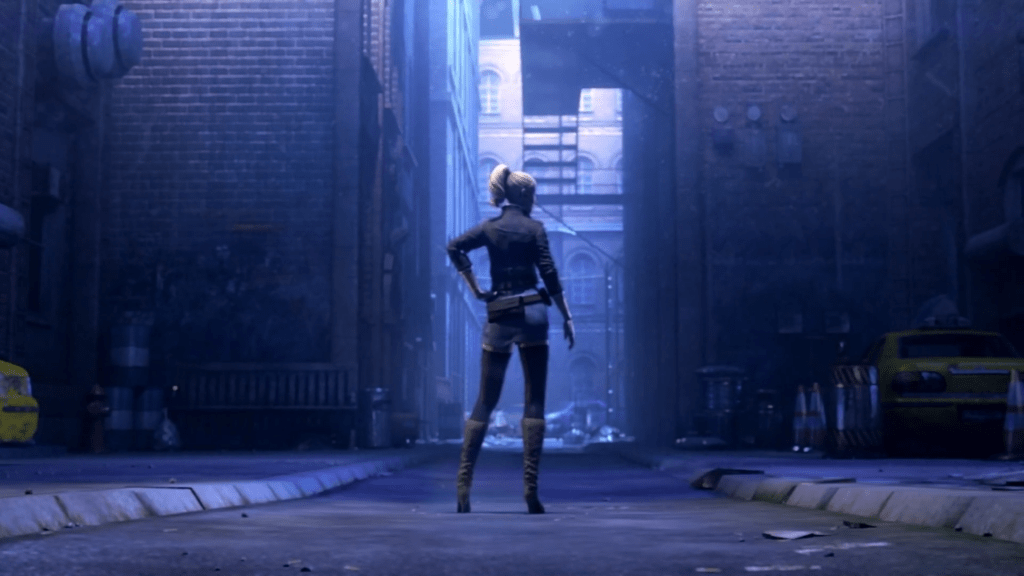
NeverDead is mostly a third-person shooter, with some melee combat implemented for extra flavor. Throughout most of the game you’ll be running from arena to arena to evict the demon locals from existence with very persuasive lead hurled at them at high velocity. Every once in a while you’ll encounter a particularly sturdy demon that is impervious to bullets and this is where the sword comes into play. In similar fashion to the original Monster Hunter, or Metal Gear: Rising, you fling your sword around with the right analog stick instead of a face button, when you’re in sword stance. While flailing around is certainly an option, the game rewards you for more controlled swings that deal extra damage. It does add a bit more strategizing to the combat, but regardless I found myself wildly flinging the sword around in a state of panic on most occasions. Throughout the game you’ll earn experience points, which can be redeemed for new skills, attacks and passive bonuses to help you on your quest for vengeance. Each of these upgrades takes up a certain amount of equipment slots, which can also be expanded upon. This allows for some modicum of customizability to tweak the playthrough to your playstyle a bit more, but don’t expect too much impact outside of cooldown reduction and larger quantities of bullets per clip. The only one that I found truly worth investing in is an upgrade that lets you rip your own arm off and have it explode like a grenade. It’s incredibly funny to see the Grandbabies fight over this tasty morsel, only for it to, quite literally, blow up in their non-existent faces.
Despite being exceptionally chaotic, NeverDead is fun in a way that you can only get from a game that released on these particular systems, with the wonky collisions leading the charge as you roll your head around the stage with the reckless abandon of a pinball machine on crack. This got quite a few chuckles out of me, but also leads to a certain lack of control over the character that can be very frustrating to deal with. This is especially noticeable during the final confrontation against Astoroth, which requires some rapid precision platforming. Most of the time Bryce will simply dry-hump the elevated platforms instead of jumping on them, leading to another rather long cycle to try again. While most of the game is incredibly satisfying to go through once you’re used to the chaos, the bosses are extremely hit or miss. Some of them are huge bullet sponges with not enough moves to keep the fight interesting from start to finish. But most of them are just you shooting the weak spots, usually the rear, until the health bar is done for. There are a few exceptions that shed some more light on the desire to approach the game from a puzzle type angle. These fights stand out amongst the rest like a mountain compared to pebbles, and it’s a real shame that they didn’t, or couldn’t, fully commit to this premise. NeverDead makes up for it with excellent destructible environments to toy around with. The game rewards you for paying attention to your surroundings, ranging from gas cannisters to being able to pull the entire roof down on someone’s head. Despite feeling somewhat floaty, the combat is rather satisfying in a quantity over quality kind of way. Mowing down hordes of demons with a single clip is never not satisfying.
All in all, I feel that the reputation that NeverDead has is greatly exaggerated. It’s definitely not the most polished experience, and the ideas it has aren’t fully fleshed out. But what is there is a rather unique take on the third person shooter genre that allows for a lot of fun and creative approaches. The soundtrack is one of the highlights, with one of my favorite childhood bands providing music. It gives the game a good backbone to build on, and in most cases it does. However, for everything that I like about a game, the monkey paw curls evermore, and it becomes equally as frustrating. I frequently found myself struggling more with the environment than the enemies, and sometimes you’ll find yourself decapitated multiple times in a row. While the chaos is a large part of why I enjoy this game, it can lead to some very unpleasant moments of powerlessness. NeverDead is a wild and enjoyable game that does require a deep tolerance for the ways of the jank in order to be fully appreciated. It’s definitely worth a try, but be warned for the wonkiness ahead. I’m a bit on the fence on recommending this one, but I can safely say that I had a great time with NeverDead!
Heads will roll/10

Enjoying the review? Consider supporting TanookiChickenAttack with a coffee at;
https://ko-fi.com/tanookichickenattack

 TanookiChickenAttack