
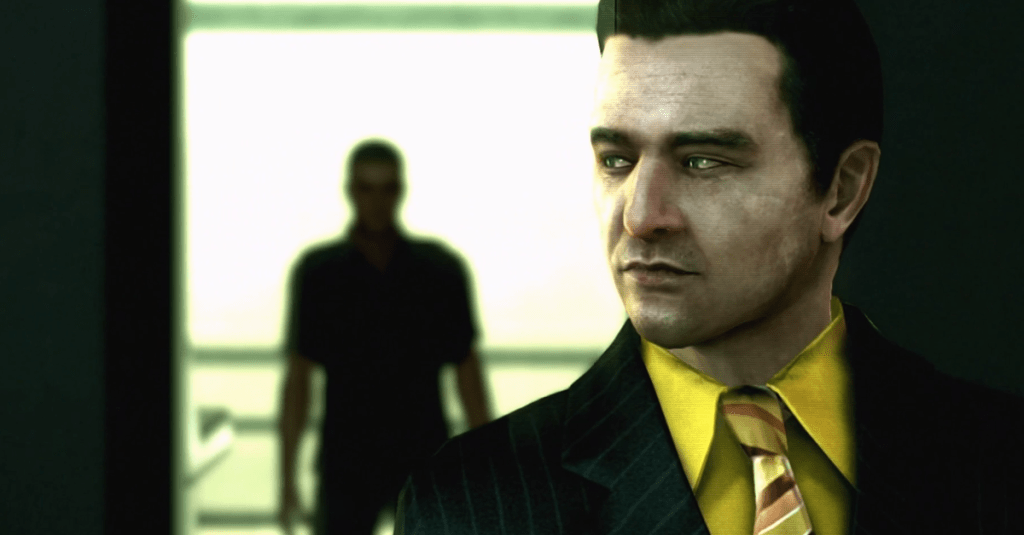
2010 | Obsidian Entertainment | Playstation 3
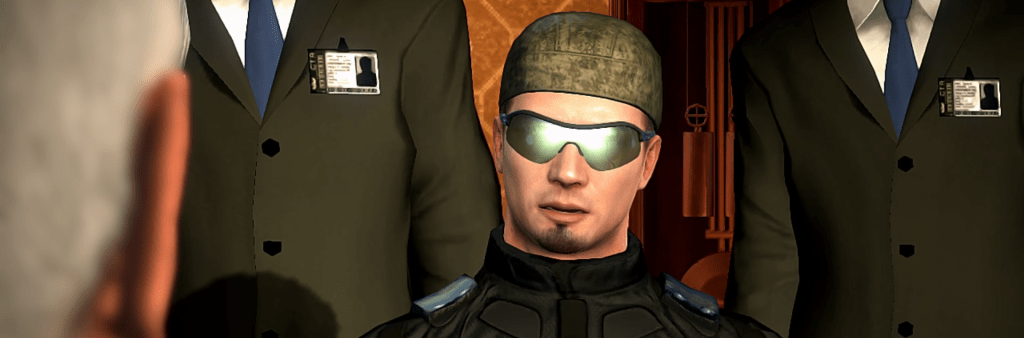
There is something truly special about the ways that RPG mechanics can get incorporated into other genres. With the original release of Alpha Protocol I found myself both extremely enamored and equal levels of frustrated. I really enjoyed the game, don’t get me wrong, but it had to fight up against the smooth and responsive stealth action from Metal Gear Solid 4: Guns of the Patriots that released two years prior. There have been a few people extremely dedicated in their requests for a new playthrough of Alpha Protocol for the stream, and at this point I ran out of excuses. As luck would have it the GOG version of Alpha Protocol released around the same time as the on-stream playthrough, bringing the game back from digital oblivion and making it available for people to play on PC. I’m glad to say that my initial frustrations with the game were dead wrong. There’s still a lot of jank, but underneath is a deeply intriguing concept that makes you feel like a master spy!
Brought to you by the color Obsidian
Obsidian Entertainment was founded in 2003 by Feagus Urquhart, Chris Parker, Darren Monahan, Chris Jones and Chris Avallone, shortly before financial difficulties caused Interplay Entertainment to shut down the legendary Black Isle Studios. With a catalog of some of the most legendary CRPG’s such as; Planescape: Torment, Fallout and Icewind Dale, the team, largely comprised of former Black Isle Studios developers started work on a sequel to Bioware’s Star Wars: Knights of the Old Republic. Knights of the Old Republic II would expand upon the systems of the original and continue its story-line, however the game was developed in too short of a timeline for it to be fully realized. The tight deadline of roughly 16 months scrapped a whole year off of the projected development time, and Obsidian, under own admission, overextended, not cutting enough ideas out of the game to focus on finishing it. Despite the game releasing in a relatively unfinished state ( noticeable in the third act of the game), it was received with numerous Game of the Year award and now enjoys its status as a cult classic. The team at Obsidian Entertainment enjoyed a brief foray back into the realm of Dungeons & Dragons as the collaboration between them and BioWare continued in Neverwinter Nights 2. The game would release in 2006 and became a strong contender for one of the most popular RPG’s of the year alongside Bethesda’s The Elder Scrolls IV: Oblivion.
During the final stretches of Neverwinter Nights 2’s development, Sega approached Obsidian Entertainment about a potential new IP. Obsidian was working on a prequel RPG for Snow White and the Seven Dwarves at the time, simply titles Dwarfs, and didn’t have the capacity to take on another project. However, after the cancellation of the project, the team moved on to work on Alpha Protocol. Due to the financial hit that Obsidian took from the cancellation of the previous project, and to avoid having to lay off staff, the rights were given to Sega for the upcoming game. The development for the spy RPG was tumultuous, with the team struggling to find a good starting point to bounce off of. However, after two years of slow development and a cancelled Aliens game, Chris Parker stepped up as the project’s director, with Chris Avallone as the lead designer. From here the game started to take shape and in was unveiled to the public in March 2008. The original release date of October 2009 was missed by a few months and in May 2010 Alpha Protocol finally saw its release. While the game immediately developed a cult following, the critical reception was mixed to say the least. This is likely due to the game presenting itself as a stealth action shooter, instead of the RPG it actually is. The dialogue system received universal praise and is to this day the contender for best dialogue system in a video game.
Paging Agent Thorton
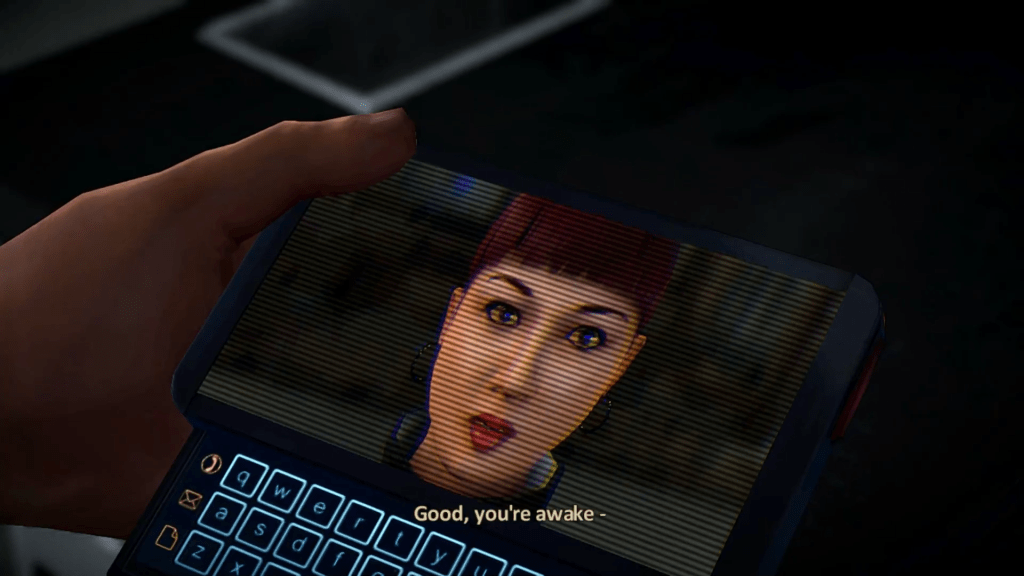
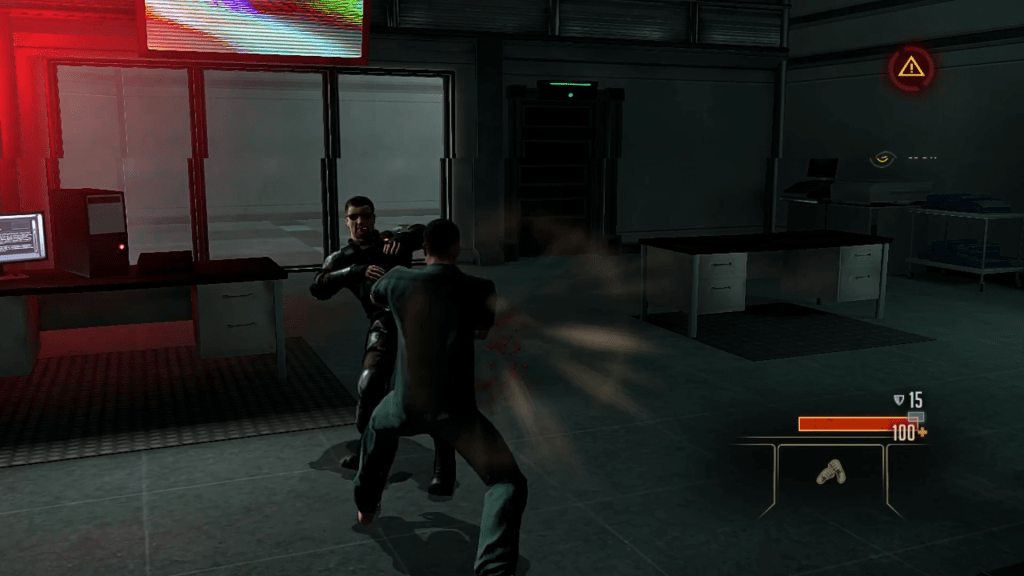
Alpha Protocol follows Michael Thorton, the newest recruit of the clandestine organization by the same name. After waking up in an unknown laboratory, Thorton tries to find a way out of the facility that he is held in. After overpowering a few guards and making your way to a central hallway it is revealed that this was a test to see if Thorton was as capable as his player generated resume suggests. The organization itself is a highly classified black ops operation that works for the highest level of the US Government, but operates off the book. Agents within the organization are of the highest caliber, including former black ops operatives and CIA agents. Upon passing the test, agent Thorton is now assigned to investigate the connection between Al-Samad, a terrorist organization, and the American made missiles that were used to shoot down a commercial airliner, as well as the assassination of its leader, Ali Shaheed. From the initial steps in this first mission one of the best mechanics of the game immediately gets to take the spotlight; Alpha Protocol’s conversation system!
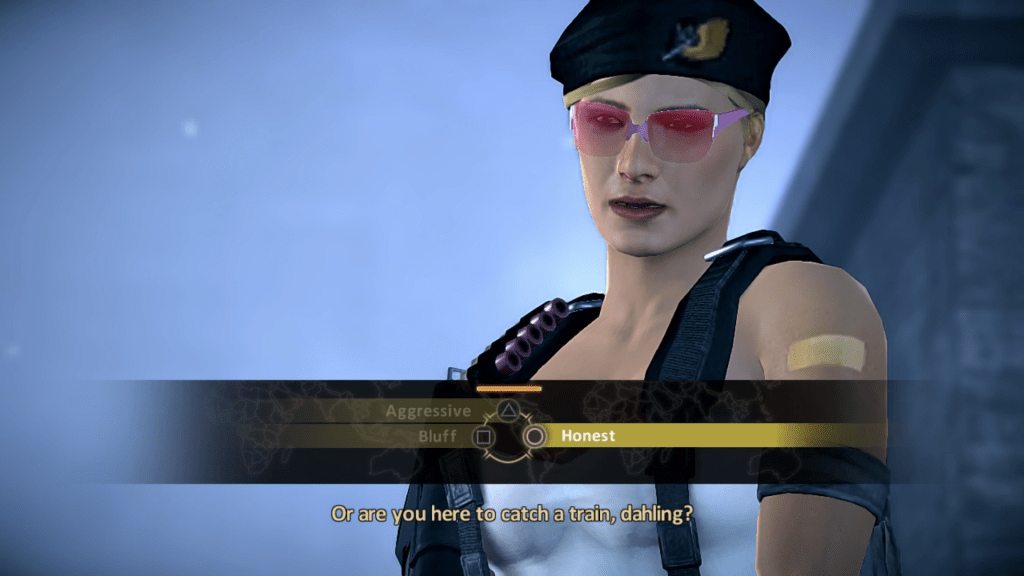
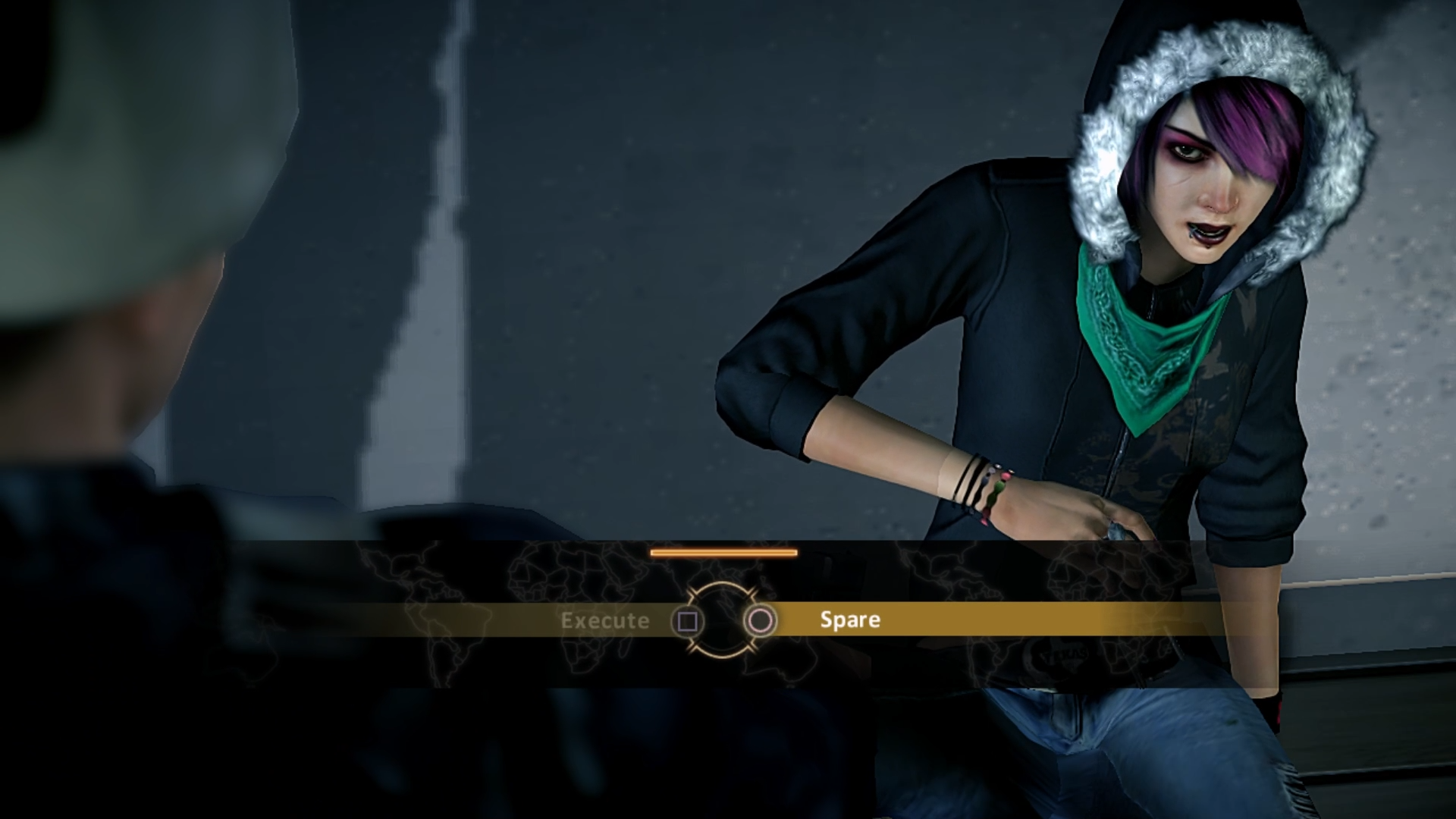
During the briefing you’re assigned a handler, Mina Tang, and throughout this briefing you can choose how to approach the conversation through different stances or attitudes. Suave presents Thorton as charismatic or flirtatious, Professional keeps you on mission, strictly business, and Aggressive brings out the fists and screaming contests. By dividing the conversational reactions into different contextual groups, it allows the game to present a masterful amount of freedom to decide how you want to approach the situation. You can play an entire playthrough as a smooth talker, or you can be a master manipulator and be the person best suited for the conversation you’re having. It takes away the direct reactions to give you more freedom to “feel” out the situation, instead of immediately retorting. This system is one of the best aspects of the game and makes it so much more enjoyable to replay.
Unraveling the conspiracy
After cornering Shaheed he reveals that he has been working with Halbech, one of the leading US defense contractors, who provided him with the missiles that took down the plane. Here you’re faced with the choice of neutralizing Shaheed, or befriending him to get more intel. With the outcome of choice now set in stone, Mina warns Thorton that his location has been compromised and that Halbech missiles are about to strike. Thorton narrowly survives the impact and is presumed dead by the organization. The intel Shaheed gave Thorton points you to three places of interest; Moscow, where the weapons were being shipped, Taipei, where an assassination plot to kill the president is about to unfold, and Rome, where an Al-Samad cell was recently activated. From here you get to freely pick which place you go to, each with its own story and missions to accomplish. With these places now marked its up to you to prevent Halbech from further destabilizing world peace and causing a new Cold War to happen, potentially even World War III. Each story adds a new layer to the overarching plot and thickens it with new layers, ultimately leading up to a confrontation with the big bad evil corporation and the prevention of nuclear annihilation.
It almost feels wrong to accuse a game that does so much with its conversational mechanics to enhance the story, but I do feel like the game doesn’t go far enough with it. While most of the game is centered around manipulation and conversational strategies to navigate your way through encounters, most of the narrative is as straight forward as it gets. The twists and turns that the story takes with the betrayal of certain characters, or who the big bad is are placed on the table for everyone to see from the moment they get introduced. There could’ve been a deeply compelling turn of events here where you could actually get the information by successfully manipulating people and thusly unraveling the plot well in advance. Instead, Alpha Protocol constantly flashes forward to an interrogation sequence to introduce is narrative thread. We know who Thorton is talking to, we know his plans, and all we had to do was advance a dialogue box. That’s not to discredit the story itself, however. Alpha Protocol takes a lot of notes from Mission: Impossible and James Bond with its super spy angle, and the whole game you do feel like an unstoppable master puppeteer. It’s more that the story itself doesn’t mesh with the mechanics of the game, creating a somewhat stale feeling payoff to the work you put into these conversations. The game is a rollercoaster of layers and tension, but it fails to completely commit to the premise. Admittedly, though, this would’ve been a nigh impossible task to realize.
Shots at the roll of a dice
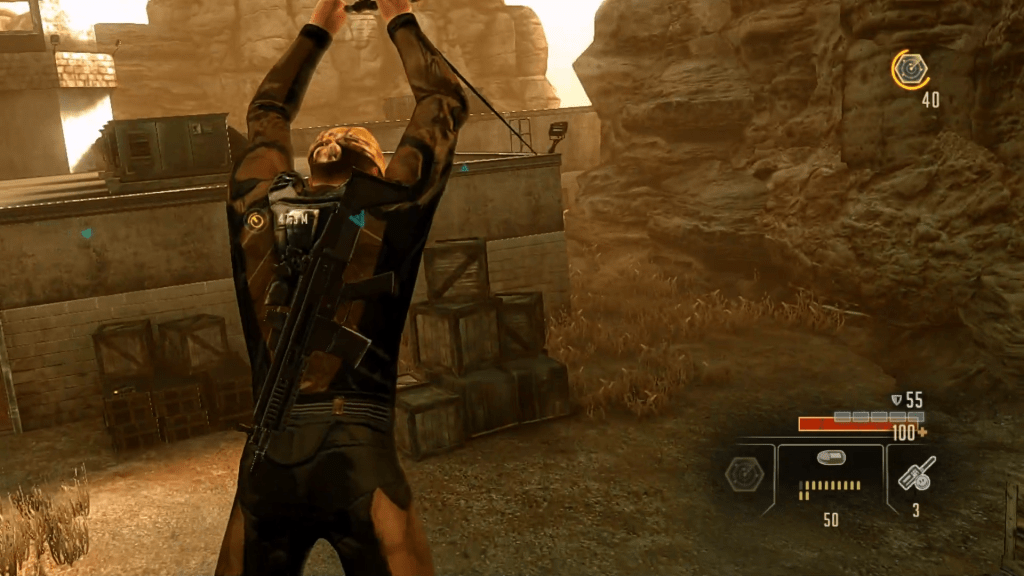
Alpha Protocol may present itself as a third person shooter with stealth elements, but at its heart it’s an RPG. When you start the game you get to pick your agent history, which determines your starting specializations. You can either choose between the predetermined Soldier, Field Agent, Tech Specialist or Freelancer. Each of these classes lean towards a specific playstyle with Freelancer giving you a hefty amount of points to create your own agent. The Soldier is a combat focused operative that specializes in firearms and close quarter combat, the type of agent that goes in shooting before asking questions. The Field Agent is a black ops specialist specialized in subterfuge and obfuscation, primarily focusing on silently infiltrating enemy compounds. The Tech Specialist centers around using the power of technology against your enemies, manipulating camera footage, infiltrating servers to steal your browser history. This class’ initial focus is on gadgets and other tech. The Freelancer is a jack of all trades that can be freely molded into whatever you want him to be. For the people that like a good challenge, there is the Recruit class. This basically is a blank slate where each skill point has to be earned. You start of as a complete blank slate.
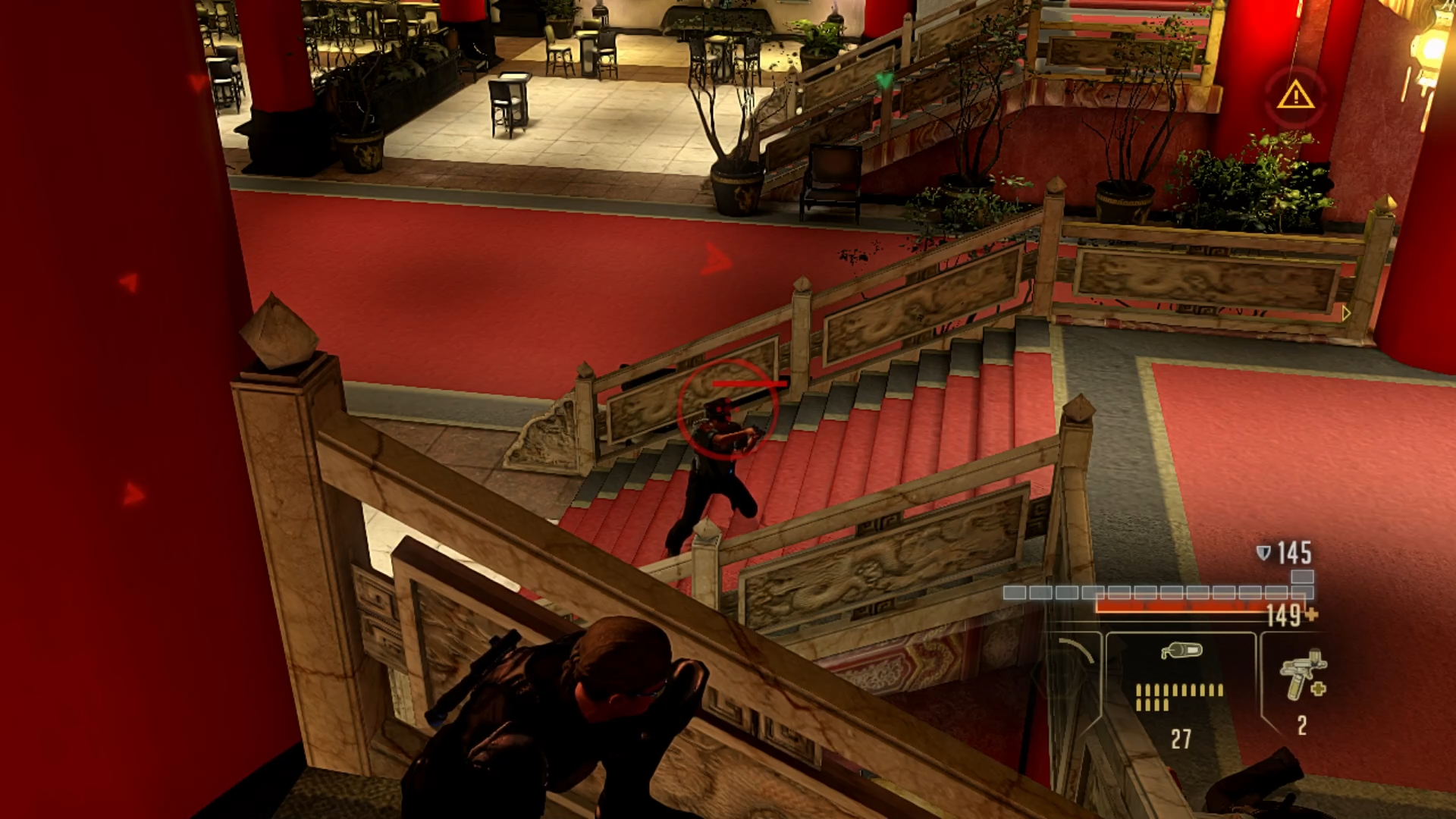
This isn’t to say that classes can’t be changed over the course of the game. In the skill menu you can invest points in different areas to become more proficient at them. A Tech Specialist may start off as nothing but a drone operator, but you can teach him the ways of the sniper just as well as the Soldier. Each skill can be upgraded to rank 15, with new abilities being unlocked at certain intervals, indicated by a small triangle. The higher ranks are initially locked, but as your agent levels up you also unlock new ranks to invest into. This does bleed over into the shooting mechanics as well. Your proficiency with certain weapons will dictate how accurate you are with said weapons. Gunplay is divided into the standard point and shoot, accompanied by a hidden dice roll versus your skill level to determine whether a shot actually hits or not. It’s not unheard of for shooters with RPG mechanics to do this, however Alpha Protocol doesn’t convey this properly to the player in its opening segments. This can lead to some frustration on the players side, since you can miss targets point blank even when aiming at them if you don’t have points in the corresponding skill. You can influence the accuracy of a shot by crouching and standing still, but the rest will still be a roll of the dice. It’s a somewhat unnatural feeling process at first, however I found myself quickly adapting to this, and investing in the skills I needed to compliment my playstyle.
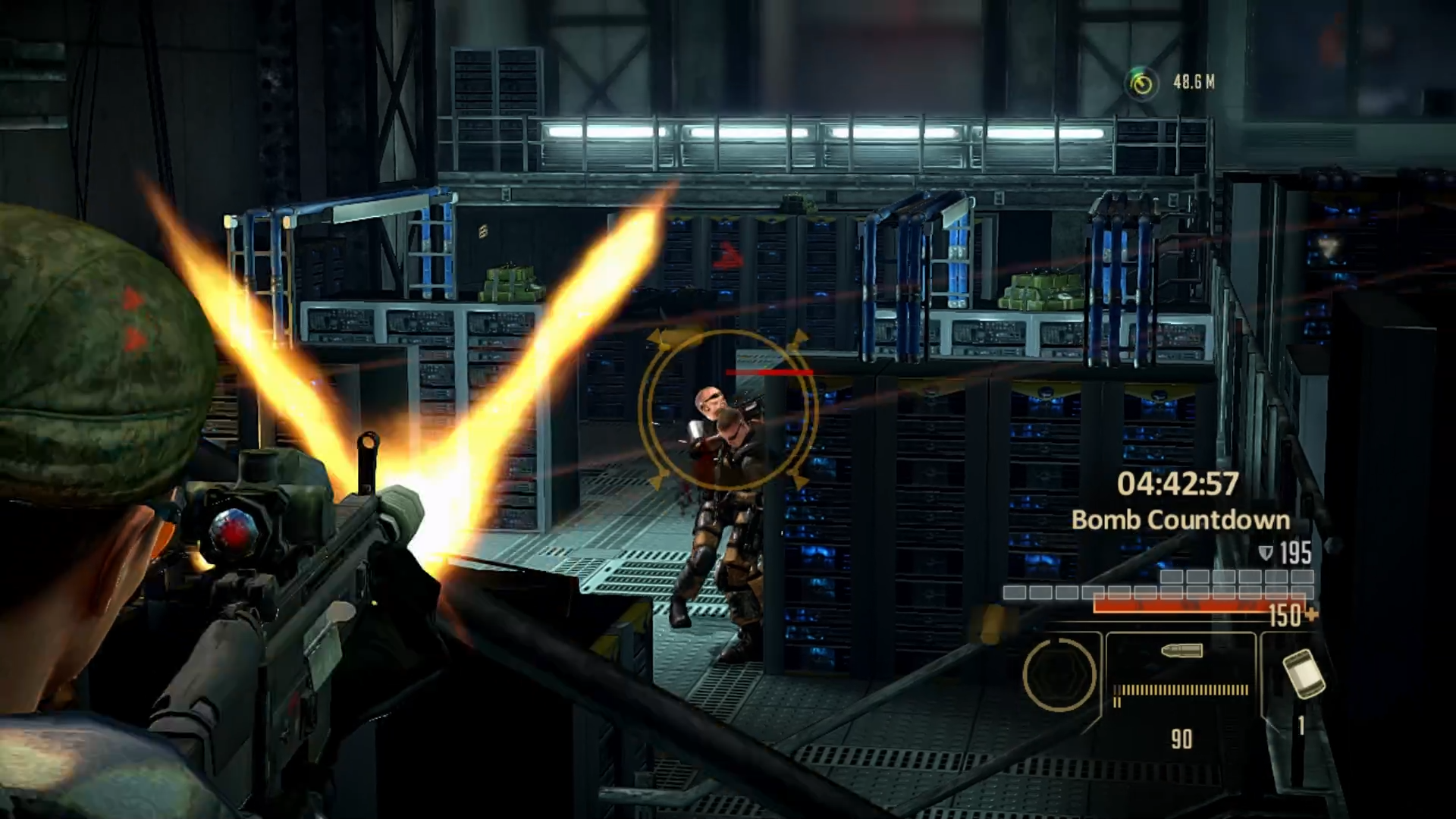
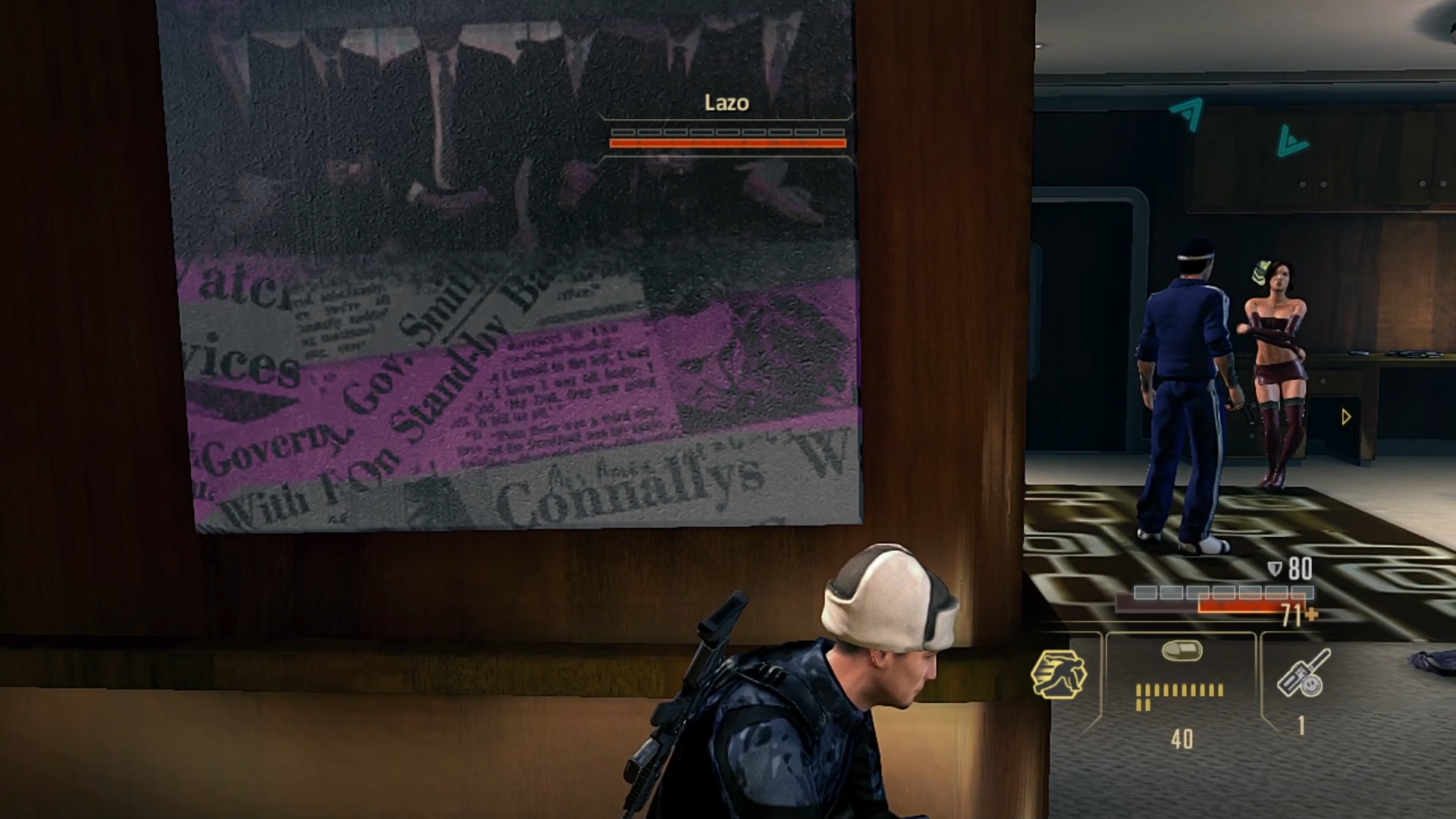
The game has a free flow to most of its content, with a few exceptions. Throughout the game the game you’ll encounter a few bosses, and unless you’re following a specific path through the conversations you have with them, you’ll have to trade lead. The boss fights can be a very make or break experience, depending on what skills you’ve invested in. It’s hard to deal damage if your super spy can’t hit the broad side of a barn at point blank range after all. You can talk your way out of most encounters if you feel that you’re not prepared for any intense combat, but this may lead you down some very important story choices you may not want to make. However, this is also a part where Alpha Protocol’s reputation for being somewhat unstable saves the day. One of the confrontations in the museum can be completely locked down by standing on the right side and performing back to back headshots. Granted, I invested quite a few points into pistol at that point, so performing critical hits was a lot easier. This locked the boss into a stagger animation that could be repeated ad infinitum. Not the most elegant way to solve a problem for the game, but at least it was funny.
Diamond in the rough
Alpha Protocol is an absolutely brilliant game in concept that may have needed a few tweaks here and there to really push the idea to its limits. On the one hand it’s a masterful espionage game that makes you feel like a manipulating mastermind, but on the other hand there are a few points that completely grind the enjoyment to a halt if you’re looking for certain outcomes in the story. It’s dialogue system brilliantly allows you to navigate your way through the story in any way you want, through its contextual stances. This immersed me deeply into the world of Alpha Protocol. There were a few moments were my gut instincts guided me through segments only to be rewarded with the gamble I made in a game changing way. Seemingly insignificant details ripple great narrative consequences through the game, and picking up on those is incredibly rewarding.
The plot itself is good, but I wish they wouldn’t have been so on the nose with it. Using flashbacks as a narrative tool to allow players to form their own story is a decent idea, The Witcher 2 did this with exquisite elegance. However, Alpha Protocol relies a lot on twists and turns to keep the player on their toes. It doesn’t detract from the story, but it does deflate the surprise by a significant margin. The gameplay took some getting used to, and even when I had a pretty powerful build going for Thorton, most bosses would effortlessly eradicate his existence within seconds. This part of the game just doesn’t feel good. For a game that gives you so many options to work around confrontations it would’ve felt better to either have more options to avoid these fights, or a more balanced utilization of other skills. I would love to see some of these encounters done with just traps or using a security system against them. As it is though, Alpha Protocol stands in a very unique spot between stealth action and RPG, while boasting one of the most impressive dialogue systems I’ve seen to date. It’s a fun tribute to the spy genre, and provides a lot of content to navigate. It’s not the most intuitive games, but it is a game to get heavily invested in.
If you enjoyed this review consider picking the game up on GOG to support their efforts in preserving more games like Alpha Protocol (not sponsored, I just really want to support this endeavor).
I swear I hit that/10

TanookiChickenAttack is made possible by supporters on Ko-fi. If you enjoyed the review, consider becoming a supporter through https://ko-fi.com/tanookichickenattack

 TanookiChickenAttack