
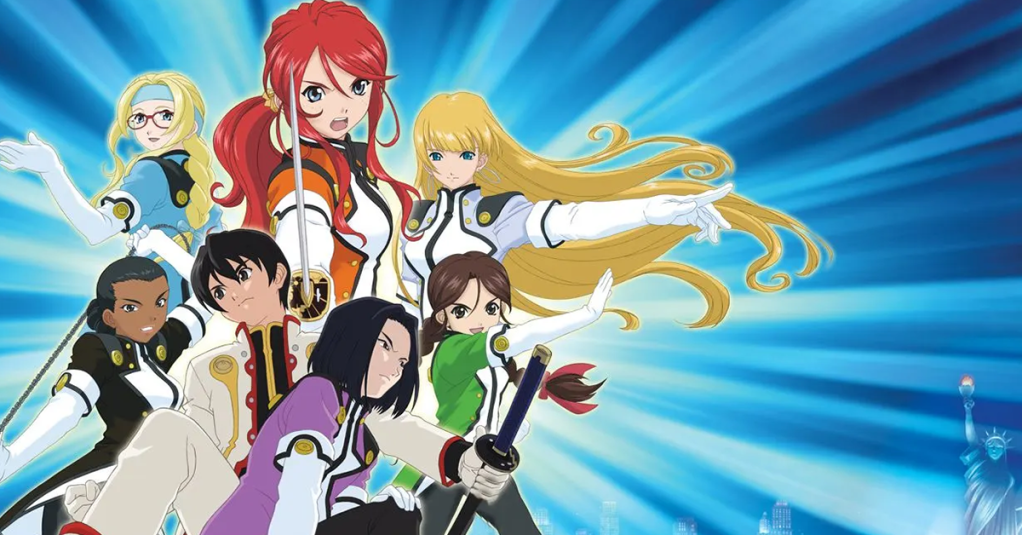
2010 | Red Entertainment | Playstation 2
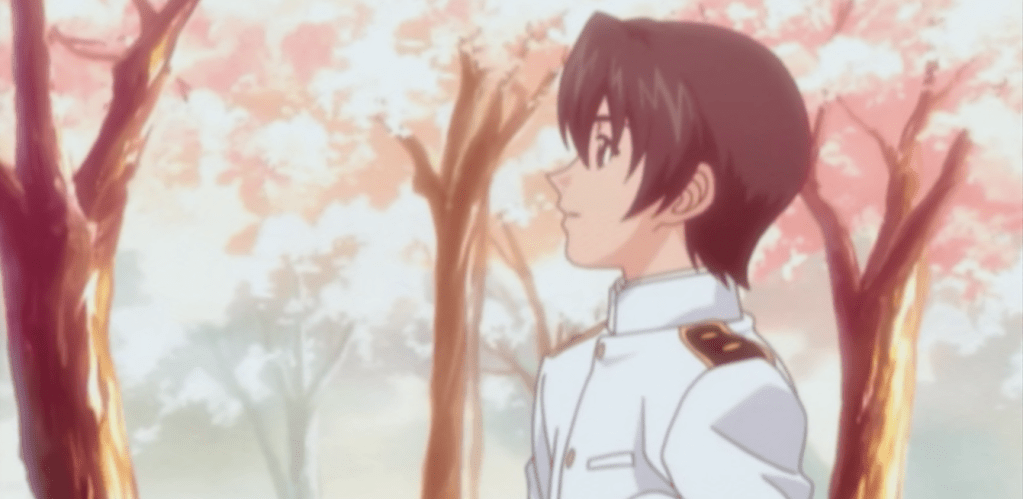
This review contains spoilers for the story
I’ve been a Sakura Wars fan for a good few years, and recently managed to get my hands on the Playstation 2 version of the only officially translated game in the series. Most of my earlier experiences with the series comes from pointing my phone camera at the screen and hoping the translation would be somewhat legible and sensible (it often wasn’t). The first two games now have phenomenal fan translations, but I like to do the most logical thing and start with the fifth game in the series for TanookiChickenAttack instead. Sakura Wars V: So Long, My Love is a dating sim that leans heavily on the visual novel side of things, so spoilers are, unfortunately, inevitable. For the official TCA seal of approval please refer to the last paragraphs for the -mostly- spoiler free review!
Sakura Wars V is the first of Red Entertainment’s long running flagship series to receive an official translation. Originally published exclusively in Japan by Sega in 2005 after the remake of the 1996 original in 2003. It would take an additional 5 years for the game to be released overseas. The Playstation 2 version would be published by NIS-America, with a two disc release. The first disc contains the original Japanese voice acting as well as some minor changes to the localization, and the second disc contains a fresh new English dub. While the PS2 version was only released in the US, the game would also be ported to the Nintendo Wii by Idea Factory. This version only contains the English dub as well as a few game breaking bugs that make it somewhat infamous within the community.
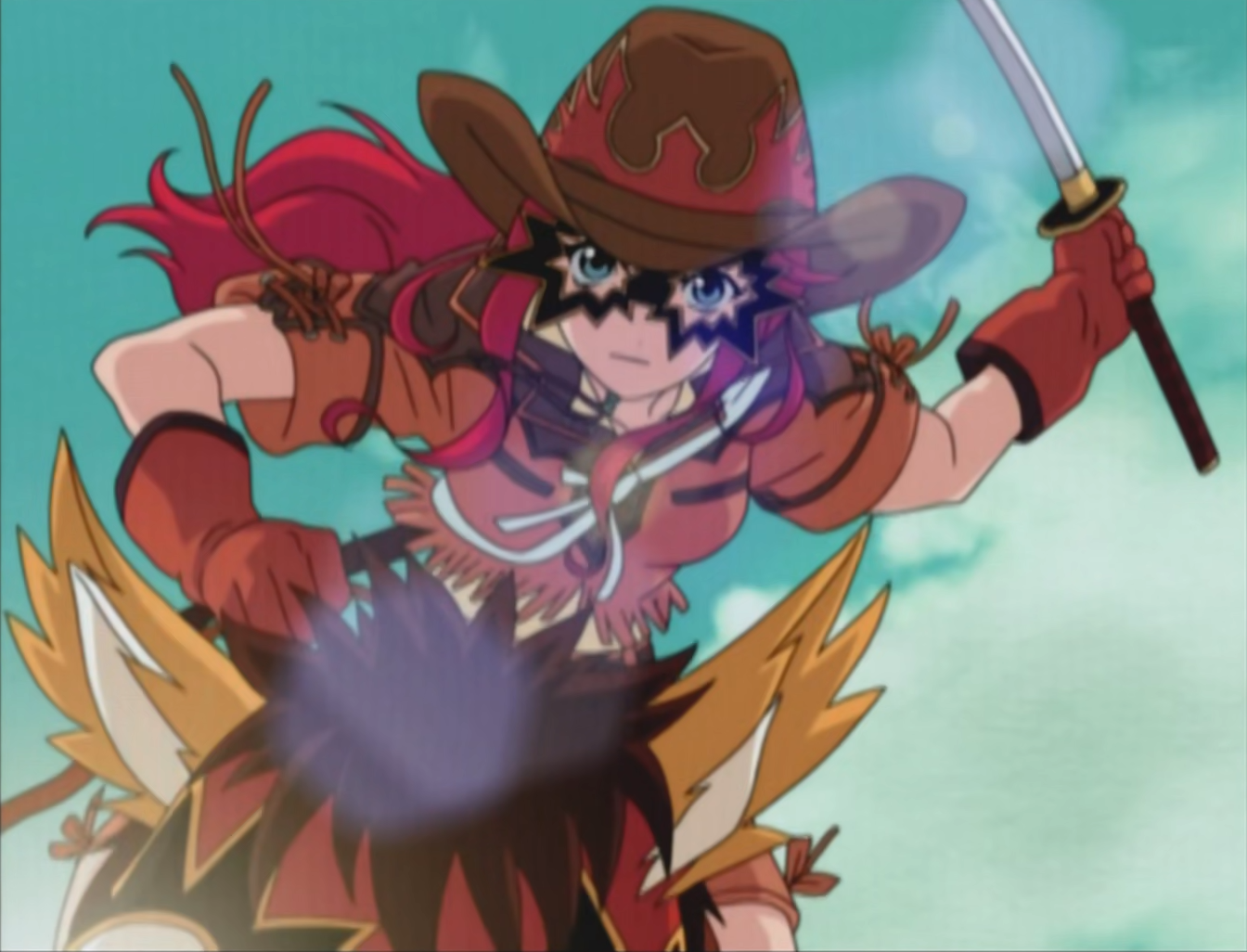
The game was originally announced as part of Sakura Wars World Project, an initiative announced in 2002 that would map out the future of the series. This project included OVA, multiple games, and other media projects. The OVA’s focused on Sumire ( one the girls from the first games), and a prequel to the Paris Revue from games 3 and 4. The Sakura Taisen remake, dubbed Sakura Wars: In Hot Blood, was also part of this project. Sakura Wars 3 would get a PC port, and Sakura Wars 4 got a side story for the Playstation 2. This left Sakura Wars V: So Long, My Love as the “most likely to succeed candidate” for the series’ first international release. However, the game would receive a prequel story focusing on one of the protagonists’ — Gemini Sunrise — arrival in New York. Sakura Wars V Episode 0: Kouya no Samurai Musume was a Japan exclusive release for the Playstation 2. It was a pretty drastic departure from the SRPG formula as one of the first action games in the series, not counting Sakura Wars Columns, and was heavily criticized upon its release.
Sakura Wars V serves as an entry point for newcomers to the series, with a brand-new cast of characters, in a brand-new city, with a brand-new protagonist. We get introduced to Shinjiro Taiga, a wide-eyed, fresh off the academy officer, and nephew to the captain of the Flower Division, Ogami. His first assignment sees Shinji take the lead of the Star Division in New York, as a substitute for his uncle. After setting off on a boat you arrive in New York, ready to start your life as a member of the Star Division. But not before bumping into a masked bank robber on horseback, And from here the madness that is So Long, My Love begins.
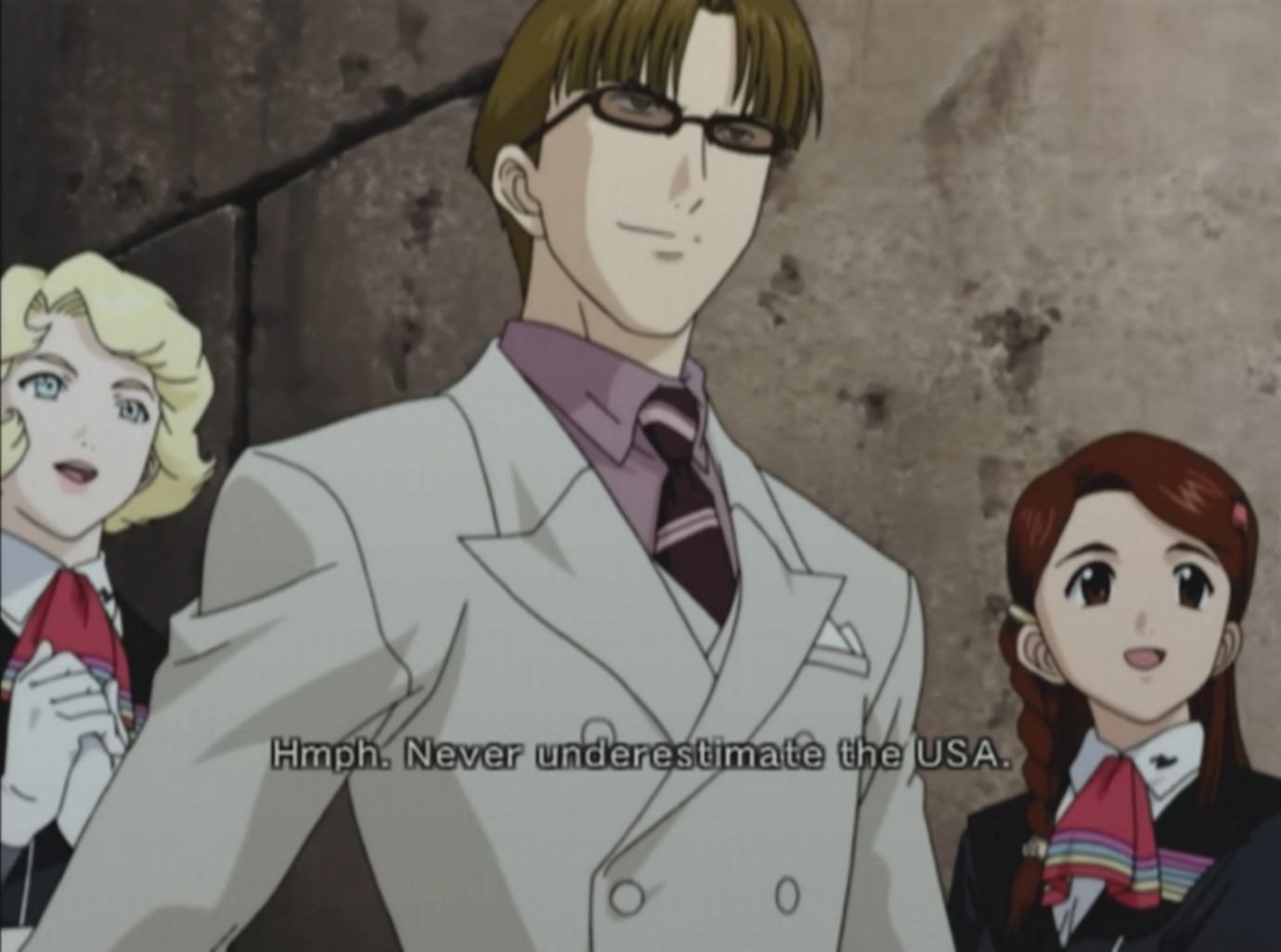
It is quite difficult to put the insanity (lovingly) of Sakura Wars V into words. Most of the game is dedicated to introducing the new cast. Five of the eight chapters in the game are each dedicated to getting to know one of the characters, with bits of pieces of the main story peppered throughout. The first chapter is an introduction to New York, and a few of the supporting characters. Michael Sunnyside and Ratchet Altair are the manager and secretary of the Star Division, with Anri Yoshina and Plum Spaniel forming the Rainbow Division. Alongside the supporting cast we get introduced to Sagitta Weinberg, resident lawyer, and Subaru Kujou, a former member of the European Star Division together with Ratchet.
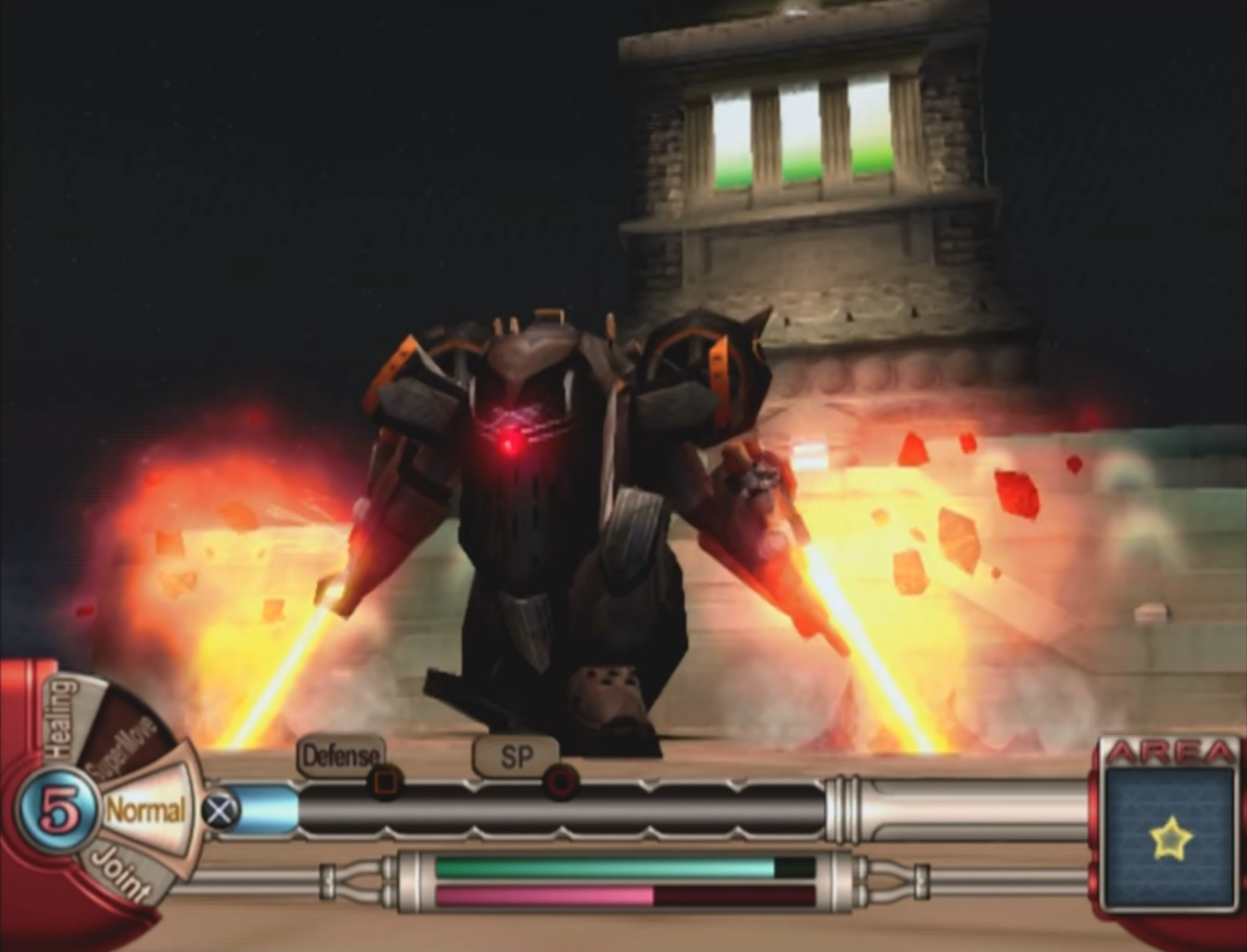
The game is divided into two modes of gameplay; Visual novel segments that tie the combat sections together, alongside a little free-roaming from time to time. With the battles usually taking place at the end of a chapter. While settling in your new apartment, we meet Gemini Sunrise, an optimistic and energetic girl. After dropping of our luggage, the game allows you to explore a little. You actually get to move around in fully modeled environments. Simply select the area you wish to visit, and off to the races you go. While visiting Central Park we bump into Diana Caprice, a wheelchair bound woman that helps Shinji get more acquainted with life in the big city. However, the acclamation period is cut short by a demonic attack on the Statue of Liberty.
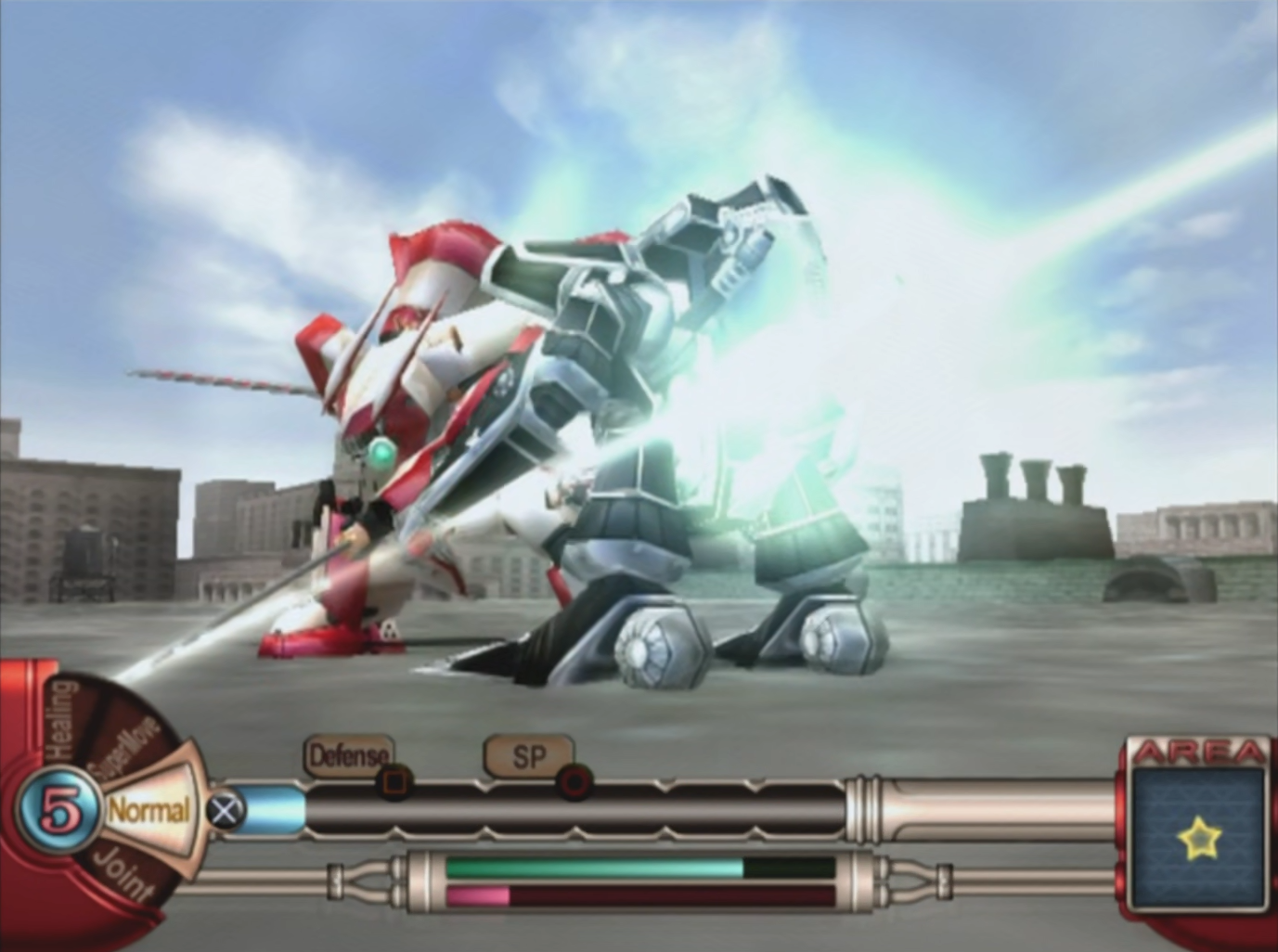
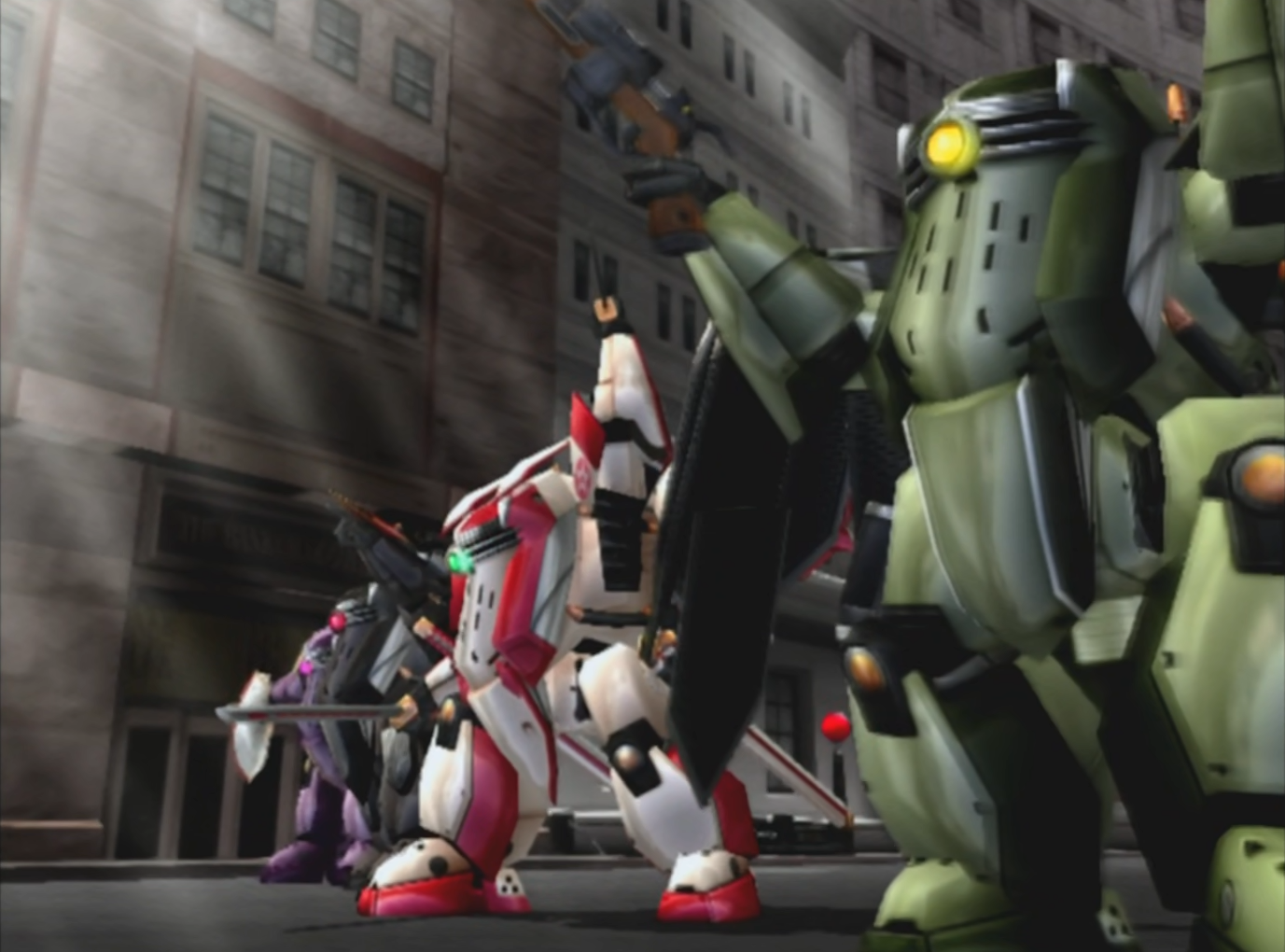
The assault on the Statue of Liberty is the first combat sequence of the game. So Long, My Love is one of the biggest departures from the traditional turn-based strategy RPG elements that the series was known for. It opts for a more dynamic combat system that allows players to move freely around the map with a limited amount of action points. These action points can be divided between movement, normal attacks, joint attacks and special attacks. Each taking up a certain amount of points to use. Normal attacks can be combo’d up to 5 times for a finishing strike that does a bit more damage. Joint attacks allows the bonds between characters to shine with a cooperative attack when pincering enemies. Special attacks are the signature attacks of each character which require spirit power to use. These attacks are devastating and deal a ton of damage, but can’t be used constantly. It’s a welcome change that helps give the series a fresh new look, while also maintaining the core RPG design.
After the battle at the Statue, Ratchet is incapacitated by the demon Ranmaru, leaving Shinji in charge as Captain of the Star Division. A promotion not taken kindly to by the rest of the revue members. From this point the game dedicates a chapter to each of the Star Division characters. It gives you a lot of time to get to know the new characters, while also providing with some hijinks to keep you on your toes.
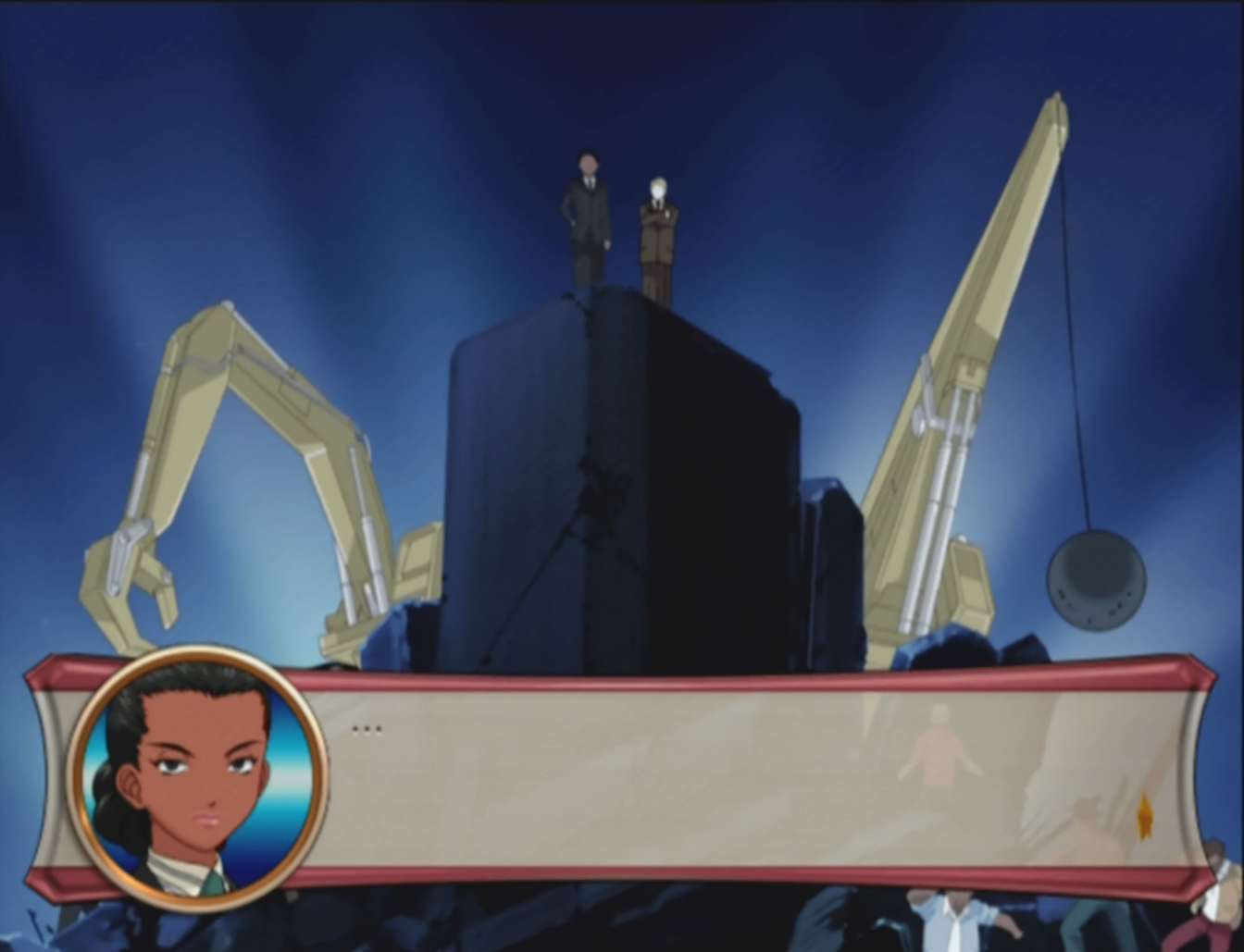
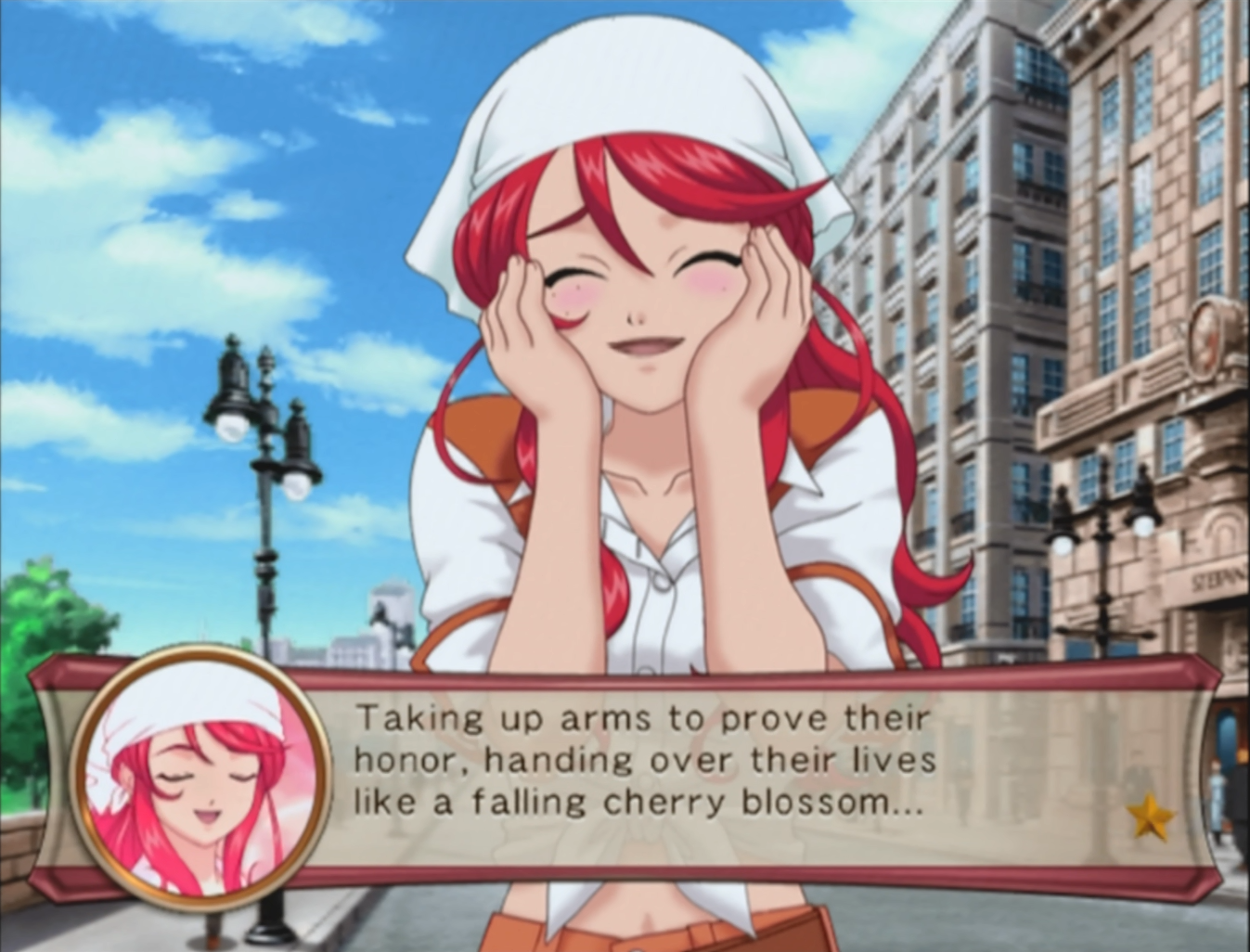
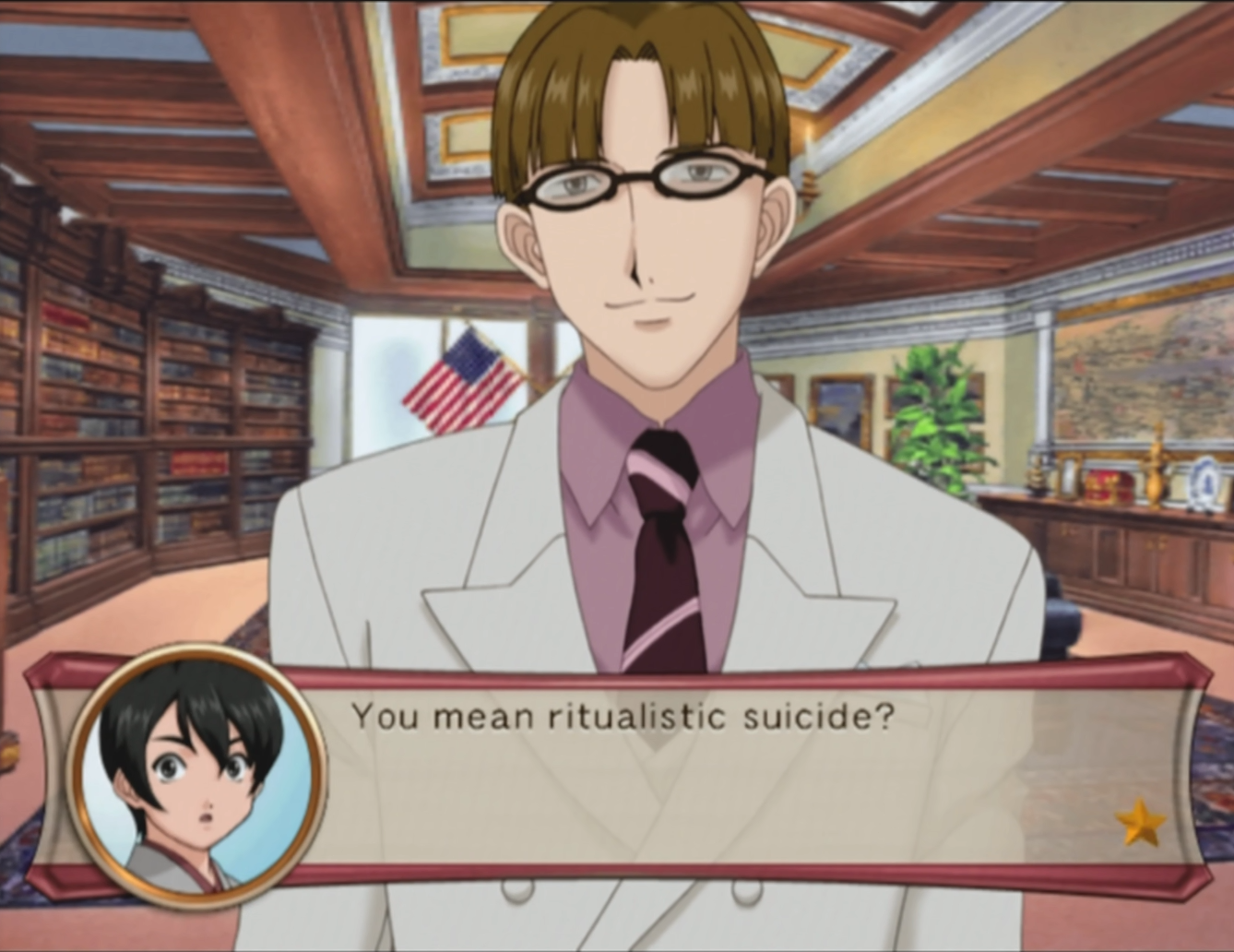
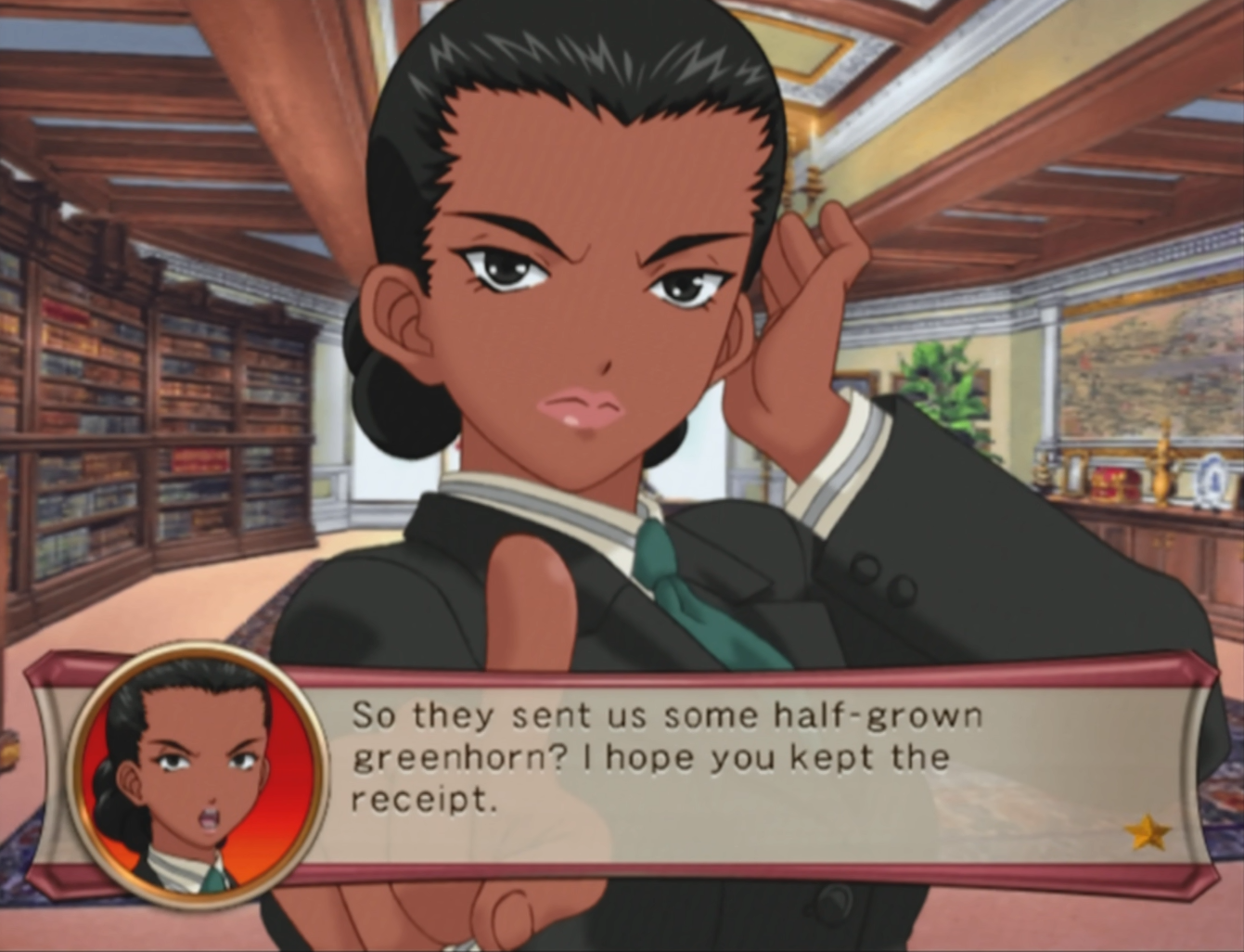
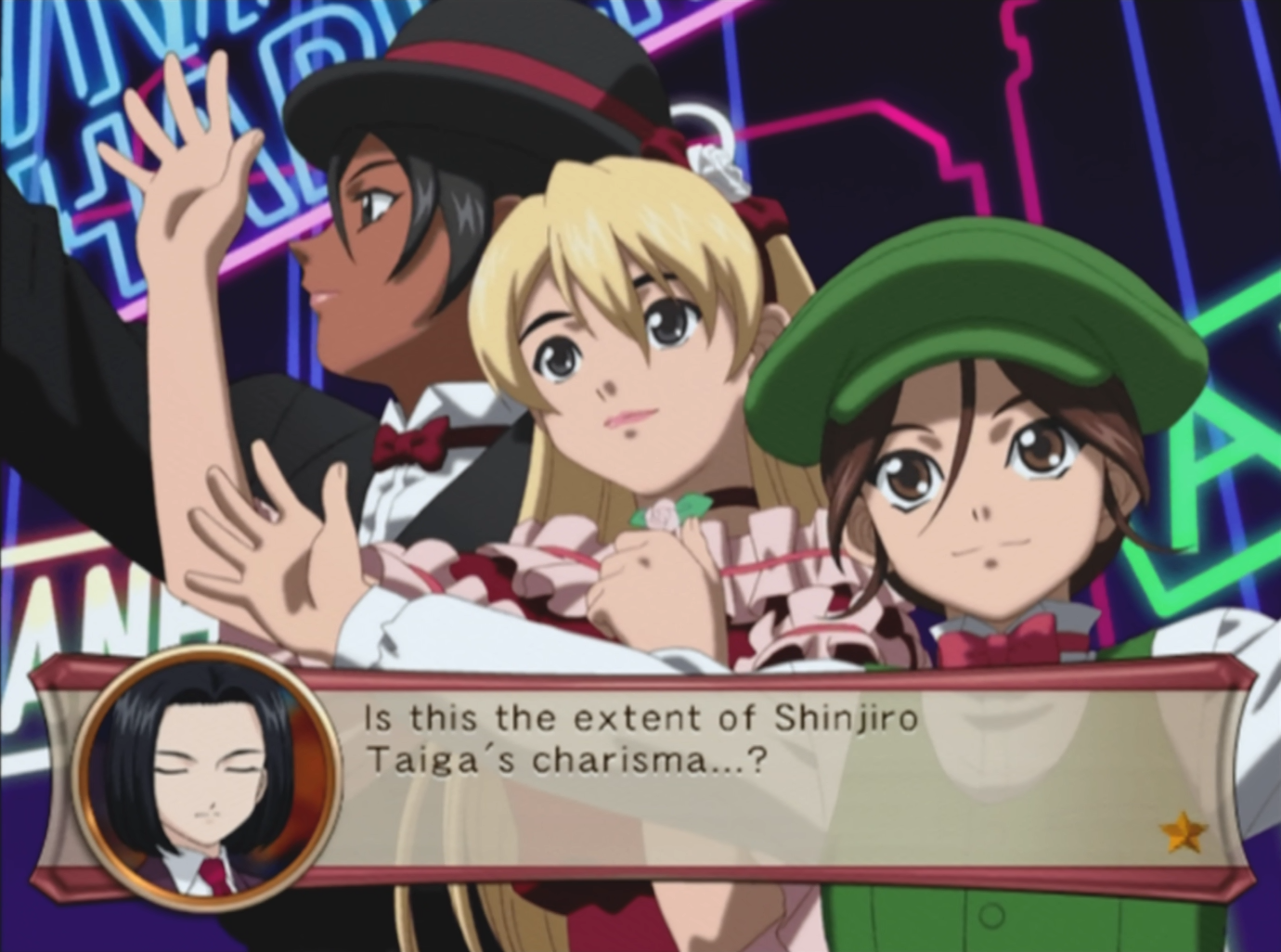
The second chapter starts us off with Sagitta’s involvement in a plot to overthrow Harlem for a company that is looking to turn it into a gentrified timeshare neighborhood. The first 100 people to sign up get $5000! This leads to a mock court battle that plays out like a parody of an Ace Attorney episode. This would be funny in and of itself, but the game goes out of its way to have the company Sagitta works for commit mass manslaughter by leveling a sizable chunk of Harlem, inhabitants included.
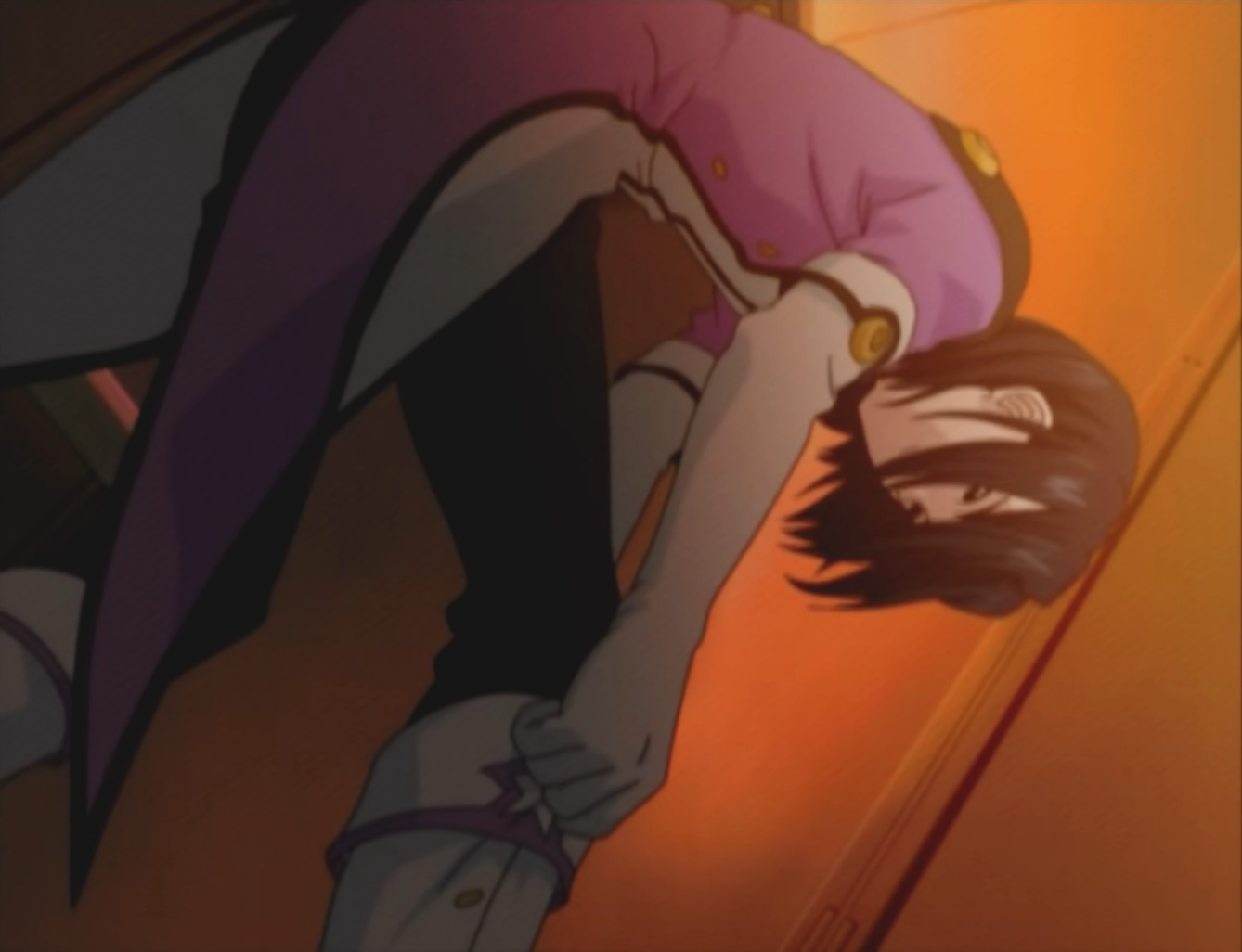
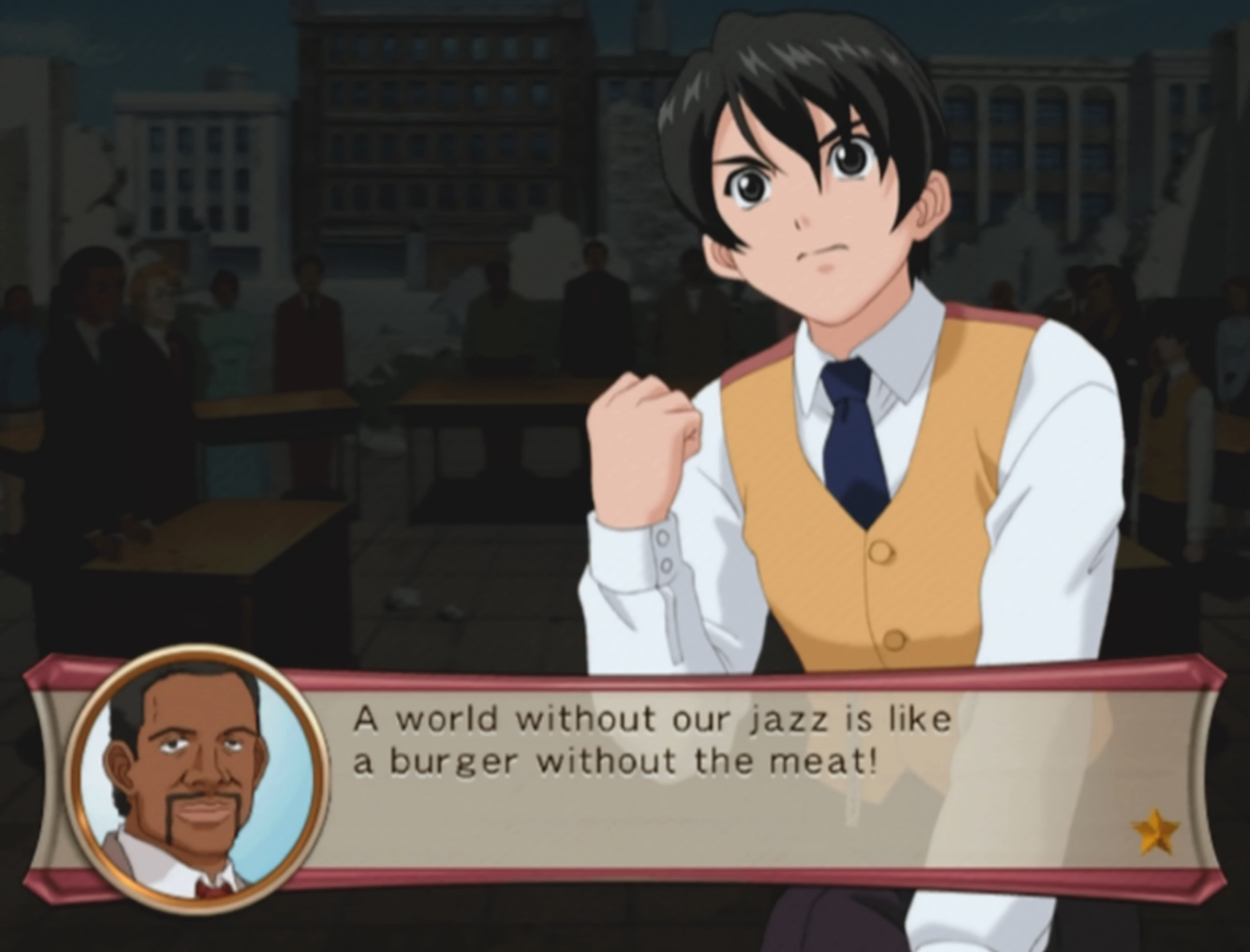
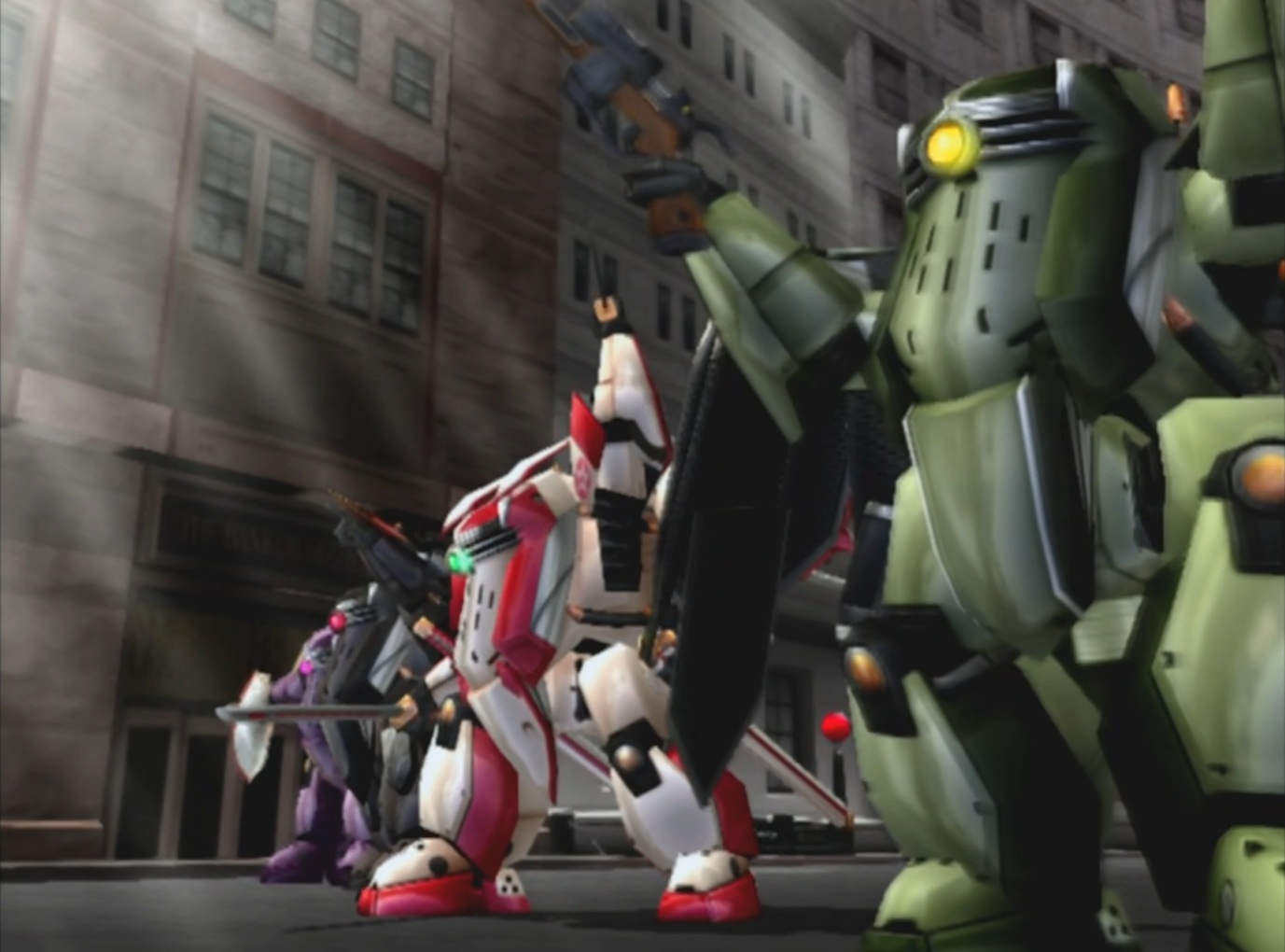
So, alongside the antagonistic attitude towards Shinjiro, we also have to take her criminal record into account in the following court proceedings. Nothing we can’t solve with a bit of friendship, soul food and jazz though! If this wasn’t enough, a demon shows up right as the power of friendship conquers the American legal system. The mock court proceedings conclude with Mr. Sunnyside showing up with the announcement that he just bought the entirety of Harlem as a joke, so people can now continue to live in their homes. Or whatever is left of it.
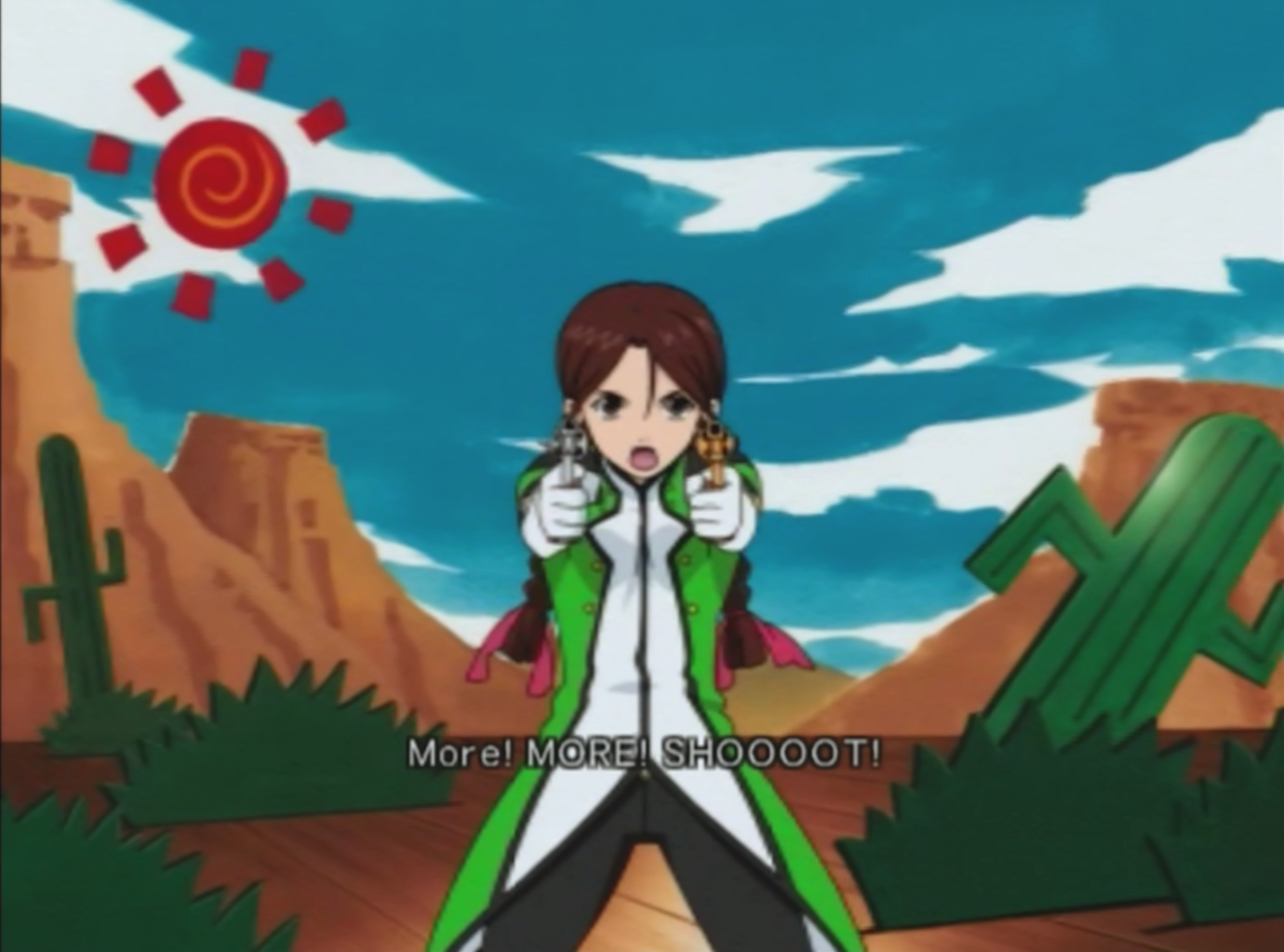
The next member of the revue to take the spotlight is Rikaritta Aries, Rika for short. A young bounty hunter with the energy output of a nuclear reactor. At first her demeanor caused some sense of frustration as the character seemed to be as happy as a person as she is on the trigger. This didn’t last very long, however, as Rika’s backstory unfolds and my initial frustration towards her turned to sympathy. Her chapter is, next to Gemini, and in my opinion, the strongest in the game. When Rika was growing up, she traveled the country alongside her gunslinging father, a performance artist. One faithful day Rika falls into a river during a storm and is saved from drowning by her father at the cost of his own life. Now Rika is left with a crippling fear of failure that is hidden behind the performance act she once saw her father do.
This fear completely paralyzes her during her first battle against the demons. A mistake she makes causes the rest of the revue to nearly lose their life in the fight. The gang narrowly manages to get away, but the lasting impact of the trauma caused by her fathers death is palpable throughout this sequence. After the battle she completely resigns to the idea that it would be best if she left everyone alone, because her failure could mean their deaths. The scene that follows between Shinjiro breaking through the walls of Rika’s trauma, causing her to open up is incredibly well paced and written. It’s arguably one of the strongest parts of the game. Afterwards Shinji brings Rika back to the theatre, where a worried revue embraces her. I appreciate that the game doesn’t consider her problems solved, instead uses the caring nature of the rest of the cast to help her push forward.
This allows the game to open doors to its more vulnerable moments. A delicate balancing act that is constantly flipped off the table by some of its prior antics. Yet the chapter surrounding Rika shows a more tender side behind the facade. Its a welcome change of pace from the rollercoaster that has been testing the speed limits for the last 3 to 4 hours.
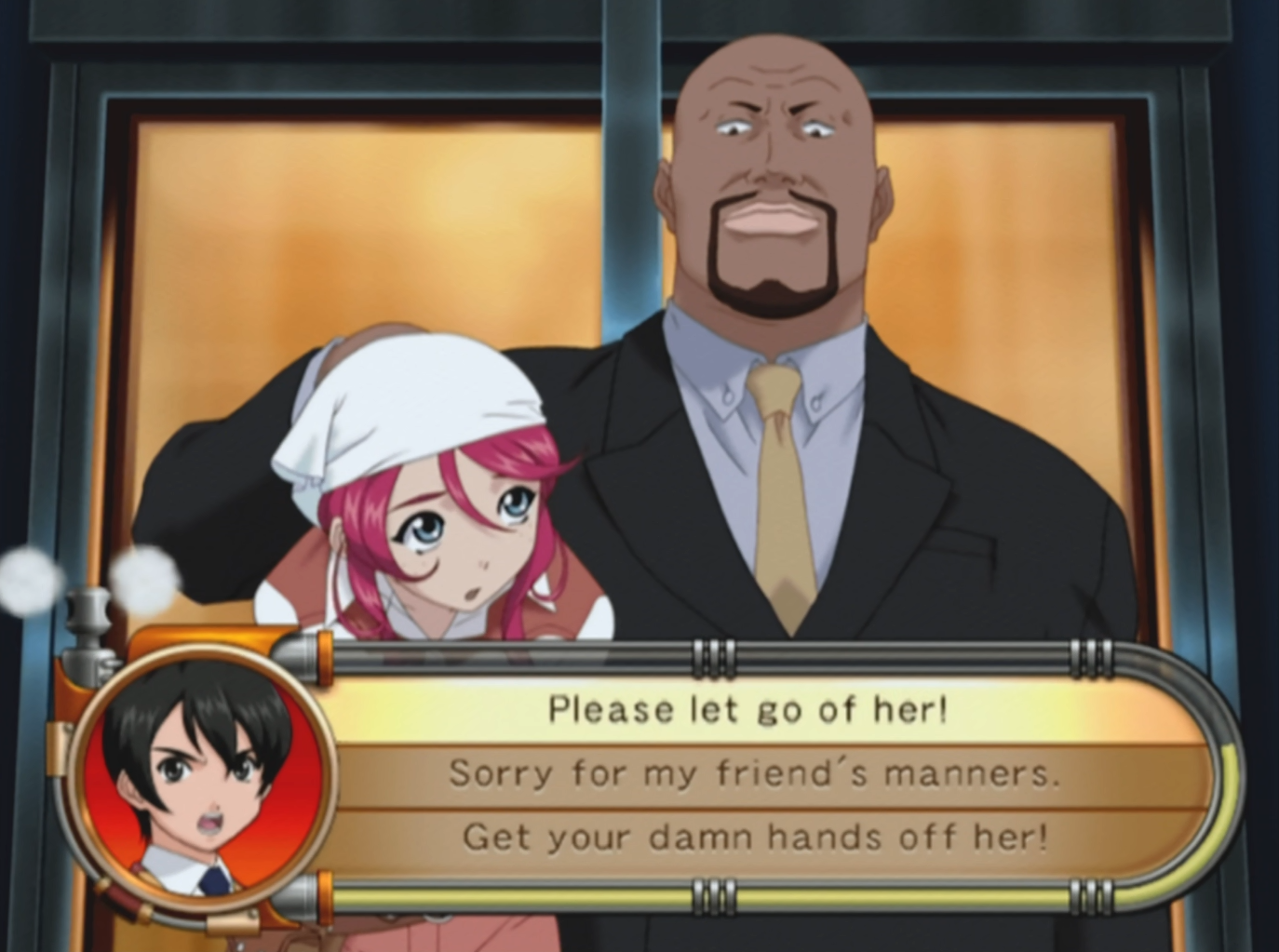
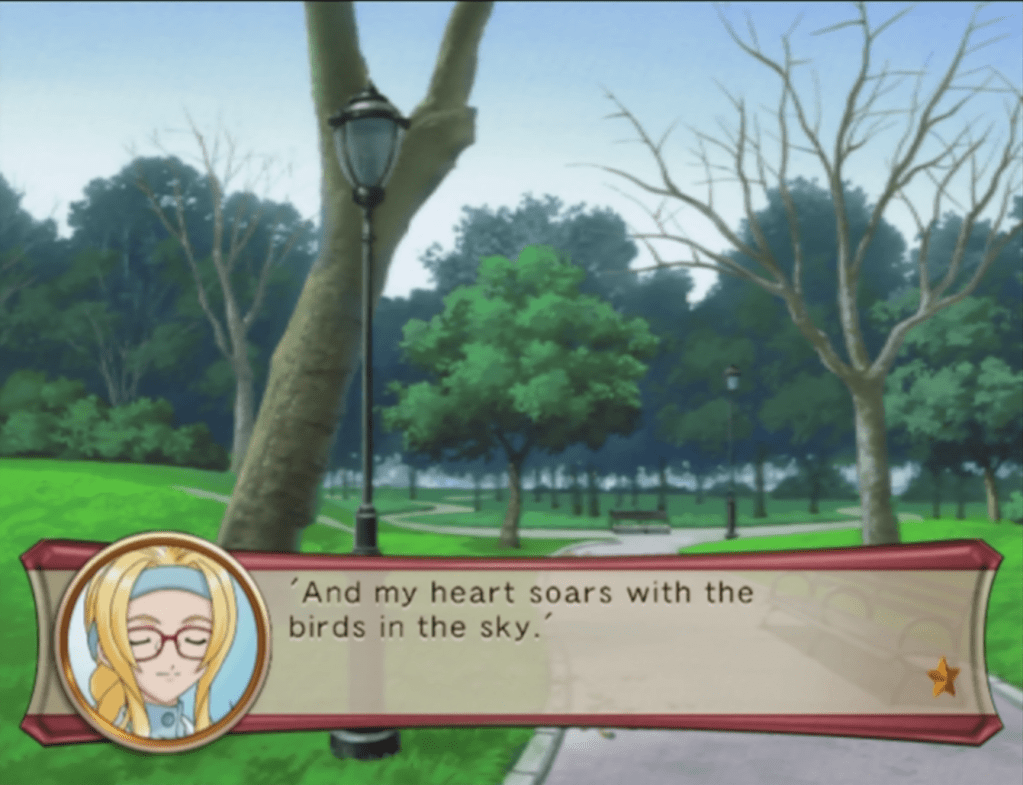
The game then immediately follows this chapter up with the NYPD declaring open war on all the birds of New York. Diana’s chapter tries to weave a similar web of hardships, but fails in it by juxtaposing it with a retelling of Birdemic. Diana’s body possesses a massive amount of spirit energy, which causes severe damage to the body itself. Because of this, she’s bound to a wheelchair. Despite her graceful calm and gentle nature, Diana has pretty much given up on life due to her illness, which results in a severely nihilistic outlook on life. When Shinji tries to help a bird with an injured wing, she outright tells him to kill it. Throughout her chapter we learn a bit more about why she developed such an apathetic outlook, but something is stirring in the background. All the birds in New York rise up in rebellion of their human overlords thanks to a demon’s influence.
It’s not exactly a voluntary uprising, as the birds are coaxed by a demon to rebel against the human oppressors of New York. The mayor visiting Sunnyside’s office to announce the declaration of war is a highlight of this chapter. There’s no need for the mayor to do this. At all. During the uprising, the demon unleashes a horde of killer insects upon Central Park, while Wall Street is under attack by the Pigeon Brigade. During this attack Diana is saved by the bird Shinji helped recover, and she regains the use of her legs. Diana then runs off to Wall Street to stop the NYPD from shooting all the birds. While this sequence could’ve been a strong emotional moment, it constantly hard cuts to shots of the police shooting birds. With the screams of the fallen avian warriors looping the cries of the dead in the background. The Pigeon Brigade has fallen. They fought valiantly for a few breadcrumbs of freedom, and paid the ultimate price.
The fifth chapter in the game goes a bit deeper into the enigma that is Kujou Subaru. Throughout the game, Subaru has been a cold and stand-offish mystery whose perfectionist nature often leans into an arrogant lashing out to other members of the revue. This is often at the expense of the other members during practice, especially Rika, whose inexperience often incurs the ire of our perfectionistic actor. During Subaru’s chapter starts to lash out at the rest of the revue after reading an article about an auction. Alongside this, various women have mysteriously disappeared in the neighborhood. We also get a bit more insight into Subaru’s stand-off nature. As the rest of the crew grows closer, Subaru struggles to open up and resents the feelings of isolation. Subaru turns this into an aggressive verbal and physical lashing out as a defense mechanism.
While the investigation into the disappearing women, and appearing statues, continues, the conflict that Subaru caused comes to a head in a fight between her and Shinjiro. Meanwhile the Rainbow Revue gets invited to the auction, with a lavish party on a boat included. Naturally this turns out to be a trap by Ranmaru’s final demon lackey, and all the party goers get turned to stone. The ensuing fights shows that the game struggles a bit with creating interesting combat scenarios, without relying on either a floodgate of enemies, or an obstacle that runs on a timer. In this case its both. This fight sees you race to the other side of the ship to prevent the enemies from hauling off the statues. There is a narrow window of success if you have at least two characters make a break for the point of delivery. Once you figure out how to get around the horde of enemies on the dance floor the tension of the stage completely deflates. The gimmick is solved, and the enemy forces are thinned out.
The final, and very long overdue, member who joins the revue is Gemini Sunrise. The poster girl of Sakura Wars V and its prequel Chapter 0. It’s a rather strange choice to have the biggest pillar of support join so late in the game. At this point in the story we’ve experienced most major plot revelations and are mostly looking for Gemini to check off some things before the grand finale. This leaves Gemini is a weird position within the game. She’s one of the most sympathetic and kind characters Shinjiro got to know since his arrival in New York. Part of this might be because introducing Gemini to the revue early might otherwise overshadow the other cast members.
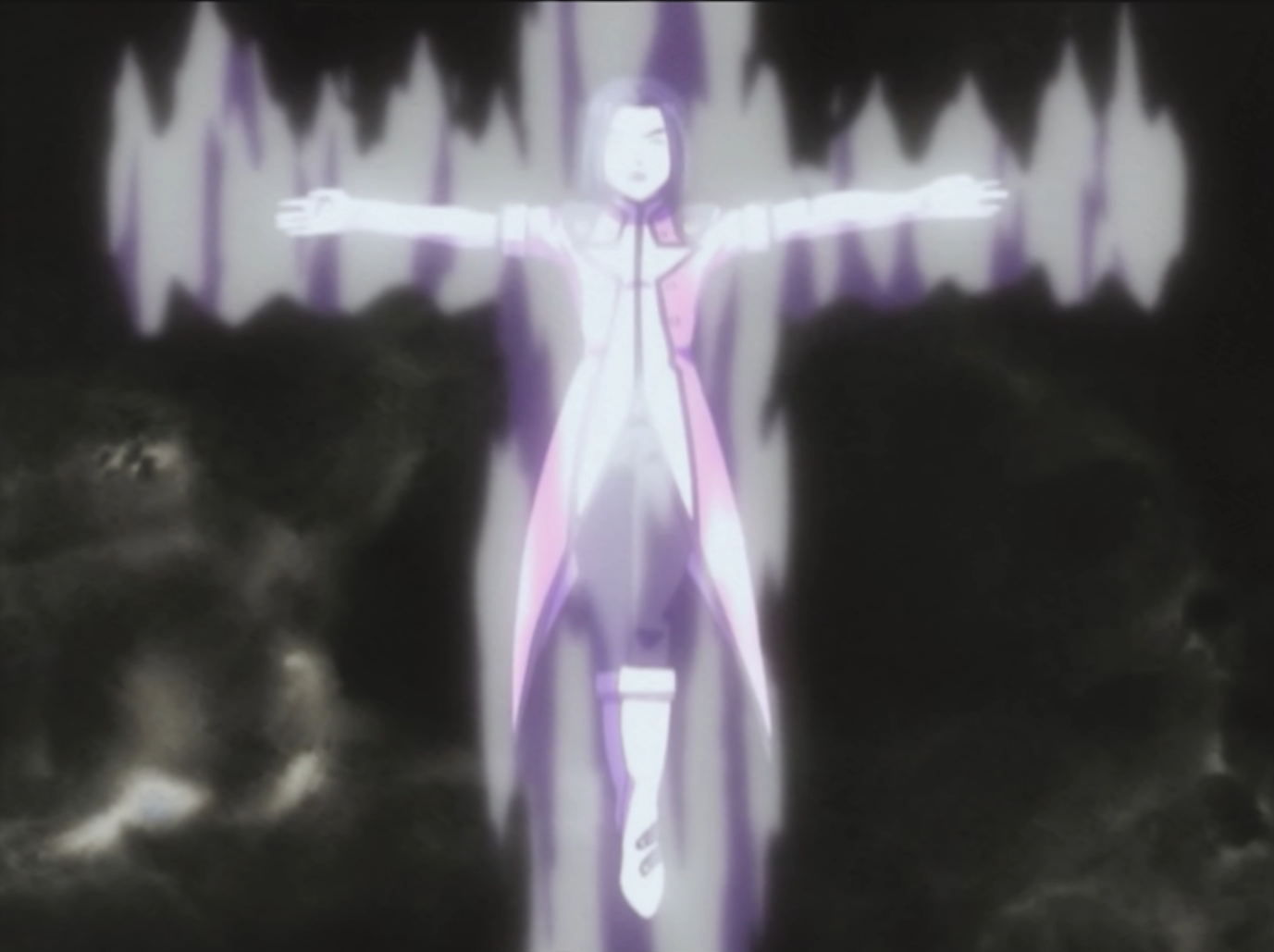
As Ranmaru’s demons cause more and more havoc in New York, the resurrection of a demon overlord with incredible ambitions seems imminent. Throughout this chapter we learn of Gemini’s second personality; Geminine. The spirit of her twin sister who got absorbed while they were in the womb. Geminine is Gemini’s more confident and bold side, often leaping before thinking. This second personality manifested stronger than before since Gemini arrived in New York, and with the assailant of their master in sight, completely overtakes Gemini’s body for the sake of revenge.
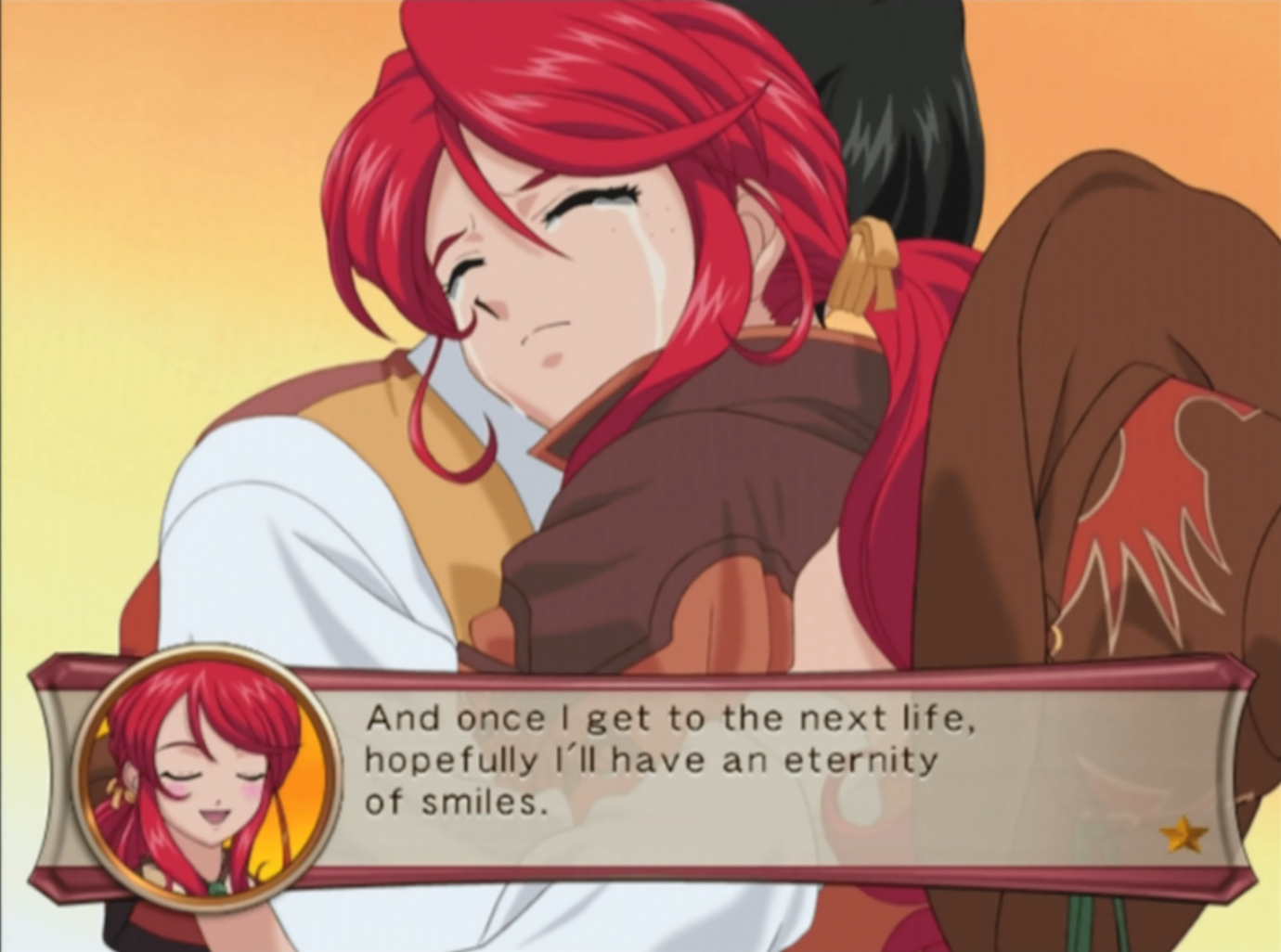
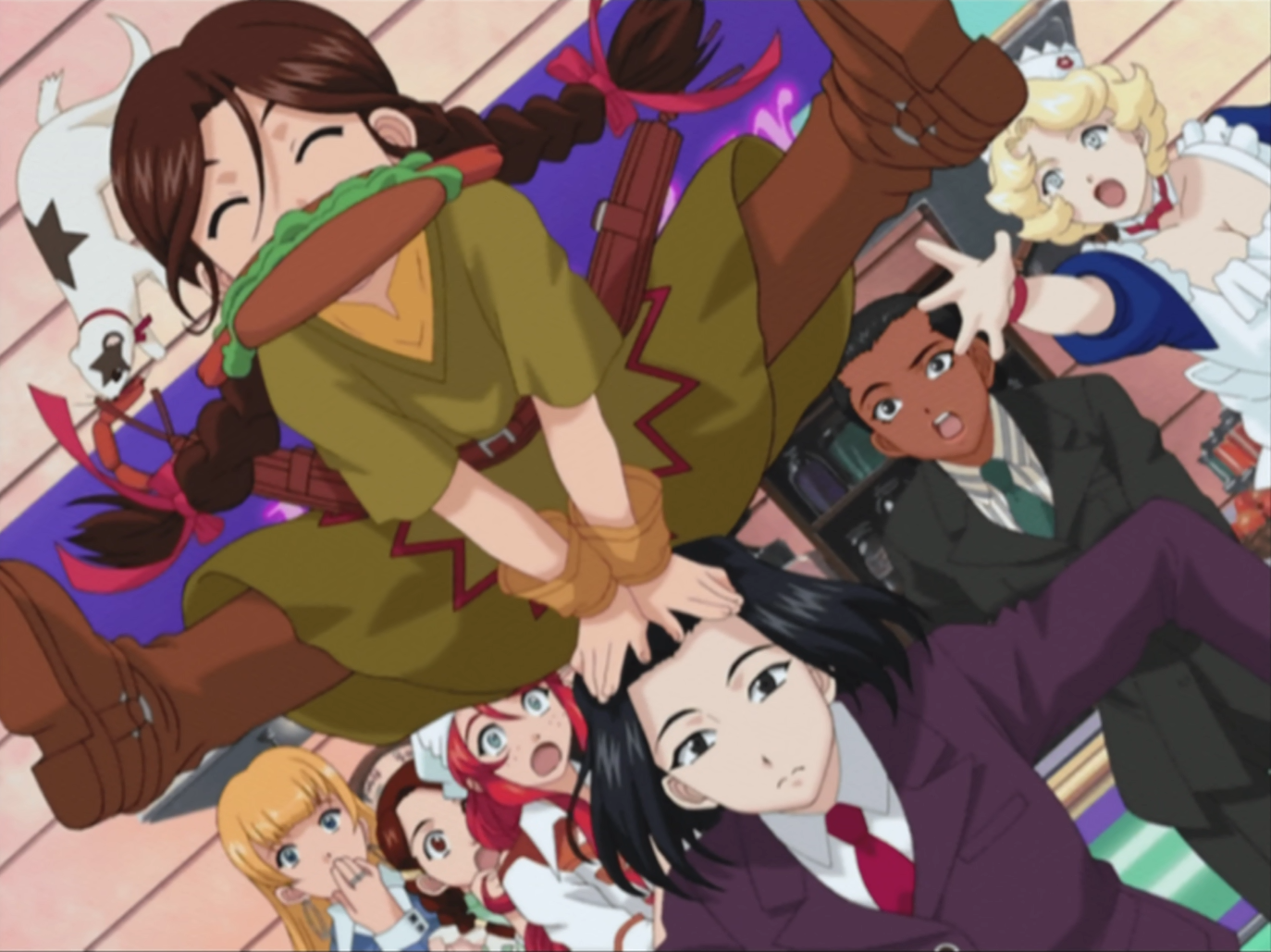
During their first mission with the revue, Geminine is lured into a trap, causing the rest of the revue to get captured. Her hatred for her masters killer completely clouding her sound judgement. The encounter on the bridge helps Gemini accept her sister as the other part of a whole, becoming a complete person. With the theater under assault by demons, it’s up to Shinjiro and Gemini to rescue the revue and save the theatre before the grandest of grand finales.
The final chapters of Sakura Wars V are where the non-character focused story finally shows up. Up until this point in the game we’ve only seen a handful of moments of build-up, with most of the time dedicated to developing the new cast and having them face their demonic nemeses. It leaves a lot to be desired in terms of momentum, as the bulk of your playtime is dedicated to the characters, but the game does go out in the wildest set of fireworks imaginable. The final battle on the game is a long sequence of boss battles that eventually lead to a near world ending fight in the skies above New York.
I felt it necessary to delve into, or at least try to describe, each chapter for this review, as the game is hard to describe without context. It’s difficult enough to describe with context. How do you contain the madness within the phrasing of a sentence. “For I knew that the King in Yellow had opened his tattered robes and there was only God to cry to now.” Okay, that’s a little much, but properly trying to capture the ludicrous nature of the game with the delicate balancing act it tries with its characters has felt like an herculean task. This game is a delight that revels in the grandiose nature of its premise. A bombastic and stylish new look for a long established series to entice newcomers with its koi shaped fireworks.
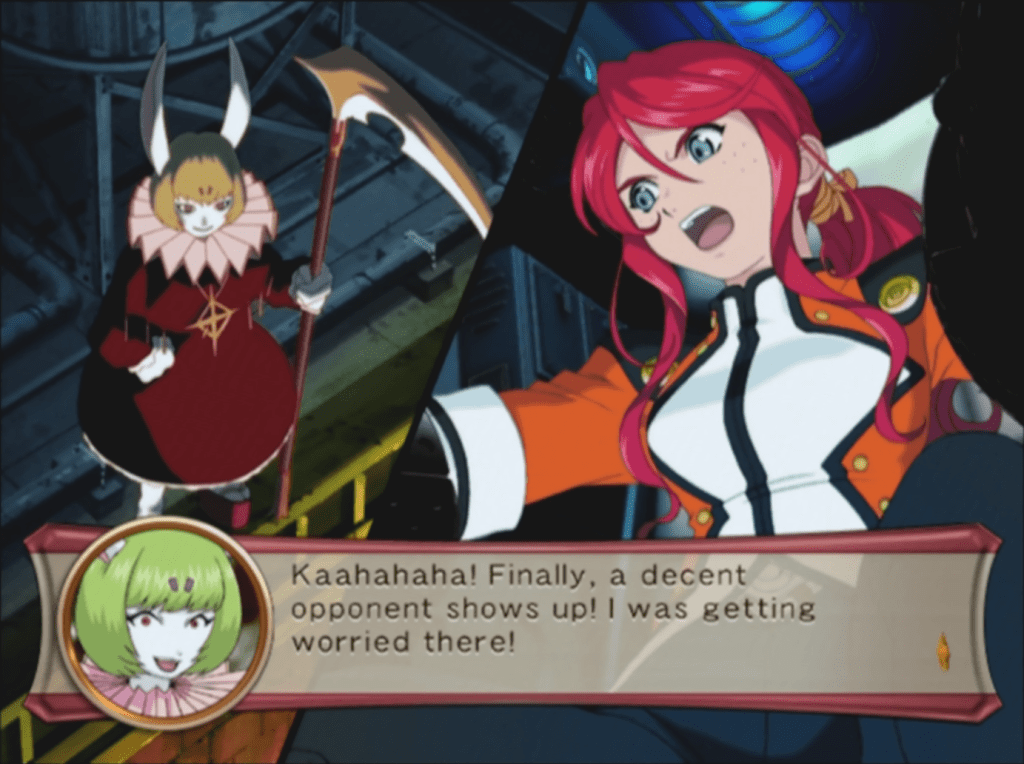
One of the biggest hurdles that So Long, My Love faces is that the cast is downright hostile towards Shinjiro throughout the first 2-5 hours. In a game that is part dating sim, part SRPG, this is a bit of a pitfall for me. A character can be hostile towards the main character in a dating sim, but you have to build this up with reasoning and motive, instead of what comes across as blind hostility. The start of the game is riddled with characters reminding you that you’re the inferior family member, with Diana and Gemini providing the only place of refuge for any sense of positivity. I somewhat get what they were going for, but I did find it very off-putting to have my first experience with the game be this antagonizing. It did make the route choice that much easier. My guess is that the palpable bitterness from some characters, was meant to steer you into the arms of others. While the cast does mellow out towards Shinjiro’s existence in the later parts of the game, for most people the damage will be done at this point, myself included. This leaves you with a natural gravitation to either Diana or Gemini as your main girls of interest.
That’s not to say that the rest from the cast forms a detriment to the facets that each of them bring to Shinjiro’s personality. The girl you choose is ultimately your personal preference, but each character of the cast also fulfills a certain role. Sagitta shows us that its important to pursue goals, but not lose sight of why you set them in the first place. Rika shows us that kindness and extending a helping hand can help someone look to the future. Diana shows us that accepting that help can be a light at the end of a very dark and apathetic tunnel. Subaru shows us that perfection isn’t always the perfect solution, especially if it comes at the cost of the others. And Gemini shows us that accepting all facets of oneself can make for a more whole person. Each of the girls imparts the lesson of their chapter onto Shinjiro, and in part the player, to make him step out of his uncle’s shadow to become the best Captain the Star Revue has seen.
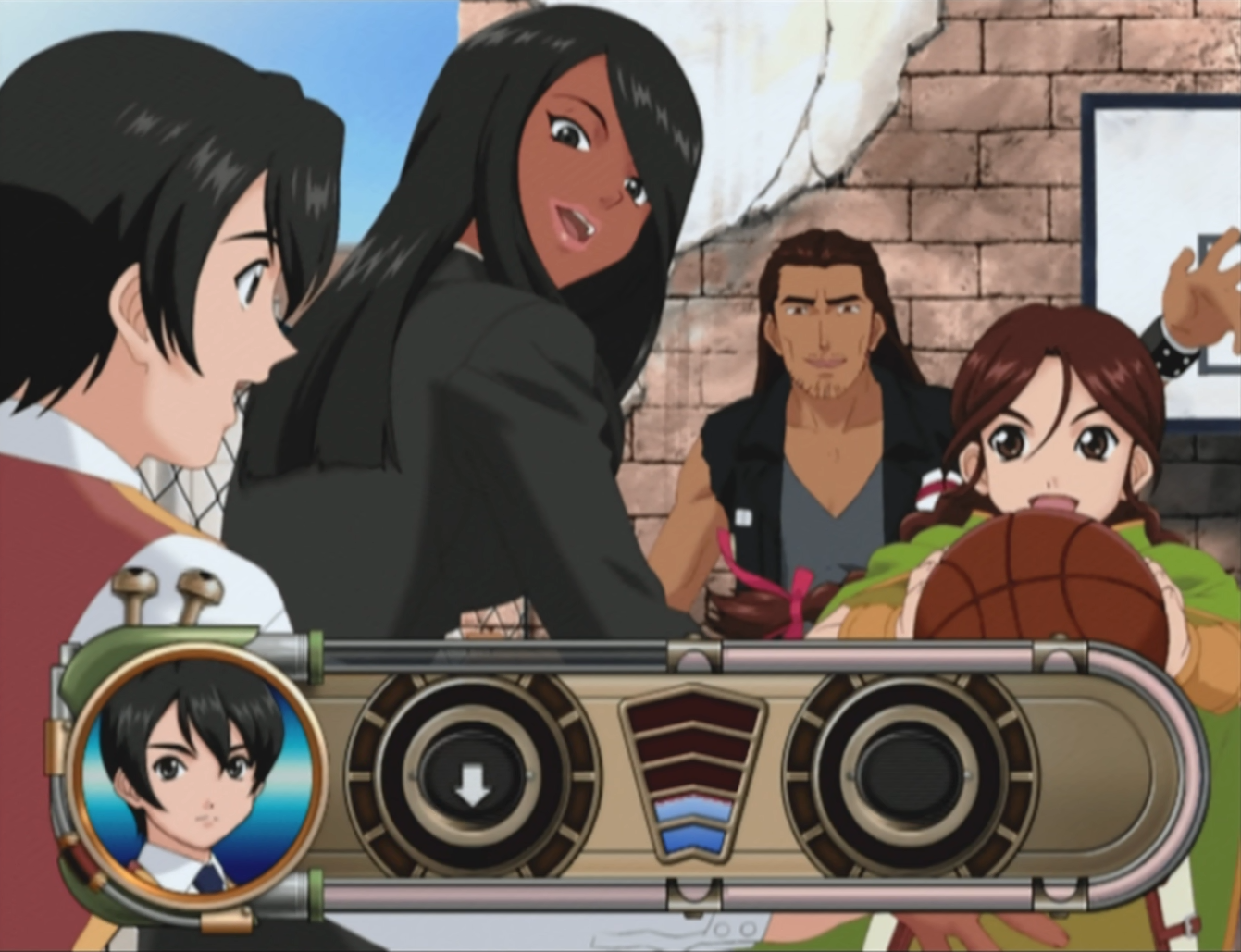
The major changes to the game and its combat system are a welcome change of pace, and provide it with the fresh start it intended to be. As things change, so must certain things stay the same. Much like older entries in the series, a lot of the decisions made during the adventure segments are timed. The Live & Interactive Picture System, LIPS for short, has been a prominent feature that has kept Sakura Wars fans on their toes since the first game. During scenes you’ll be prompted to make quick and on the fly decisions on a timer. These not only help you define how you want Shinji to respond, but also influences how the others view you. It encourages you to really get to know the cast’s likes and dislikes. Not only that, but the amount of affection they have for Shinji also gives them a big stat boost for the combat sections. You’ll be greeted with a little jingle for a generally favorable answer, a very long jingle for the most liked answer, and a big buzzer if you reply in a way you don’t like.
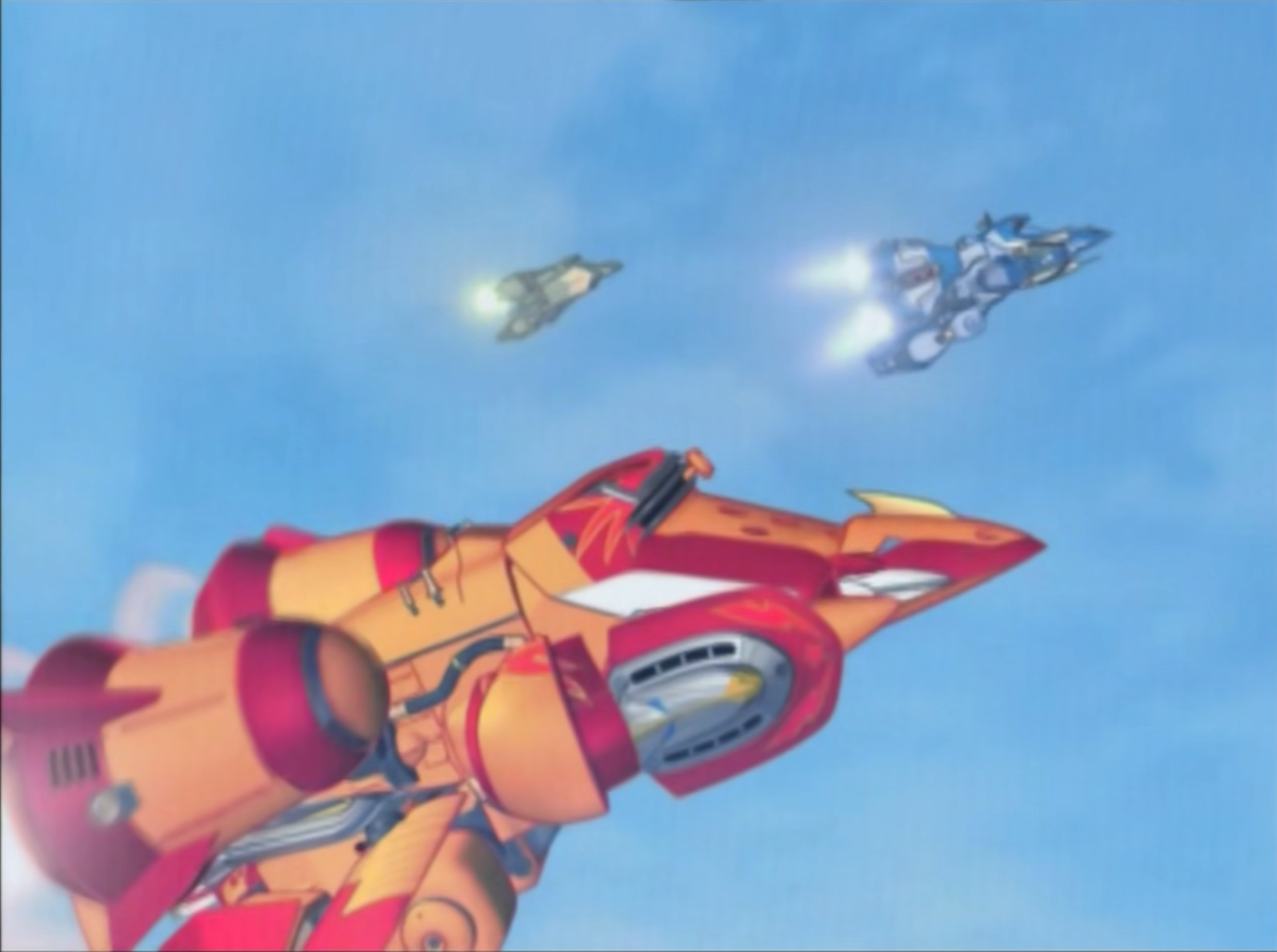
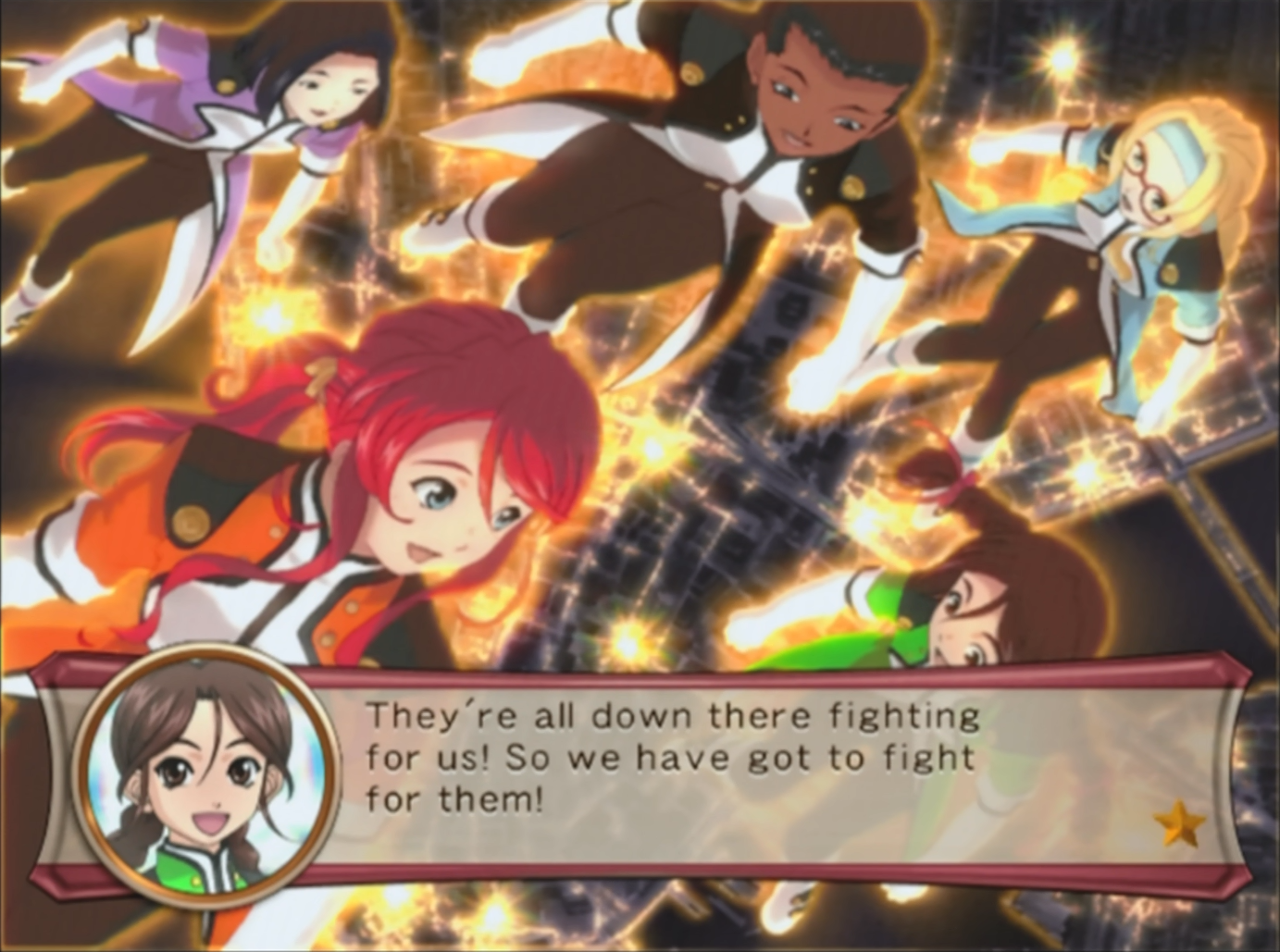
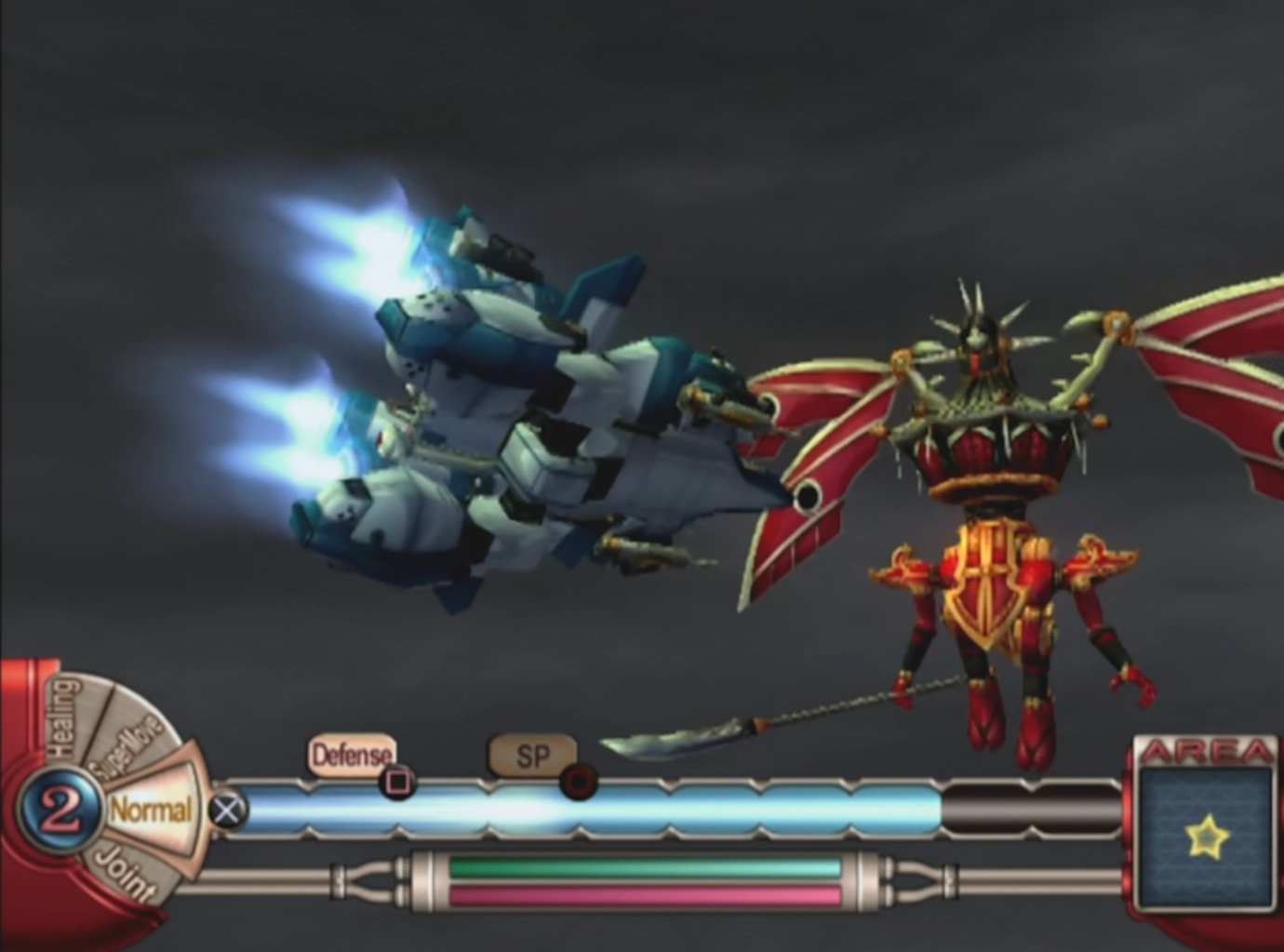
The bonds you shape with your revue help them become stronger during combat, but also the bonds they shape with each other. If you use the joint attacks with, for example, Gemini and Rika, their attacks will grow stronger as their bonds grow. While I absolutely love the way this system is incorporated, it does keep circling back to those first few hours of the game. It puts you as the player in a position, where you have to interact positively with characters that are actively antagonizing you. The things we do for stat optimizations. One of the best aspects of this system, however, is that, with a bit of attention, you can create a really powerful team. It also encourages diverse approaches to the combat stages.
The game starts out living in the shadows of the earlier installments, and the cast constantly reminding Shinji of this emphasizes this. This also might be a deliberate choice when making the game. Little by little, the light manages to peel away the shadows, and like layers of an onion reveal a solid follow-up to a legendary franchise. The new gameplay mechanics give the series a breath of fresh air. The joint attacks in particular work really well with the new 3D environments. I did feel like the game was a bit too reliant on gimmicks to fully commit to an in-depth RPG system. A lot of the later stages and bosses didn’t really feel unfair, but also didn’t really feel well designed either. Instead of creating interesting challenges for the player to engage with, it often felt like the game was just throwing more at you. More enemies, more attacks from the bosses, and so on. That along with the character stats being tied to how much that particular character likes you -And losing stat points if a character goes down in battle- left me with a bit of a sour taste. After all, I don’t really feel like befriending the characters that have been berating me for existing the past two hours. Unless you’re into that. I don’t judge.
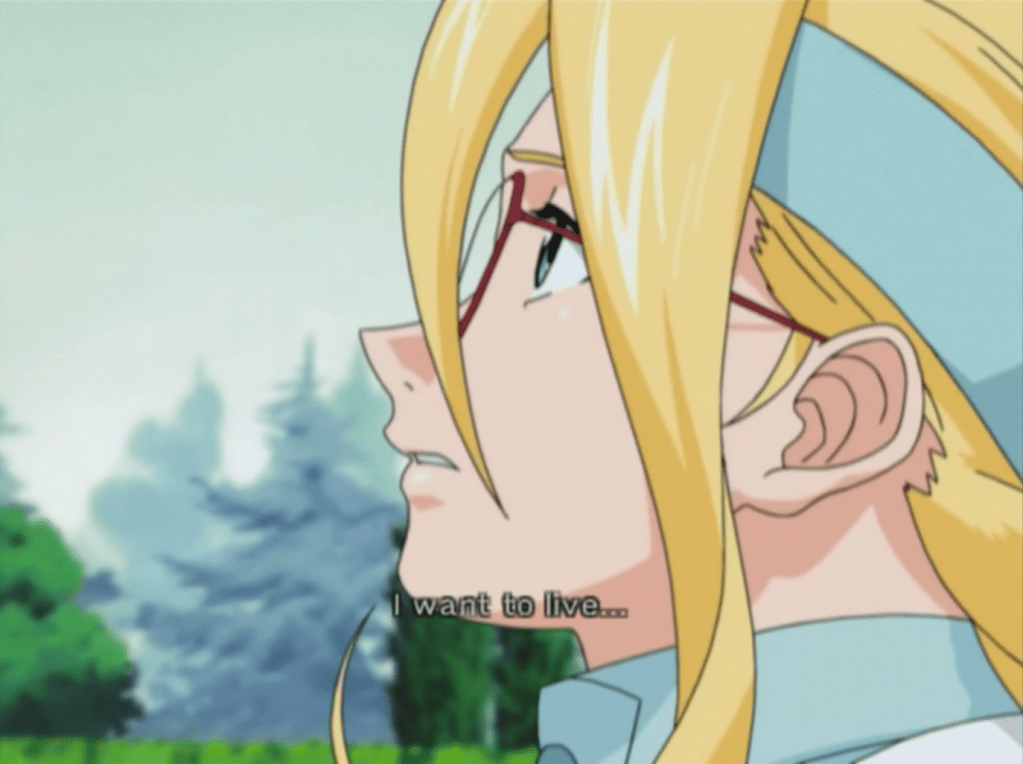
It is definitely a game that requires a bit of patience on the side of the player. You won’t find kindness in these waters until you’ve almost drowned. Once you get beyond that point, however, there is a ton to like. The new cast is vibrant, energetic, and fun to be around. The music is, as always, on point. Sakura Wars V, whether intentionally or not, is a hilarious game. I can’t explain this game without feeling like I just told the best joke in the room to me, myself, and I, and that’s not to the games’ detriment. The best thing that the game gave me is a long term arsenal of out-of-context quotes to drop on unsuspecting friends. This game has some of the biggest tonal whiplashes from text box to text box. From the evacuation of birds to excited studs on breeding day. Sakura Wars V is an endless supply of both out of, and in context gold. Some of the lines did make me question the amount of liberties the translation team took when translating this game. While the previous installments did include a lot of humorous moments ( Sumire’s tactical sewer espionage segments, or her struggles with forces of gravity), this game made it larger than life. The game has some fantastically heartfelt scenes to balance it out a little.
Sakura Wars: So Long, My Love is, not the best entry point in the series for newcomers. Instead I’d recommend 2019’s Shin Sakura Wars, or simply Sakura Wars, for a bit of a warmer welcome. Or I’d turn you to the excellent fan-translation of the first and second game to whet the palete with. I understand why they chose this entry in the series as a starting point for Western audiences, considering the rest of the series is mostly on Saturn and Dreamcast. It provides a clean start for a new audience of a long running series. It does make me wish that the Playstation 2 remaster also got the same treatment to balance it out a little as an extra choice. Sakura Wars V is a good game, with some rough edges, that comes highly recommended though. Where else would you see the Statue of Liberty disco dance to the beat of koi shaped missiles getting launched at an ancient Japanese warlord turned demon? Name one game, I’ll wait. I want to end this review by saying that Gemini and Shinjiro’s ending might be one of the dorkiest and most adorable things in the series.
Happier than a stud on breeding day/10
TanookiChickenAttack is made possible by supporters on Ko-fi. If you enjoyed the review, consider becoming a supporter through https://ko-fi.com/tanookichickenattack

 TanookiChickenAttack