
2026 | Crimson Dusk | PC

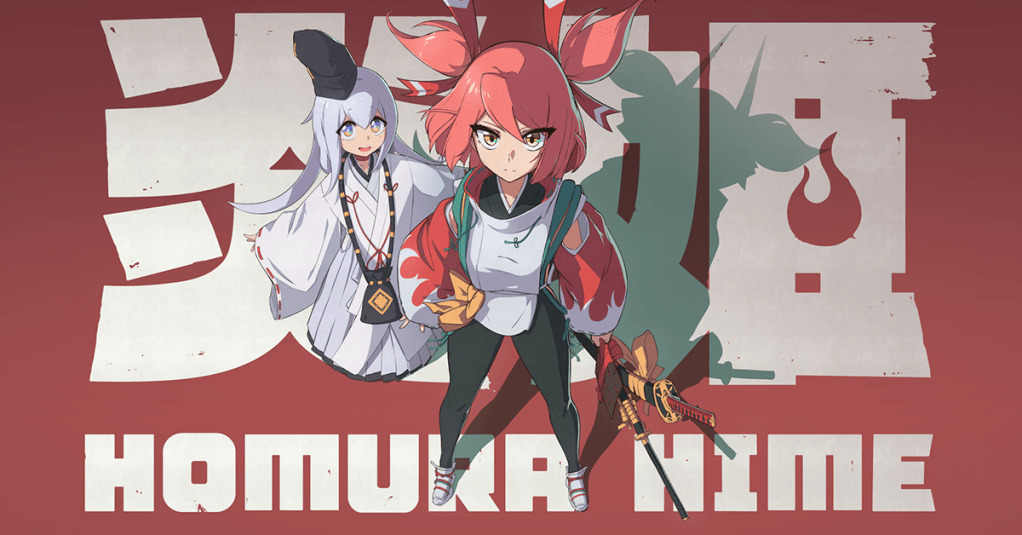
Upon first boot, Homura Hime presents you with a rather calm main menu. In contrast to the striking key art that advertises the game on Steam, the screen lacks color, just a vast white space, with a rather nice track to provide extra ambience. It made me giddy to see what lay beyond it. I first got introduced to Homura Hime through the trailer that released in 2022. The striking anime aesthetic combined with the razor sharp looking action caught my attention. When a friend of mine recommended the game I realized that the release window had snuck up on me, and upon its actual release I immediately jumped on the opportunity to give it a spin. I expected to like Homura Hime, but I wasn’t ready for how much I would come to love it.
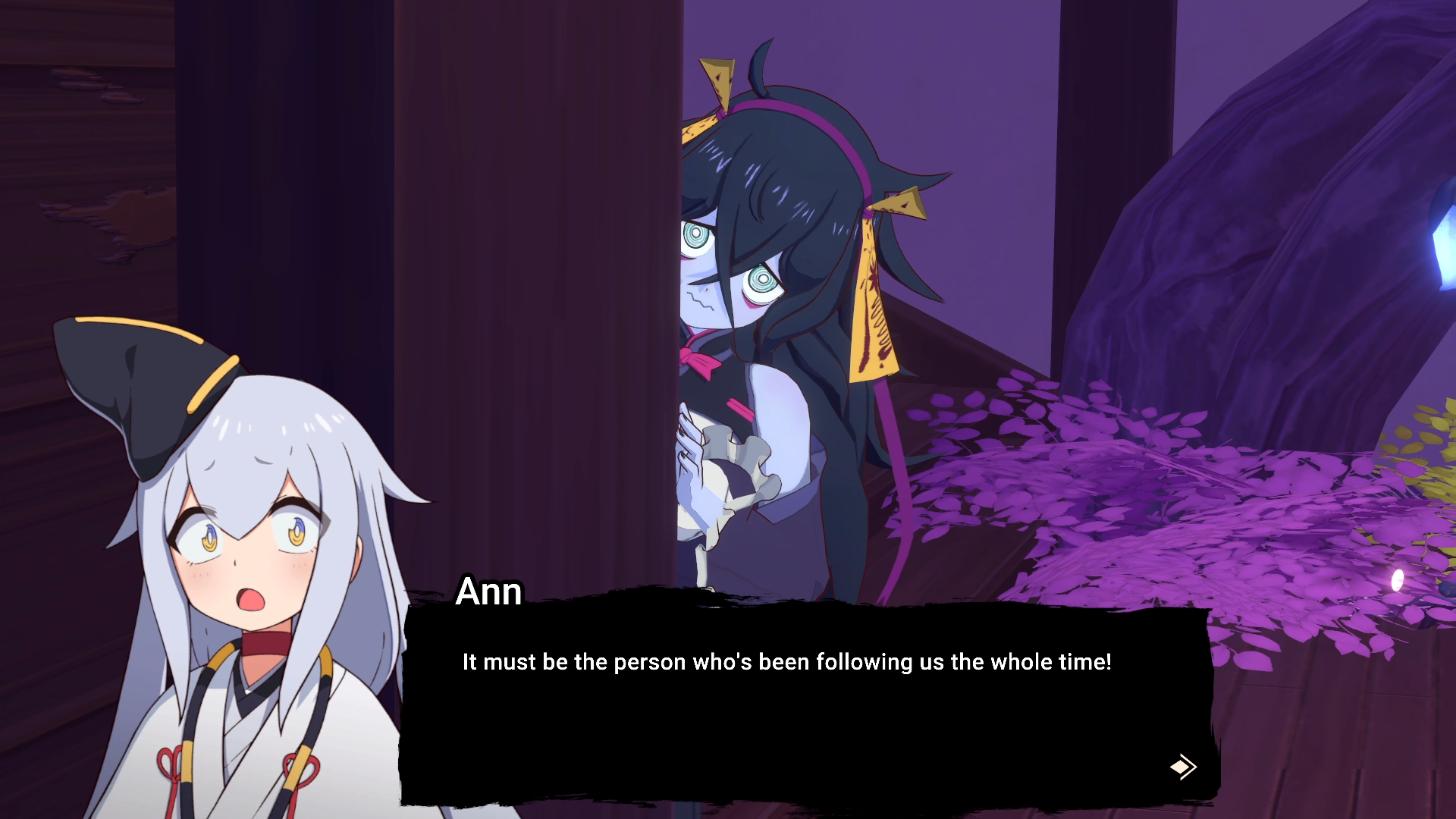
The game starts with a small tutorial covering the basics of the game under the guise of an entrance exam. You play as the titular Homura Hime, or Flame Princess, an exorcist for the Jinguu Organization. The High Priestess has tasked you and your aide, Ann, to investigate numerous archdemons that have been plaguing the land. The first mission has you look into the mysterious disappearance of the citizens of Adashino. Over the course of the last 6 months, over 100 people have been spirited away, which caused an unbalance in the natural order. On the way you uncover rumors of eyes in the dark and giant skeletons that elude to the truth behind the disappearances, as well as a sentient head that bears striking resemblance to the resident shopkeeper, Kushinada. After reaching the top of the shrine we’re immediately attacked by Agasa, a young girl with giant skeletal hands.
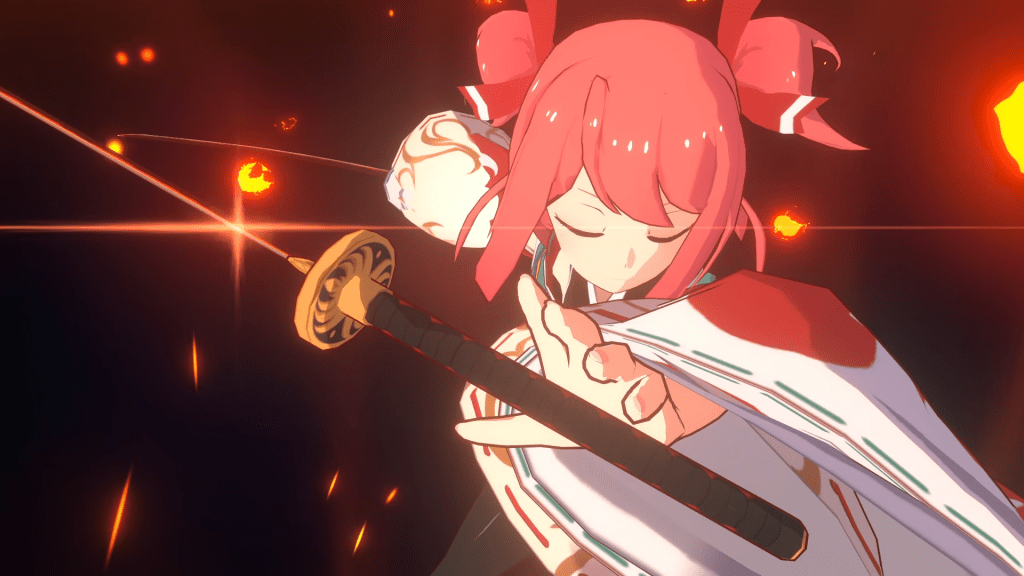
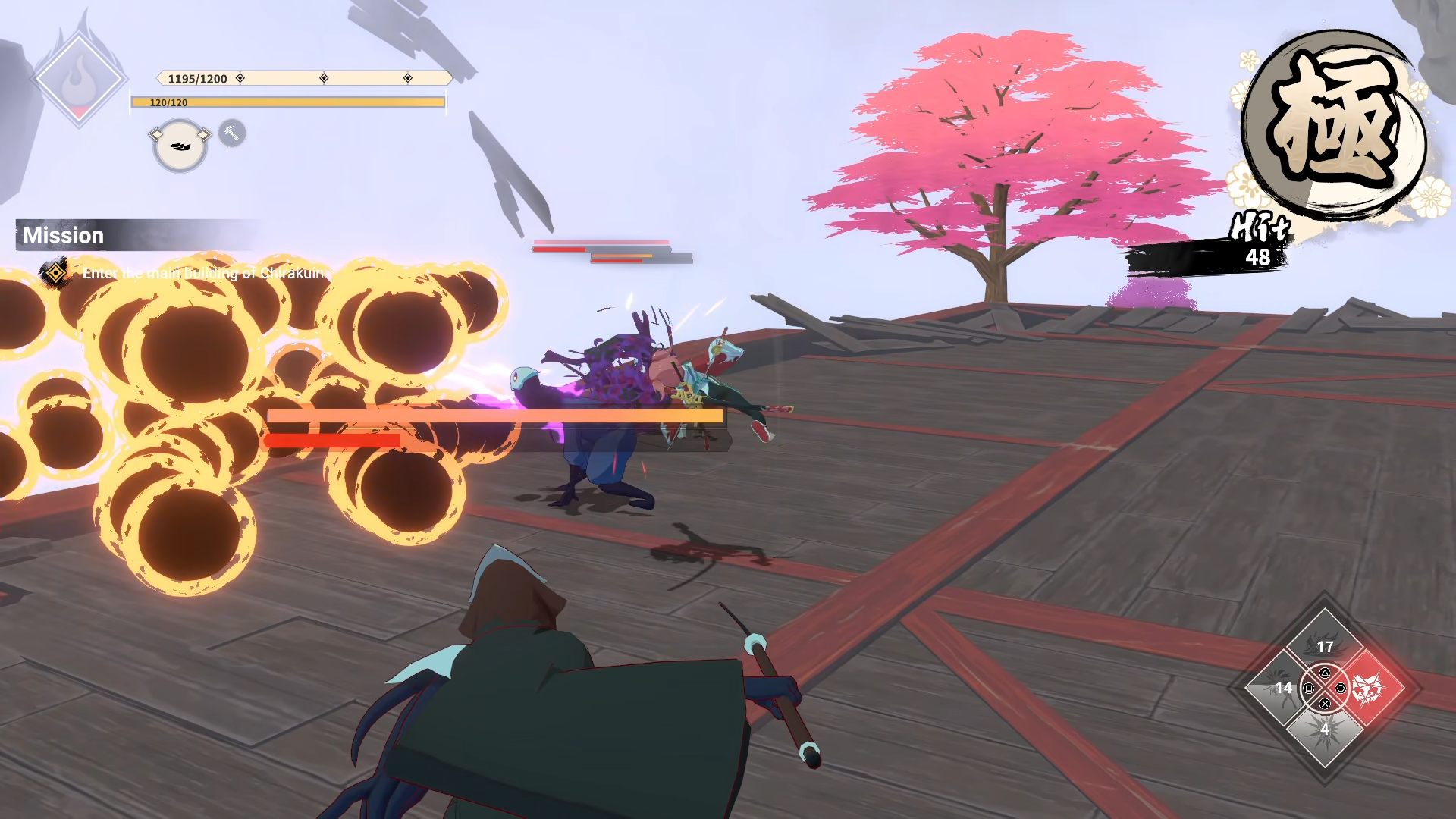
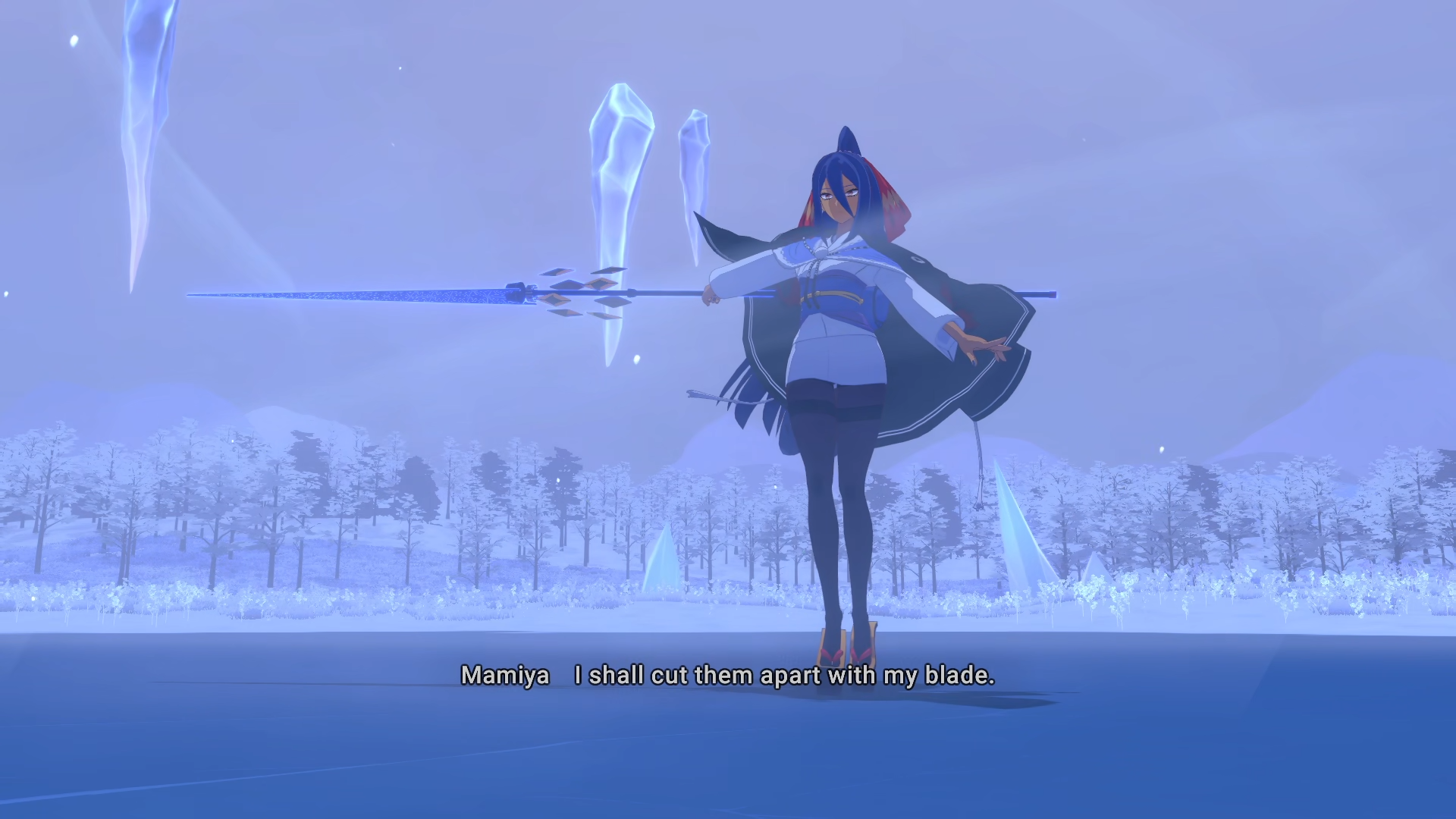
The first boss battle of Homura Hime is an absolute spectacle, and an excellent introduction to the game’s more intricate interactions. It has a natural flow to it that allows you to intuitively start dancing around the attacks thrown your way. Bosses have two bars to deal with, one is their HP bar, which is what you need to deplete to 0, and the other is the stun gauge. If you break the latter, you have a brief window of opportunity to unleash your flashiest and most devastating combos free of charge. Considering this is the start of the game, your arsenal isn’t that expansive just yet, so a few good heavy swings will have to do for now. Each boss also has a signature attack that, when getting hit by, triggers a short cutscene. Alongside this we have a few phase changes to deal with. The first one of a short bullet hell segment, the second is a giant skeletal form. Upon defeating the first form, Agasa uses the giant skeleton in its full form, with the soundtrack getting a good chance to shine. After defeating Agasa, Homura Hime touches the orb that spawned, getting flooded with the memories of the fallen archdemon.
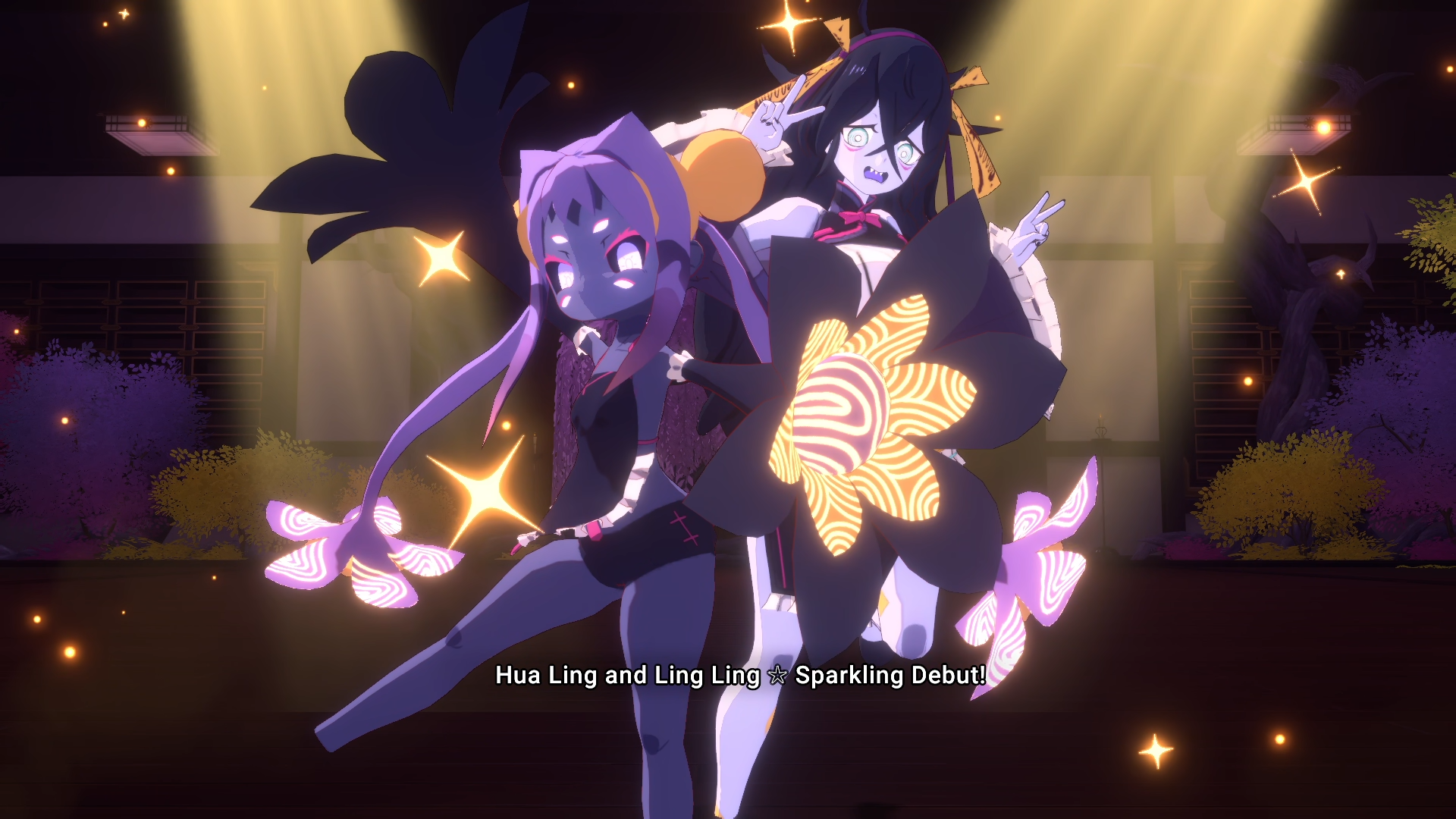
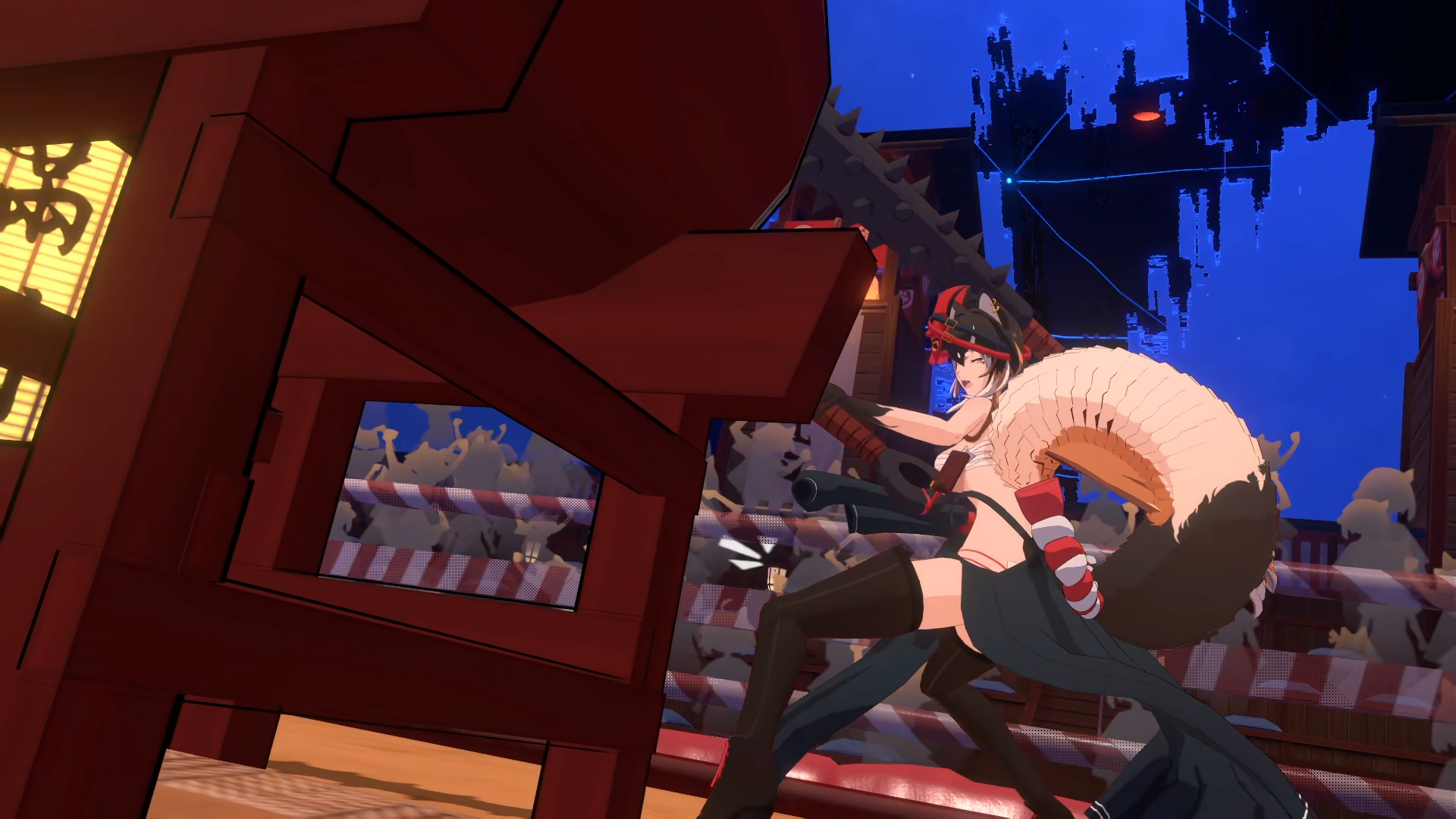
The second case has you visiting a castle, where rumors of the so-called Corpse Princess cause the people to cower in fear. It doesn’t help that the local population has been pollenated into a horde of undead citizenry. Upon reaching the castle we find it overrun with aggressive plant demons. On the top of the tower we find the Corpse Princess herself, Ling Ling, and what ensues can only be described as one of the most gloriously funny fights I’ve ever had the pleasure of playing. Once you get to the final phase of the fight, Ling Ling gets help from Hua Ling, a plant demon. The domain expansion activates and you’re immediately blasted with a face full of the finest Eurobeat, as the game turns into a bullet hell. It feels ridiculously over the top, but just right at the same time. Upon defeating the dynamic duo, we get more glimpses into the memories of the archdemon. Much like with the first fight, there is a sense of wrongness that permeates through the scene, but at this point in time it’s hard to pinpoint what that is. Homura Hime then repeats the sequence of beating a stage and beating an archdemon, until none remain. After defeating all of the archdemons the game surprisingly reaches its midway point, where the story soft resets into its climactic final half.
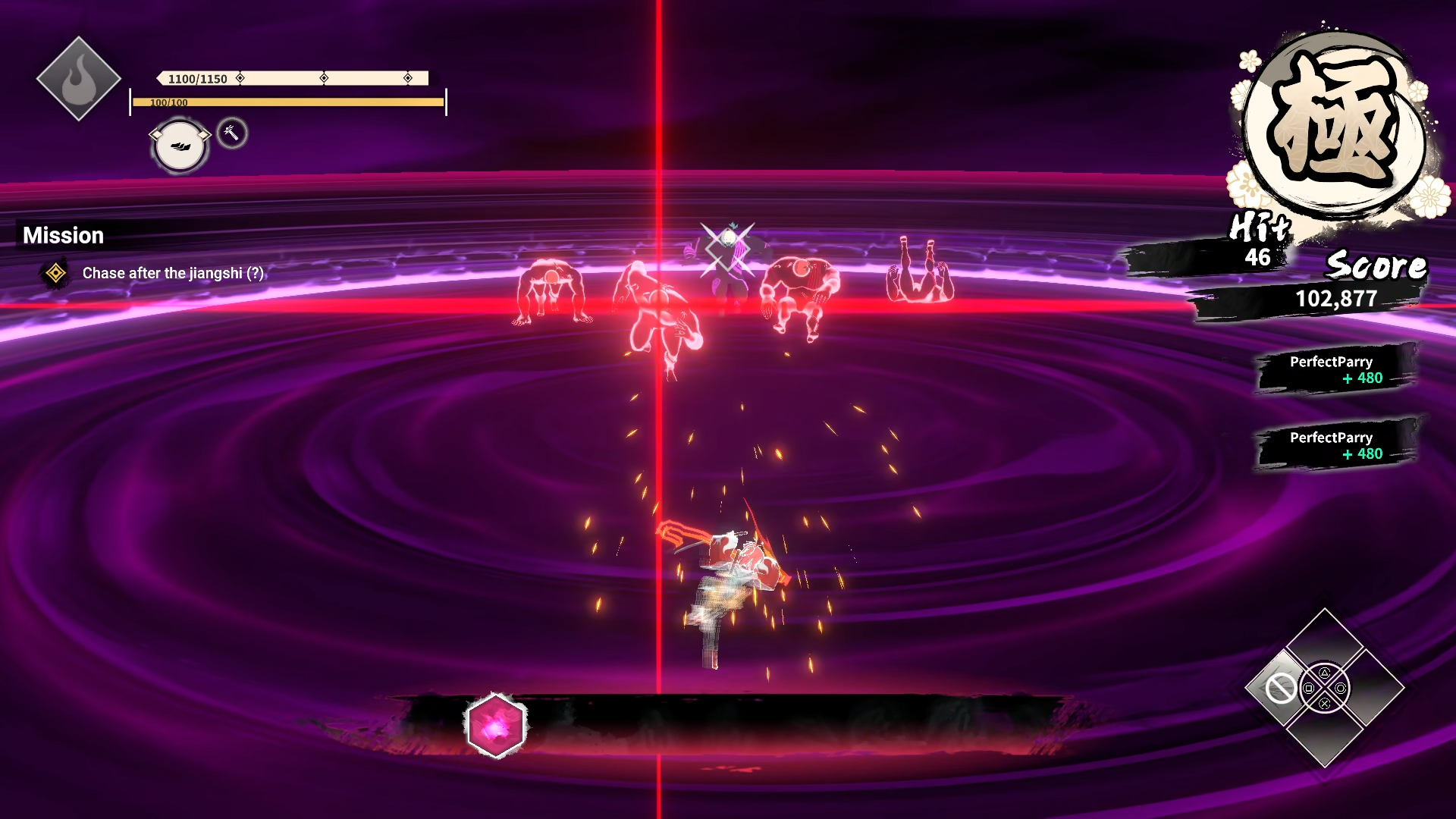
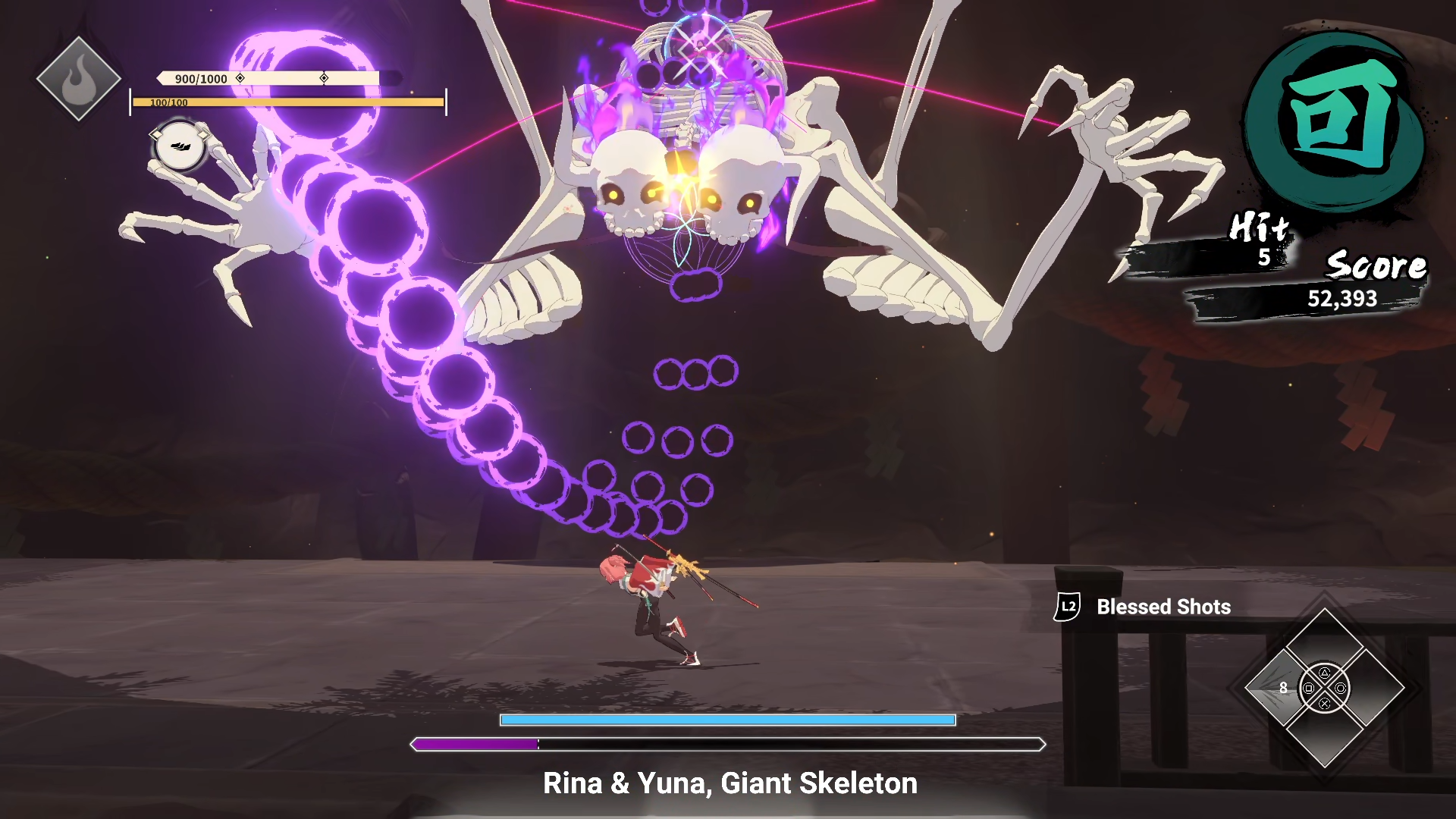
When the story reached its halfway point I got a bit concerned. More often than not games tend to reuse the framework of the first half to reiterate the second. Sometimes they do it 5 times and become the textbook definition of insanity, but that’s just my Drakengard 3 experience speaking. This can cause a game to feel needlessly bloated, and I was afraid that this might quell my enthusiasm towards it. Up until this point I had been doing theory crafting on what was actually going on with the plot, and I was rather excited to see it resolve to see how right I was ( I wasn’t). The game soothed my worries pretty much immediately after the halfway point. Sure, we got a ‘Best of Homura Hime’ run through the story, but the changes were substantial and the stages abbreviated. The bosses in particular reach their pinnacle form. New moves to deal with, faster pacing, and overall more technical fights litter the latter half of the game, which all culminates in one hell of a final boss. It was a pleasant surprise and a massive relief to see the game understand its assignment, and not falter on its execution.
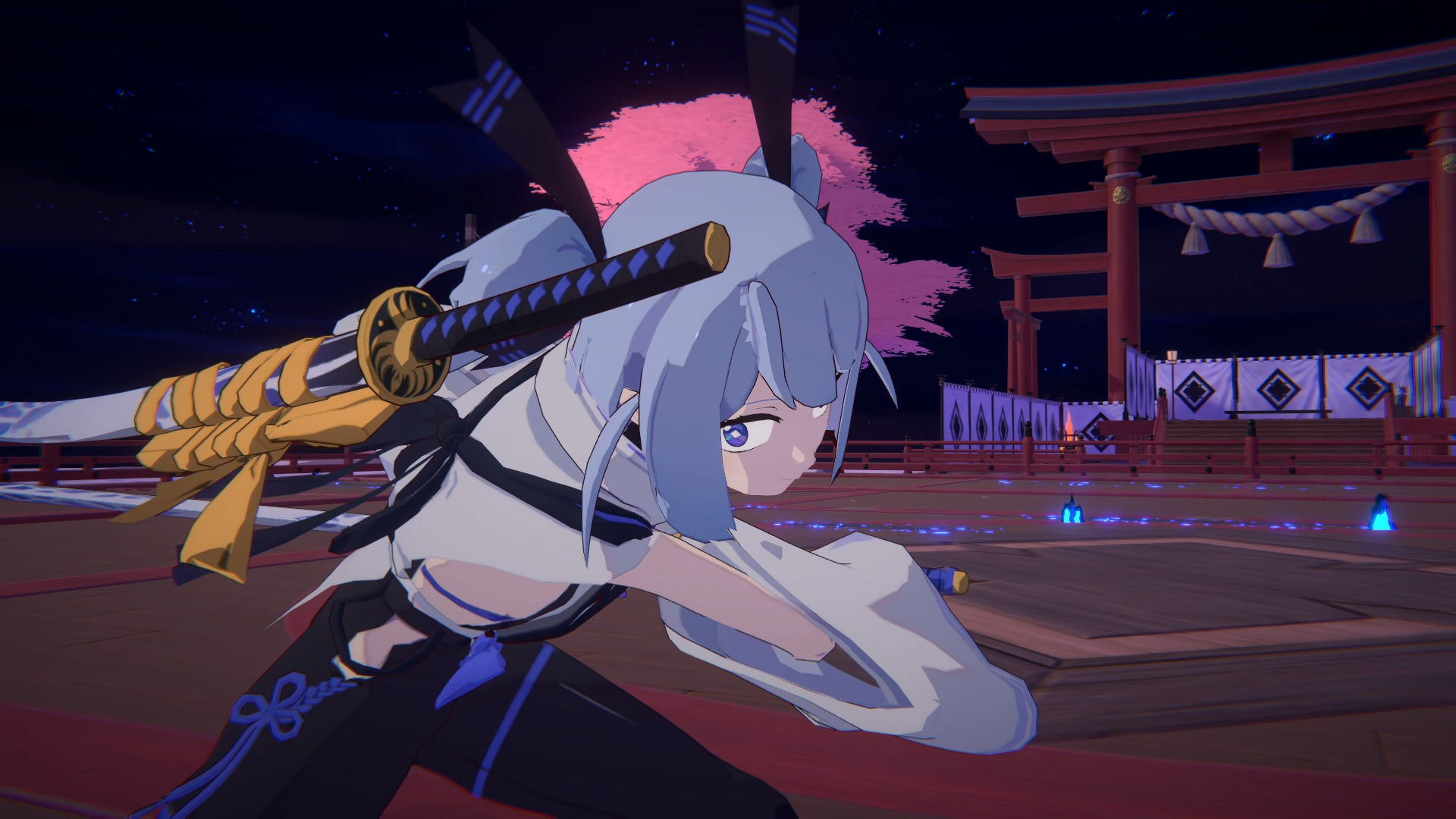
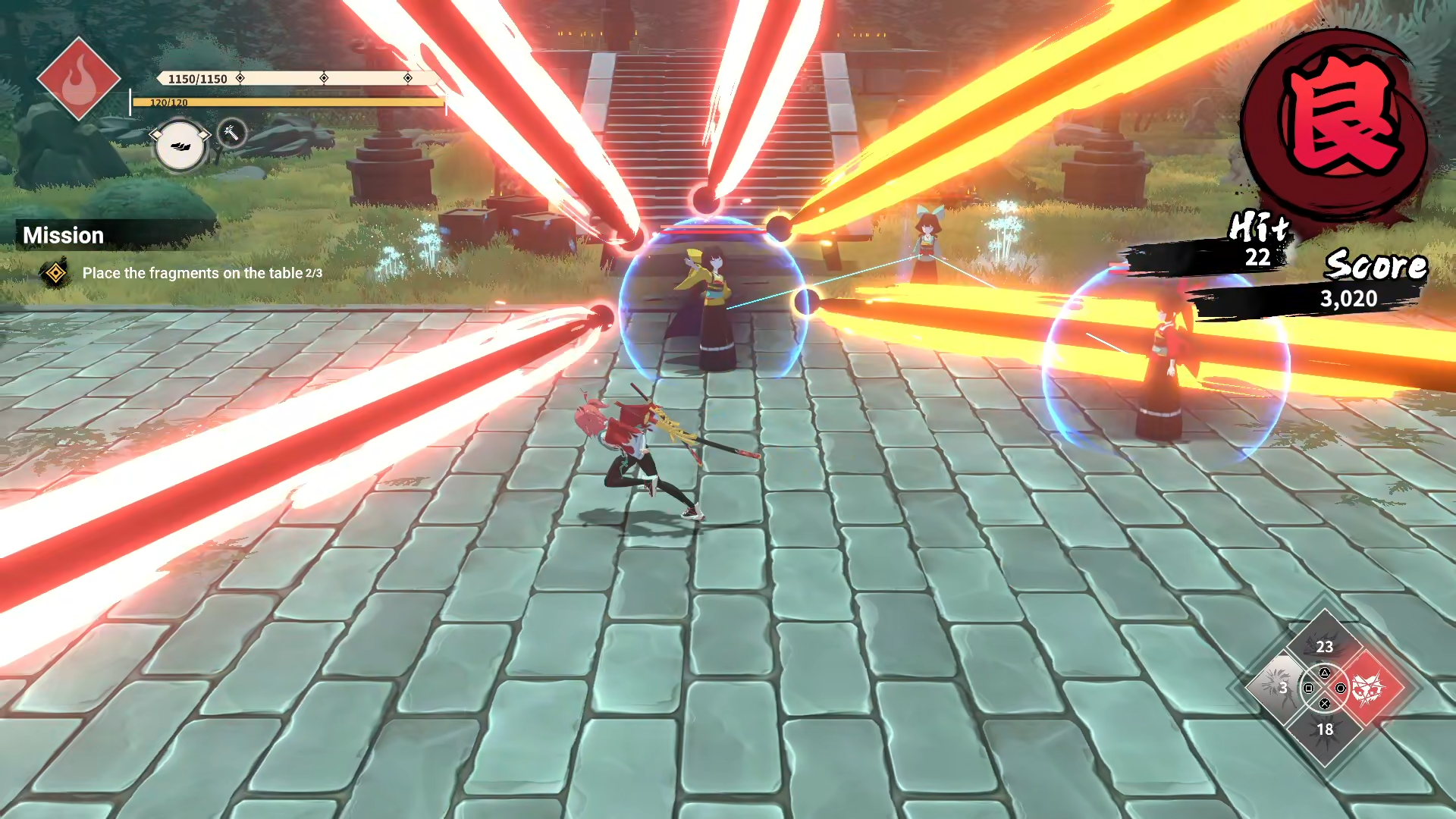
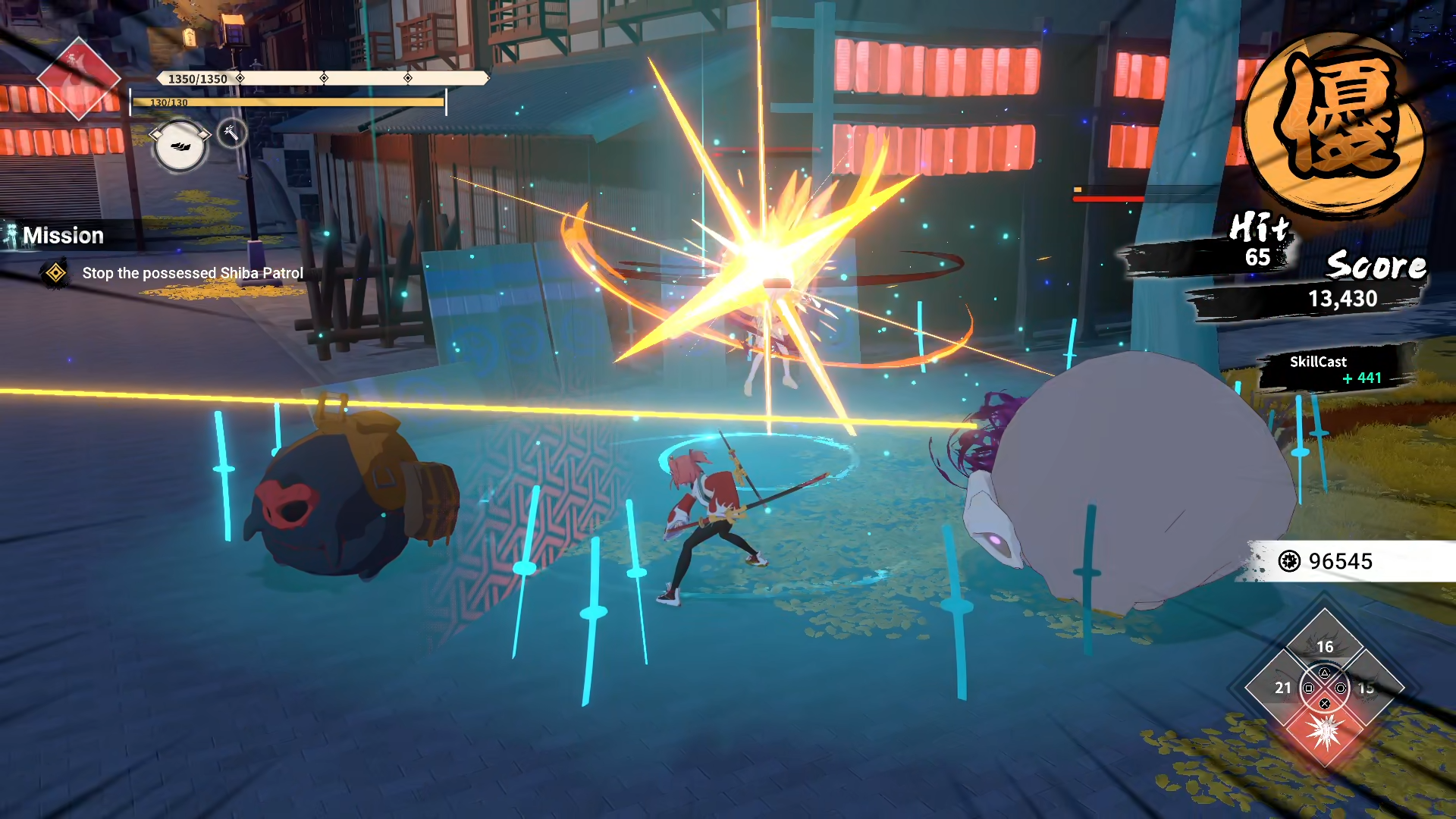
While Homura Hime’s combat may seem hectic on the surface, it applies a few tricks to help you manage the chaotic fights a little better. The core gameplay is centered around you fighting enemies with a combination of light and heavy attacks, that can be combined in specific orders to form spectacular combos. You start out with a few basic combinations, but quickly unlock an arsenal of fancy attack sequences to play around with. These can then be chained together to unleash a whirlwind of flurries with your blades on everything in your path. The game takes a less complex approach to the execution of this, by only using face buttons. That way you only have to remember the order of light and heavy attacks to press. Alongside this you have an Ann shaped gun at your disposal that can fire different types of shots. If an enemy is surrounded by a blue shield, they can only be made vulnerable with Ann bullets. And for the red shields, you just have to hit them really hard.

Instead of a block button, we’ve been given a parry button to fend off attacks. Attacks are generally divided into red and gold, which will be telegraphed by enemies with different chimes. Red attacks can be parried, while gold attacks need to be dodged. You’d think that this would create a confusing, and chaotic mess, but the way Homura Hime uses different chimes makes it rather easy to differentiate the type of attack thrown your way. One of the strongest aspects of Homura Hime’s combat lies in its ability to make overwhelming amounts of things happening on screen digestible. I really appreciate the thought that went into this system. It can be incredibly intimidating and frustrating to learn every enemy pattern, when an attack flies in your direction from off-screen, and you have to respond to it with perfect timing. Instead you can narrow your vision and focus on the target you want to take down, while keeping your ears open for that specific sound.
The parry system also allows you to extend your combos. Or rather a combination of a parry and a dash. Each move in the game can be cancelled with a parry, most moves can be cancelled with a dash. This means that you can shorten specific moves to get some unexpected results. A volcanic smash into the ground that bounces your enemy can suddenly be followed up with an air combo. It did take a bit of getting used to, but the input felt extremely similar to Tales of Vesperia’s manual cancel, in which you press the guard button and then immediately dash out of it to cancel the end of an attack animation. Combos do have a tendency to linger after a successful parry. This is so that you can finish your attacks afterwards. To fully reset takes a bit of extra work. You attack, hit the parry button, dash out of the parry, and immediately parry again for a full reset of your combo path. It opens the game up from having a decent selection of moves to a downright SSS Stylish arsenal of moves to link together.
The bottom line is that the game may seem hectic, but once you’re in control its rather easy to absorb all the information on screen. It’s incredibly satisfying to parry off of a move that comes flying off screen whilst juggling an enemy, only to catch that enemy mid-air again to finish it off. It’s just damn fun to play.
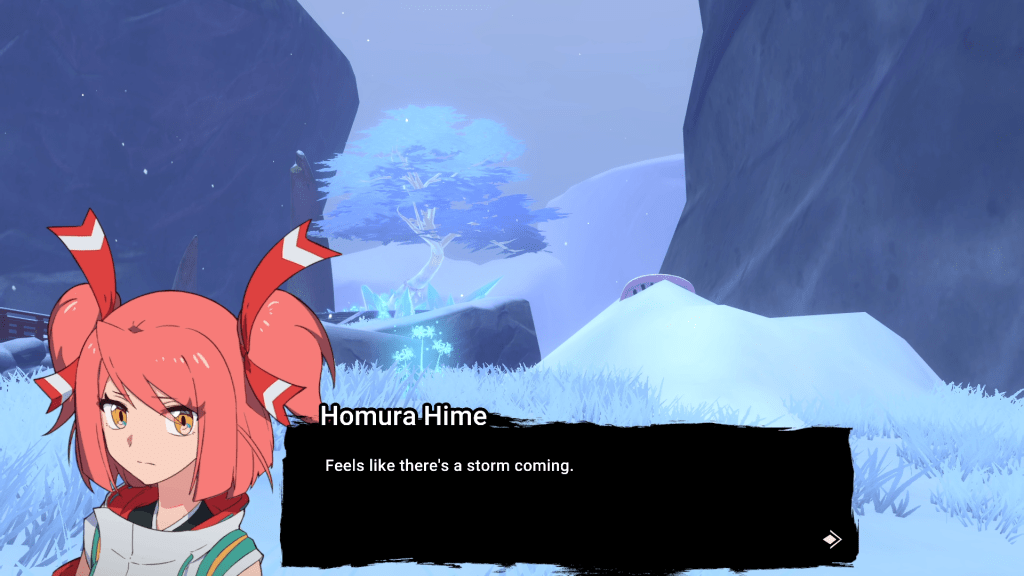
If you weren’t sure about the influence of the Devil May Cry games on Homura Hime’s design after seeing the Judgement Cut gracing your screen with reckless abandon, the devs took it upon themselves to show how deep their appreciation goes. I was dry heaving on the floor from laughter when I found Vergil’s plastic chair buried under a mountain of snow, accompanied by Homura’s most deadpan weather report on approaching storms. Crimson Dusk, if you’re reading this; Bravo!
For their first game, Crimson Dusk definitely set a very high bar. Everything, from art direction, to story telling, and gameplay feels well thought out and cared for. The welcome addition of using specific sounds as a guide through the chaos made the game feel manageable, even at its most intense moments. It also allowed the developers to pull out all the stops in the visual department. The final boss of the game made me just as excited as the first time I watched a universe sized robot fling galaxies at an evil space tyrant like its the grand finale of a Windjammers tournament. It’s anime at its most anime, and I can’t get enough of it. The gameplay has a few nice touches to it that allow players to delve deep into the combo system. The opening hours of the game can feel a bit slow, but once you start to unlock skills and combos from the shop, you’ll quickly find yourself zipping across the arena with demonic limbs flying everywhere.
One of the issues I ran into with the game was that the typesetting and spelling sometimes take a bit of a nosedive. This ranges from a misspelled word or two, a few sentences that raise a few eyebrows, to the text in tutorial boxes bleeding out of their intended screen space. It can lead to some unfortunate hiccups in readability, and had me do a double take every so often to see if I read something correctly. Neither are detrimental to the overall experience, as most of this comes across as something that was missed during proofreading or playtesting. In certain areas of the game the sound sometimes struggled to keep up, causing the audio to stutter and skip. This also happened during a few fights later in the game, where the audio queue for the parry got swallowed by a stutter. I hope to see later patches of the game take care of this. It just needs a bit of spit polish in certain spots.
I really like action games that make you two steps from unstoppable. It’s one of the reasons I love the Tales of franchise and Devil May Cry games so much. There is something about these types of games that scratch a specific itch, and satiates an equally specific hunger. The type of game that fires my one remaining neuron into a dopamine fueled state that makes me forget everything around me for the sake of stylish combos and last minute parries. Homura Hime satisfied this part of me for a good few months. The game manages to condense the complexity of Devil May Cry’s moveset into a more digestible and accessible form. Combos are flashy without the need for complicated inputs.
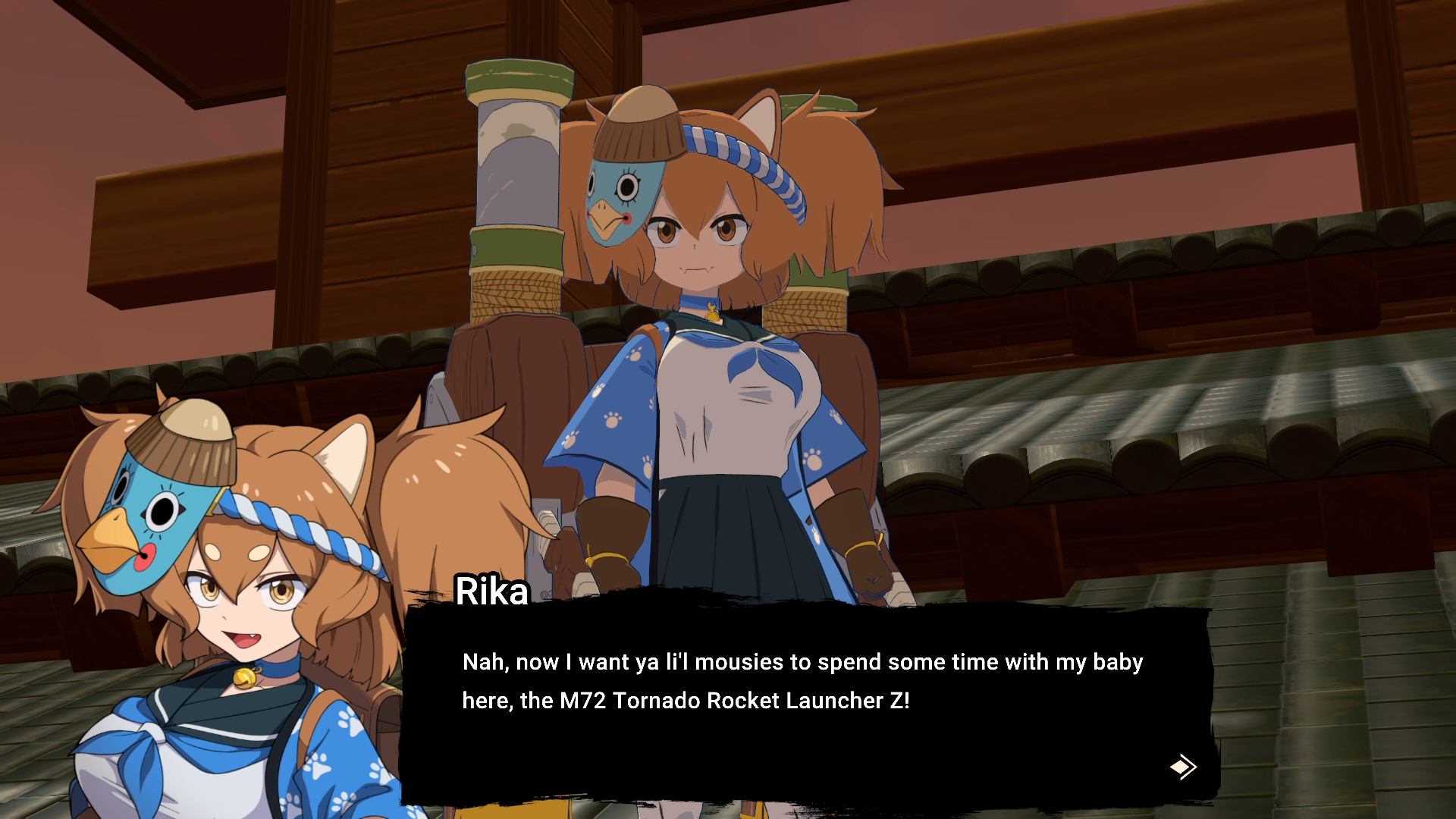
Homura Hime drew me in through its initial trailer, a recommendation from a friend, and a striking key art reminiscent of two of my favorite series (Gurren Lagann, and Kill la Kill), and completely enraptured me with its excellent gameplay, and surprisingly enjoyable story. The characters are well designed and I love the amount of time they get to shine. The bossfights are the main star of the show, providing you with hectic and challenging fights accompanied by an absolutely incredible soundtrack. Where else can you listen to Eurobeat blasting to the sound of battling a plant and a zombie girl doing an idol routine? I expected to like the game, but I didn’t expect to love the game this much. The blend between spectacular combat sequences and calm, atmospheric platforming creates a calm that blankets over the game, allowing you to fully immerse yourself in the game. Add some great character design, stunning art, and a delectable soundtrack to the mix and you got yourself a recipe for a tasty meal indeed. Homura Hime offers an accessible skill floor for those that aren’t too used to combo based spectacle action games, without sacrificing on the strengths of the genre. It’s a gateway drug that opens the way to genre titans like Bayonetta, Nier: Automata and Devil May Cry, whilst proudly taking its place alongside them. I had a really great time playing through this, and since finishing it I have frequently hopped back into the game to go a few rounds against my favorite bosses.
Please make a physical version for consoles with a soundtrack and art book. I have a great need for this. In the meantime you can find Homura Hime on Steam, with a planned release for the Switch 2.
Scraping plastic chair noises/10
TanookiChickenAttack is made possible by supporters on Ko-fi. If you enjoyed the review, consider becoming a supporter through https://ko-fi.com/tanookichickenattack


