
2026 | Koei Tecmo | Playstation 5

This review contains spoilers for the story
While I absolutely adore the Fatal Frame series, my enjoyment of playing the games has always been a mixed bag of equal parts fascination and frustration. One part is deeply invested in the harrowing stories the franchise tells, the other is struggling to keep their patience as a ghost chases me down for the fourteenth time. I’m fairly certain the latter stems from my inability to comprehensively read the description of a blind ghost as I beeline it to the other end of the cave, while my footsteps reverberate through the tunnels like mortar fire on a hot summer day. My understanding of English was questionable at best at the time. The first game in the series has always been a bit of both because of this. As the series progressed through the years, and I finally learned how to read, the games have become some of my favorite horror games to dive deep into. Fast forward to 2026, when Koei Tecmo brings a remake back from the afterlife, remade. With a fresh new design, new and improved gameplay mechanics, and the wonkiest handholding animations on the Playstation 5, Fatal Frame II: Crimson Butterfly Remake brought one of the best installments in the franchise to modern platforms. I was not prepared for the deep dive through the abyssal rabbit hole filled with folklore, spiritualism, and etymology that this game would send me. I’ll try to keep the tangental stuff to a minimum, but the key word is try.
Fatal Frame II: Crimson Butterfly Remake is a remake of a remake of a director’s cut of the original Playstation 2 game released in late 2003 for Japanese and American audiences, and early 2004 for the rest of the world. While the game goes by Fatal Frame these days, the series is known in Japan as Zero, and Project Zero for all my PAL’s. Series’ creators Makoto Shibata and Keisuke Kikuchi returned for the second installment, shortly after the release of the first Fatal Frame game in 2001. The second installment addressed the first games’ more arcade-y feeling aspects and emphasized the horror and story over gameplay. It quickly became the face of the franchise, praised for its bleak narrative and deeply unsettling atmosphere. The franchise saw a big revival on modern platforms with the remaster of Fatal Frame: Maiden of Black Water, and (for the first time in English) Fatal Frame: Mask of the Lunar Eclipse. Koei Tecmo announced the remake of Fatal Frame II: Crimson Butterfly in late 2025, with a release date set to early 2026. The most likely reason for this particular entry being remade was that it was simply the safest bet to try to test the waters with. The remake adds a few new story elements, renewed gameplay, new collectibles, as well as a massive visual overhaul of the entire game. Minakami Village has never looked this great, or felt this dreadful.
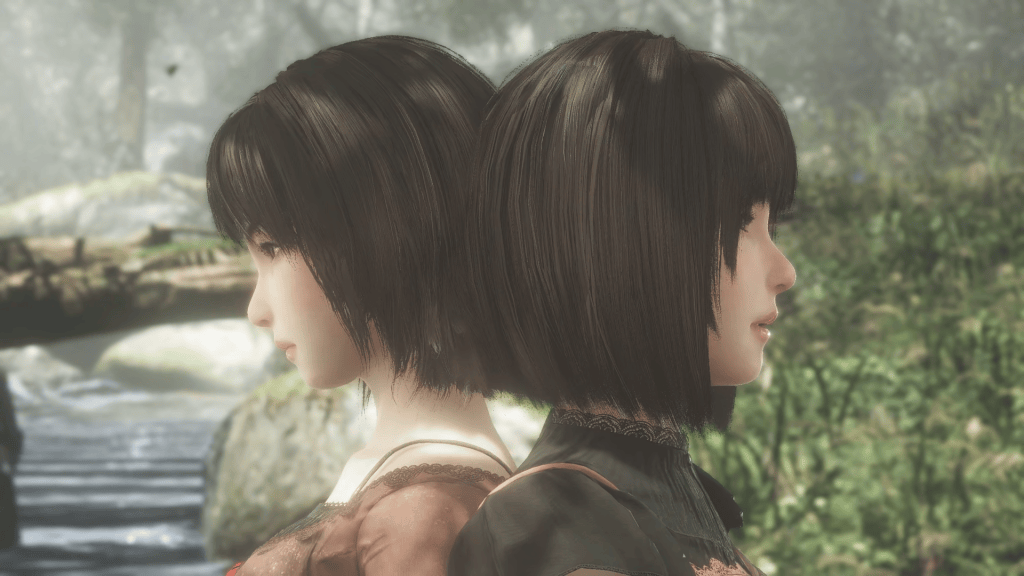
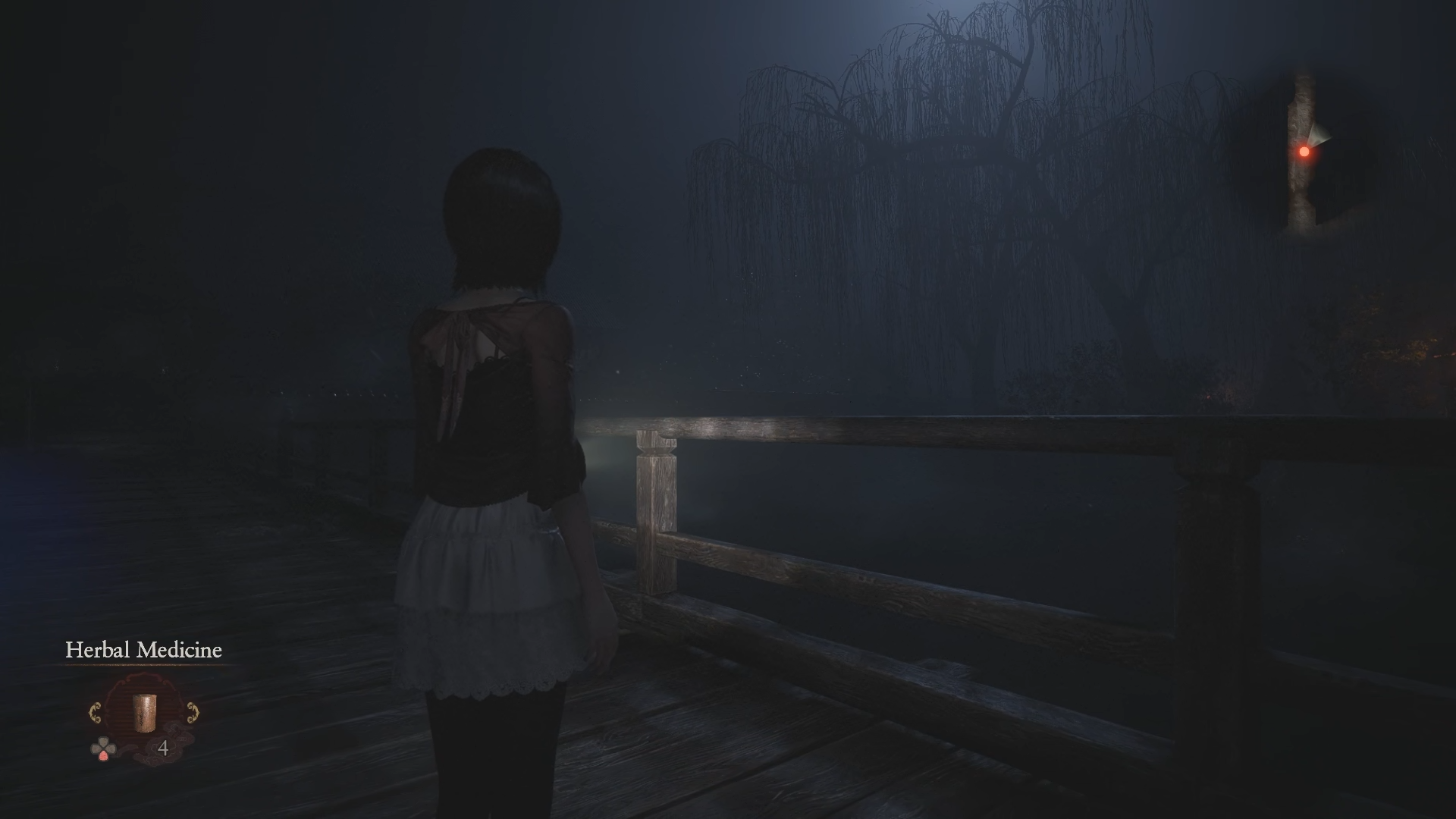
The game opens with our protagonist Mio and her twin sister Mayu reliving old memories at their childhood play spot. After a glowing butterfly flutters by, Mayu starts chasing it without Mio noticing until she has vanished behind the trees. Frantically following after her sister, Mio passes a Jizo statue that marks the border of Minakami village, and is suddenly thrown into nighttime. As she catches up to her sister, grabbing her shoulder, the figure of Mayu changes. A girl of similar height and complexion, wearing a ceremonial garb, turns around and vanishes. We’re left alone on a dark forest path. With no other choice remaining, and the path back mysteriously blocked off, Mio heads further into the forest, eventually arriving on the side of a cliff overlooking a mysterious village. Here she sees her sister enter one of the houses. Without hesitation Mio rushes to the building, and upon entering we get the first proper bits of Fatal Frame II: Crimson Butterfly.
The story of the Crimson Butterfly is a layered experience, that allows its player to determine how invested they want to get. At the heart of the game is a story about a deeply spiritual village, where an abnormal amount of twins are born. The village stands on a network of tunnels. In the center of this web lies a perfectly square hole of unfathomable depths. Bound by the whims of the darkness that lies beyond, Minakami Village lives in fear of this Abyss and the Repentence it may bring upon them. To appease this Hellish Abyss, the village performs The Crimson Sacrifice Ritual every few decades. After an instance of the ritual fails, the town is erased from existence, doomed to swallow up anyone daring to get close enough into a cycle of eternal night. After Mio passes the twin Jizo statues in the forest, she crosses the boundary that separates reality from nightmare, and both her and Mayu are doomed to wander the village alongside its past tense inhabitants.
I really enjoyed the slow pace of the story. It gave me the time to investigate the optional bits and pieces scattered throughout the village to form a clear picture in my head. There are a lot of synchronicities that form clear intersecting and parallel running narrative threads with a lot of cool themes to explore. The series has always leaned heavily in the direction of Japanese folklore, and this really shines with Crimson Butterfly. The added side stories add a bit more depth to the story, and while it still ends in inevitable tragedy, there is a new ending for those willing to challenge the games’ higher difficulties.
There are a lot of interesting references peppered throughout series that I’ve stumbled upon when delving deeper into the story aspects of the game. In particular surrounding the name changes over in the west. The Fatal Frame title refers more towards the gameplay in the series. Whenever you take a photo at the last second, you get a Fatal Frame. It gets the point across from the title alone, but also allows room for interpretation. Is it a direct reference to the game mechanic? Yes! Could it also reference catching ghosts on camera? Also yes! The original name for the series, however, is Zero. While the series predominantly uses the romaji for zero on the covers of the games, the word also roughly translates to rei, or 零. The cultural significance of rei is a bit of a rabbit hole on its own. One which I’m woefully underqualified to dissect. However, in the context of the Fatal Frame series it refers to nothing, or rather nothingness. The word rei, or 霊, can also refer to spirit or soul. With the game mostly being about the restless spirits of humans, it references Yūrei (幽霊), roughly translated to faint soul, usually used for ghost or apparition. With the third installment, The Tormented, having a protagonist named Rei, the Fatal Frame games return to Zero. The series is littered with stuff like this, and it’s a fascinating subject that I might cover in the future.
Then why did we go with Project Zero in Europe? I honestly have no idea. My best guess it that it lands closer to the original, while trying to sound mysterious. Either way, back to the review.
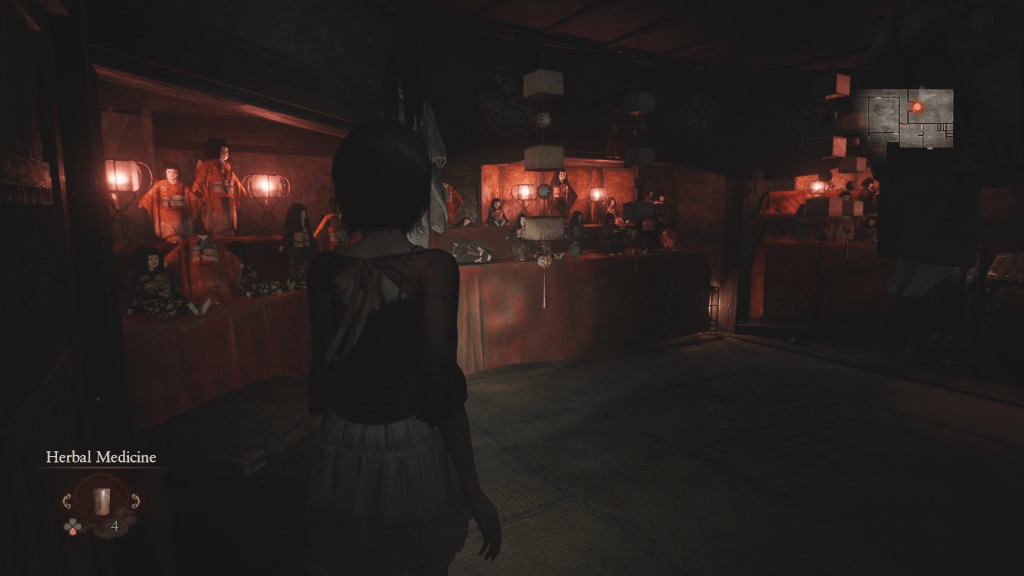
The horror genre has always been a constant tug of war, pushing the tension to a certain limit and releasing it at the right time. I always equate it to a rubber band being pulled. Pull too hard and the rubber band snaps, losing its form. Pull too little and there isn’t enough tension. Horror games tend to work a similar way. You build up tension through atmosphere and then release that tension by finding an effective way to scare the player. The balance of this is one of the things that games in the genre tend to struggle with. Either the rubber band snaps early on, or something replaces the atmosphere with frustration. For me, the first Fatal Frame game is an example of the latter. The second half of the game emphasizes the gameplay over the atmosphere and replaces the tense, dreadful vibe of the game with a series of boss battles.
Fatal Frame II understands this concept a lot better and applies it to an impressive degree. Minakami Village provides a harrowing backdrop for the game. Its small streets and deeply interwoven houses give the impression of a living labyrinth, haunted by the ghosts of its former inhabitants. The spectral revenants feel like they belong in this village and offers a deeper layer of immersion. Each ghost you find is tied to the story to some degree. If you dig deep enough you can sift through the madness of Minakami village, and find the stories behind them. The story of the twins, whose destiny was to die at the hands of one another, a journalist looking for answers only to find the deepest circles of hell staring back in answer, a tragic tale of love and hope tumbling down a cliff and dooming an entire village. Crimson Butterfly sprinkles the breadcrumbs of tragedy throughout the village, and the more you find, the more your hunger for answers is satiated.
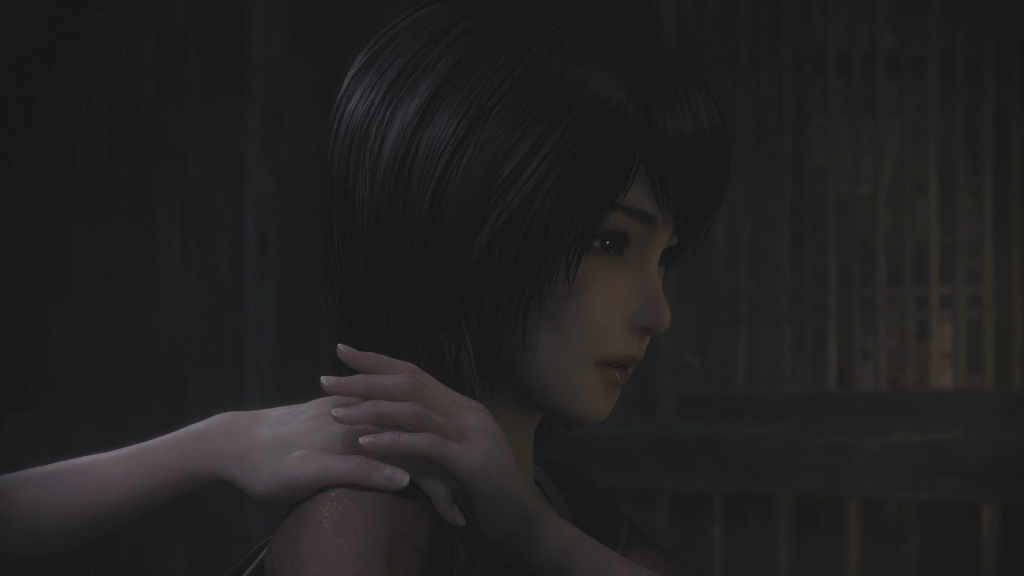
Fatal Frame II isn’t a loud type of scary. It is a quiet melancholy that permeates through its story, setting and characters. A palpable sense of confusing dread that strings the answers to questions together with new questions, while reality around you seems to want to vacate you from it. This quiet dread is something that I’ve always adored about the series. While the gameplay on lower difficulties becomes the equivalent of Rorschach’s “You’re locked in here with me” line from the Watchmen movie, the tension never quite leaves the game as a whole. The village itself feels hostile and wrong, wearing the cataclysmic events of the failed ritual as infected scars bared for everyone to see.
The whole game was like a puzzle to solve. Why were Mio and Mayu drawn to the village? What were the parallels between the twins and the Crimson Ritual? The little bits of information drip feeding the player through notes scattered around the village made me want to explore every bit of it.
The remake introduces quite a few changes to the original that help streamline the experience quite a bit, without sacrificing on what made the original so good. The controls have undergone some changes, allowing for smoother feeling gameplay. However, a lot of the movement and animations still feel like they’ve been taken straight out of the Playstation 2 version. While the controls are modernized, the rigidness of moving around is still present. I like the fact that it didn’t deviate too much from this. My favorite horror experiences are often accompanied by control schemes that are designed to fight the player a little. This creates a feeling of never quite being completely in control, which adds to a sense of helplessness when engaged in stressful or scary situations. It enhances the immersion of the game, rather than detracting from it, as long as the game maintains a decent balance in the aforementioned rubber band principle.
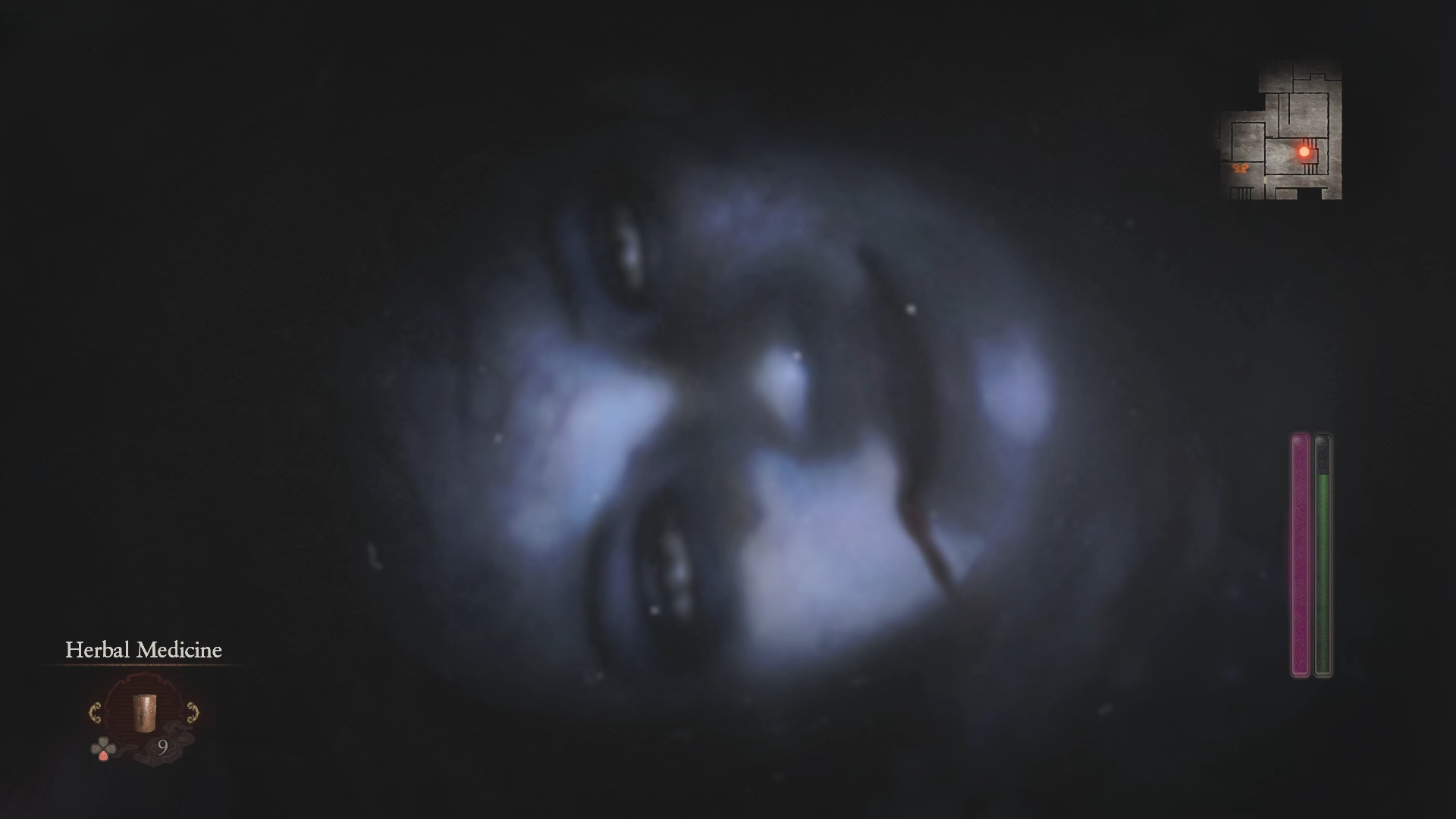
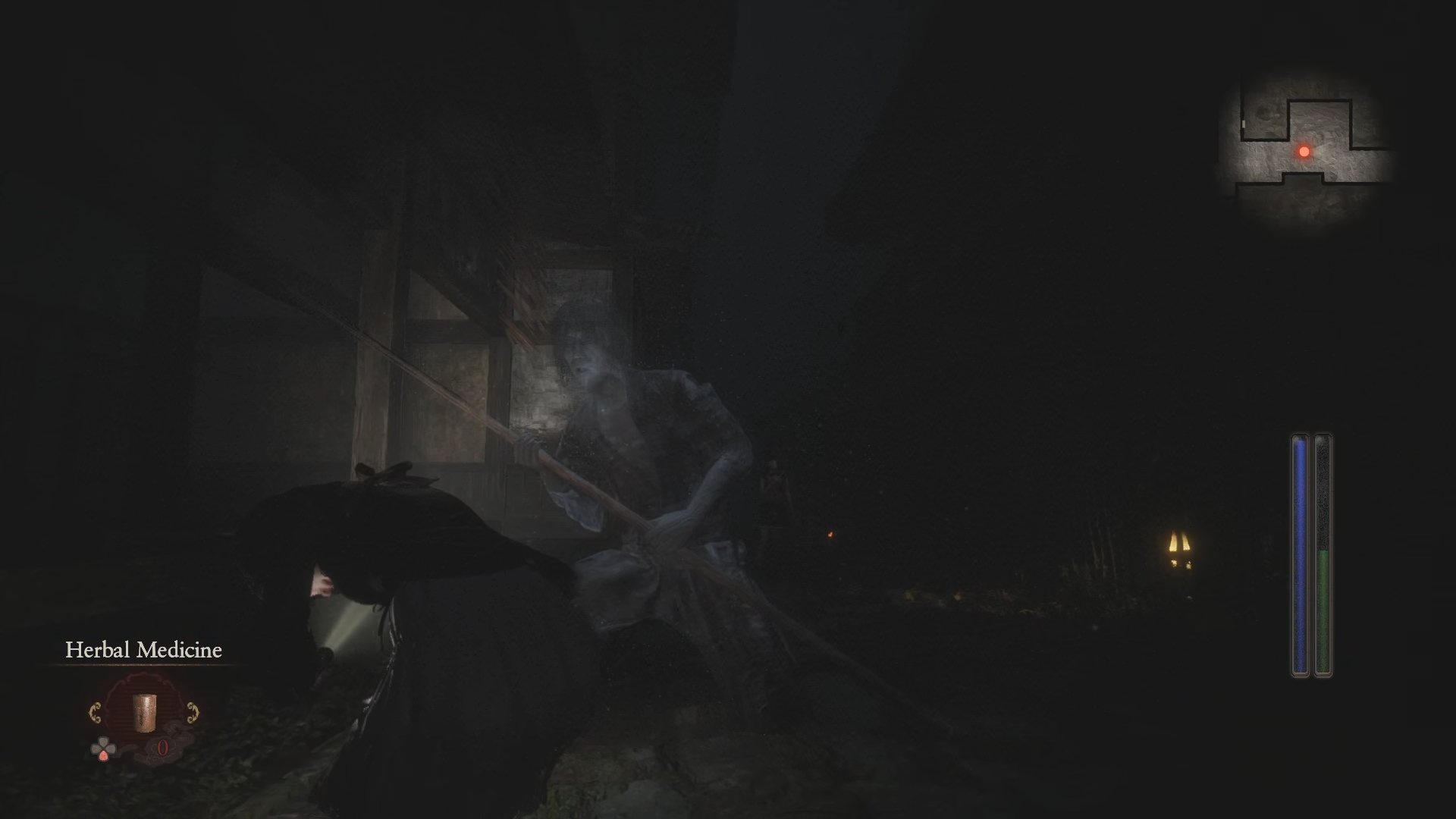
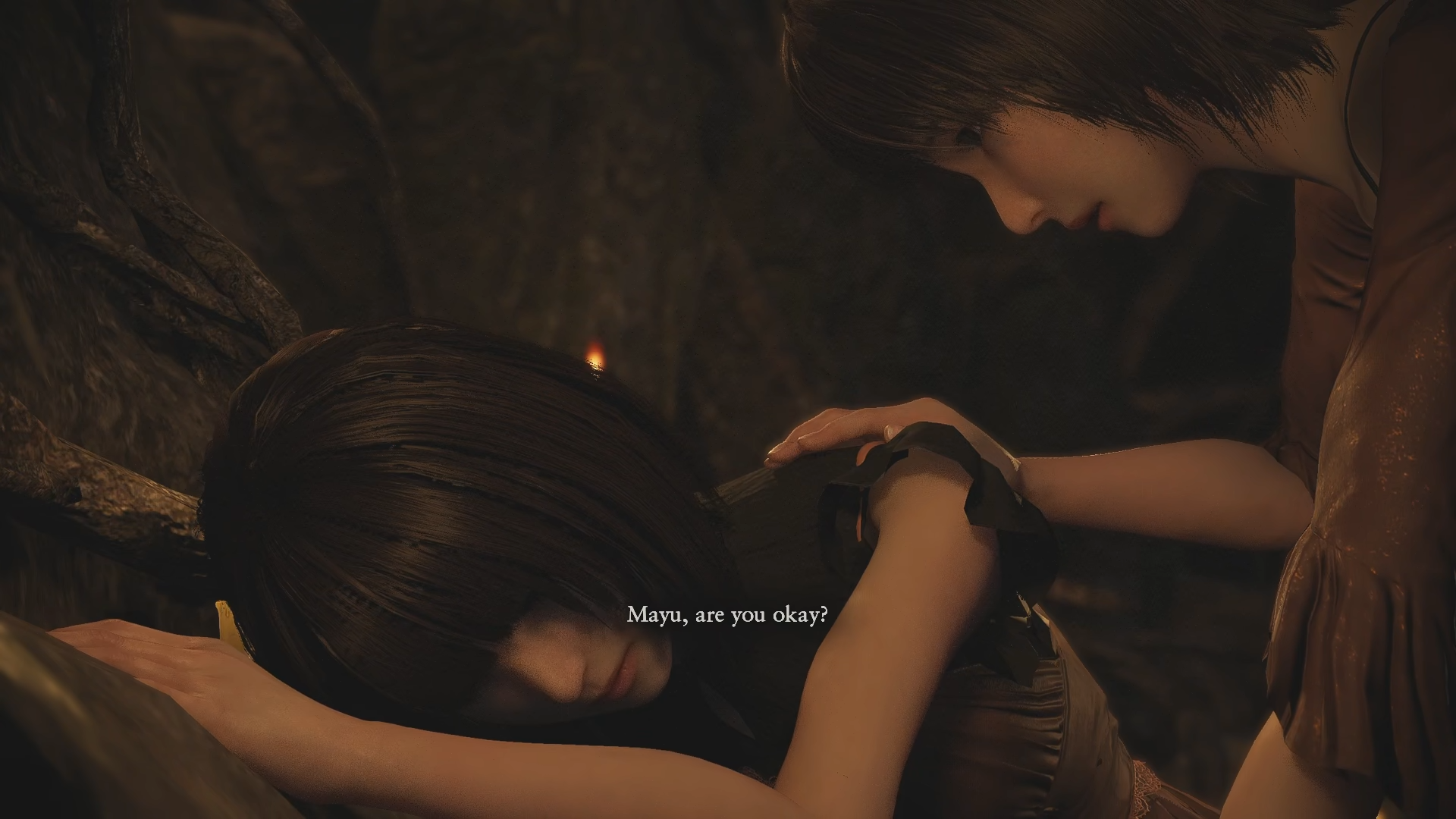
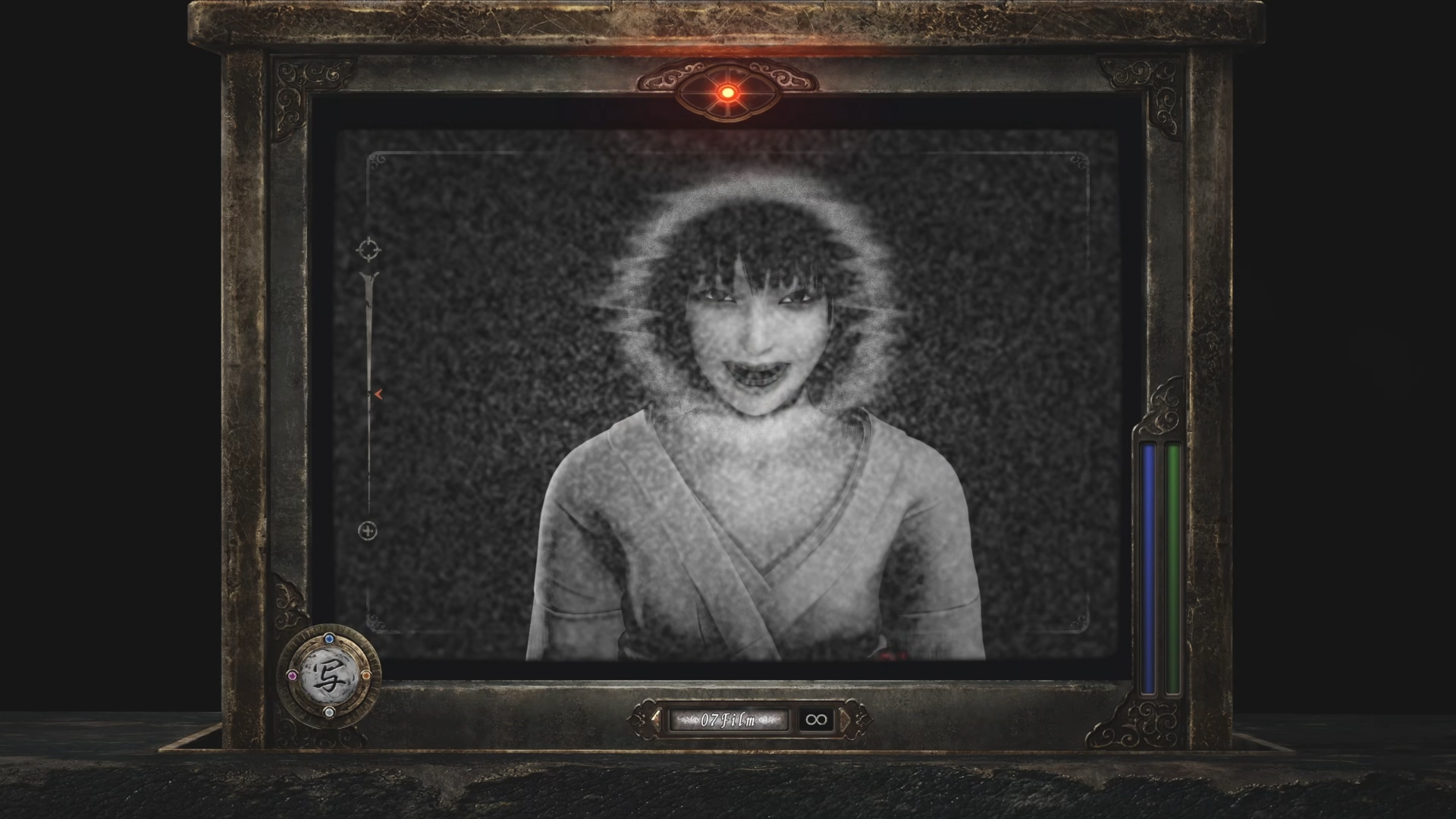
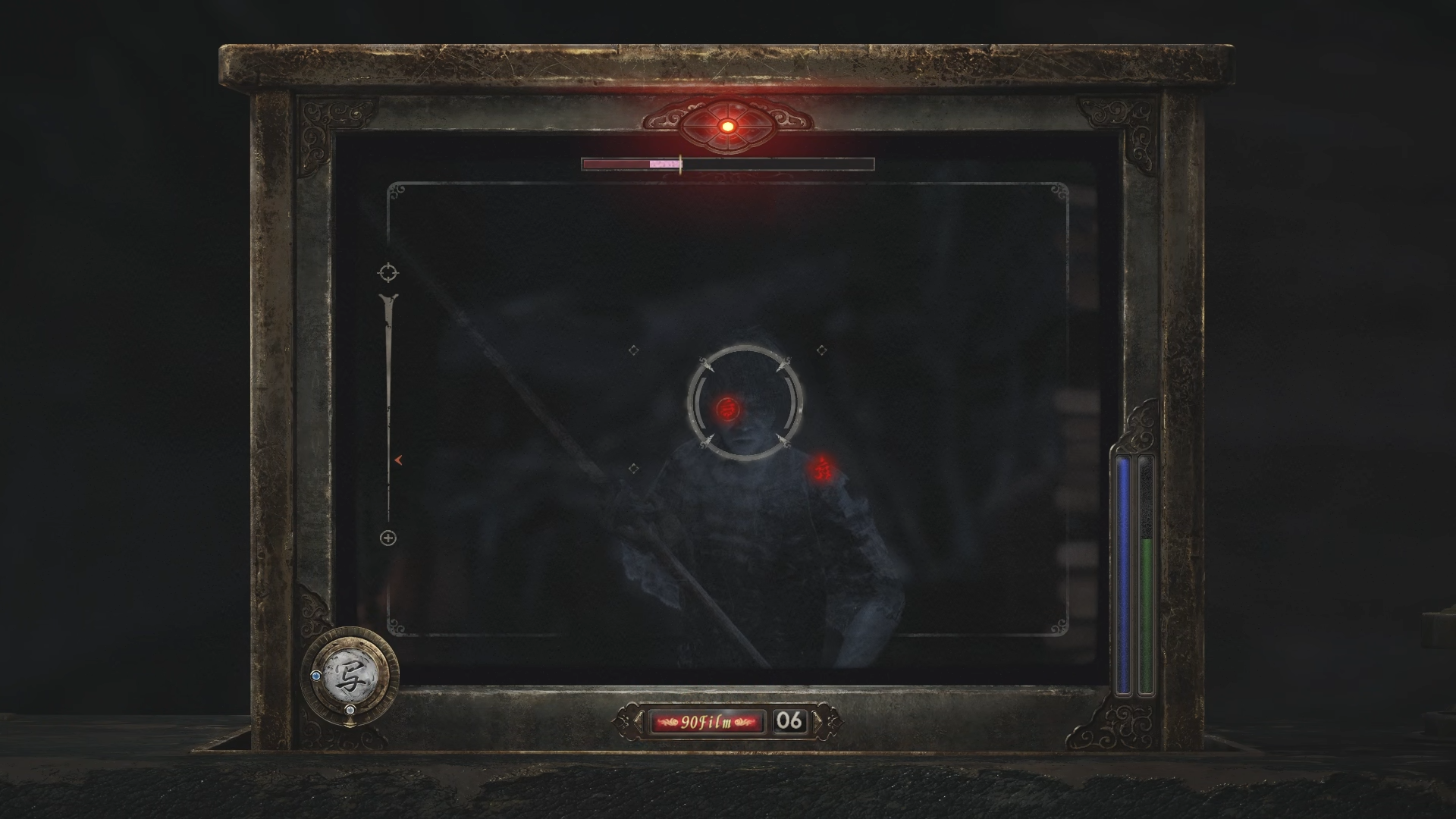
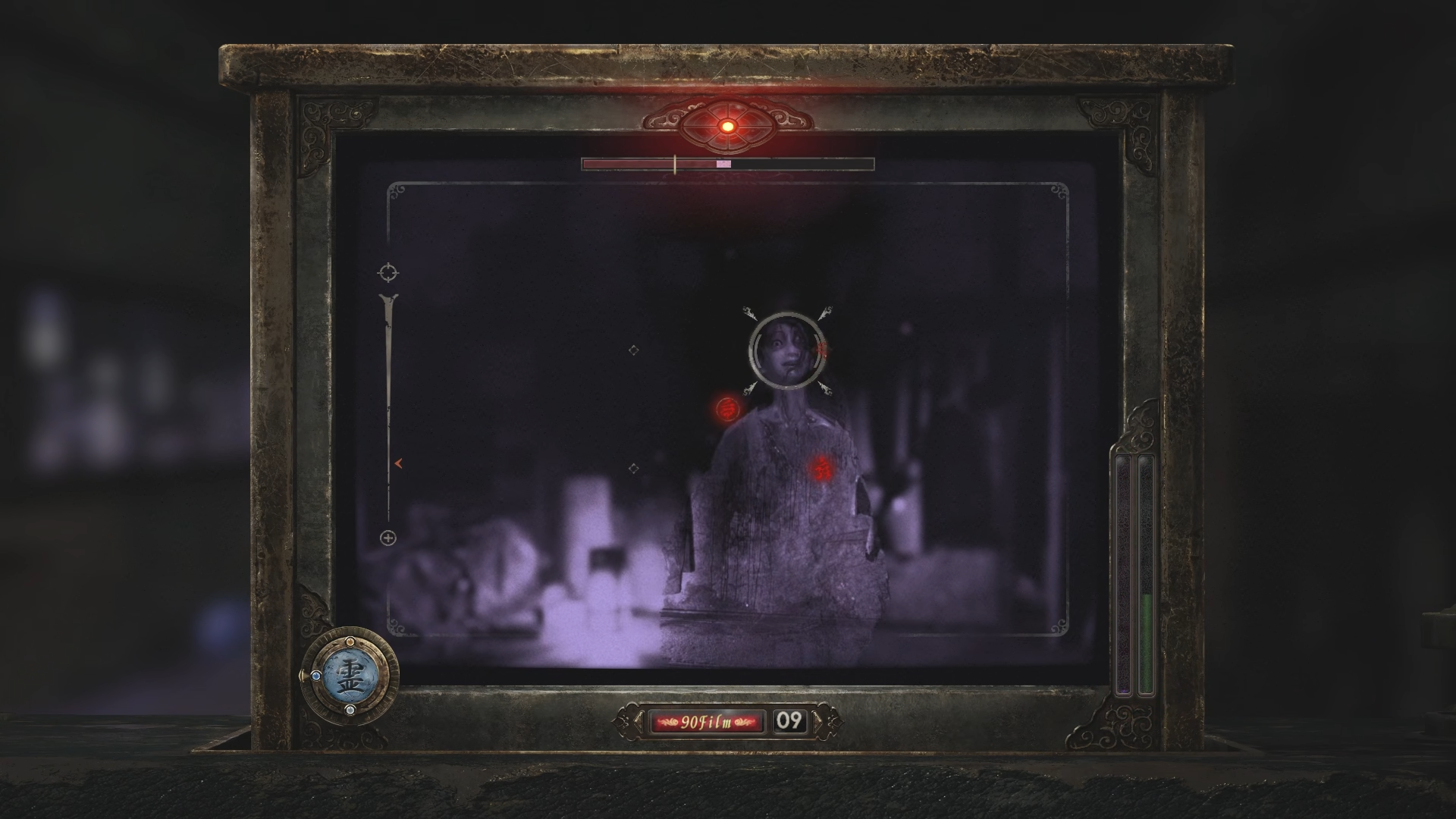
You might experience feelings of helplessness, but you are far from defenseless. The signature Camera Obscura returns in Fatal Frame II. This old camera allows you to damage ghosts by taking photos of them. Simply aim the camera and press the shutter button. While the baseline is relatively easy to get used to, you’ll quickly notice that you aren’t doing a lot of damage. Your damage is based on how many points of focus you have in focus, as well as your timing. If you snap a picture right before an attack hits you’ll get a Fatal Frame, dealing critical damage to the entity in frame. This window of opportunity is accompanied by a loud noise to indicate it. If you get enough Fatal Frames the ghost will recoil, giving you a Shutter Chance. During Shutter Chance you’ll be able to rapidly take pictures with Fatal Frame damage. The closer you are to getting hurt the more chances you’ll have to dish out large quantities of damage. You also have different types of film that you can load into the camera, with varying effects.
The default Type-07 film doesn’t deplete, but does the least amount of damage, however, Type-14 film will deal more damage and reload faster, but these come in limited quantities. After that we have the Type-61 film, which charges slow, but does massive damage, and the Type-91 which loads really fast, and does more damage than the Type-14. The penultimate film roll is the Type-0, or Zero Shot. These do incredible amounts of damage, but also take the longest to charge. With these film types you can strategize around the different behaviors of the spirits of Minakami Village. I found the Type-61 to be quite effective against large groups, or the priests in particular. It functions as a shotgun that blasts the spirits away from you, allowing you to maneuver around them. There’s a fair bit to learn surrounding the behavior of the spirits, and finding the right tool for the right ghost is an intuitive and satisfying process.
The Camera Obscura can be upgraded using prayer beads that you’ll find scattered around. This will upgrade things like attack power, reload speed, etc. It also allows you to get specific upgrades for the various filters that you unlock throughout the game. These filters allow you to see spiritual memories, traces of ghosts, and places locked behind a curse. Each upgrade path offers unique abilities and unique tools to help expand your photographic arsenal. At the start of the game you’ll feel fragile, vulnerable, but by the end of it I was running around large groups of spirits like a game of Demon Tag, blasting them apart with rapid fire Type-61 shots. I wasn’t locked in the room with them, they were locked in with me.
Your ghost capturing capabilities don’t detract from the deeply embedded, dreadful atmosphere that permeates through every pore of this game. In contrast to earlier games, Crimson Butterfly never quite lets you completely become at ease in Minakami Village. Once you’re used to the wandering villagers, you’ll find yourself chased by the Kusabi. An indestructible spirit. This changes the game from a shoot and run to a hide and seek. The intensity of the threats you face runs in parallel with the intensity of the story.
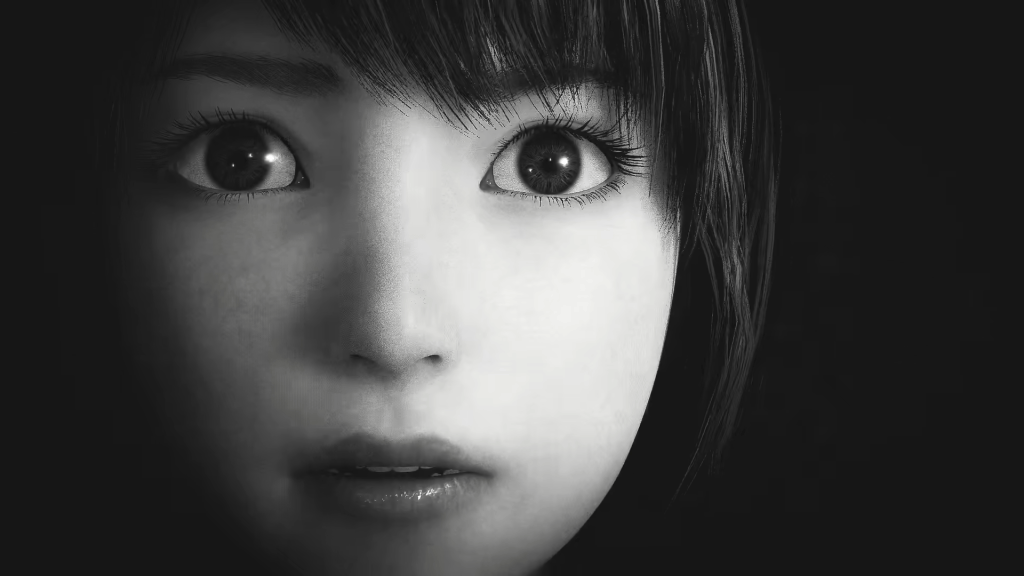
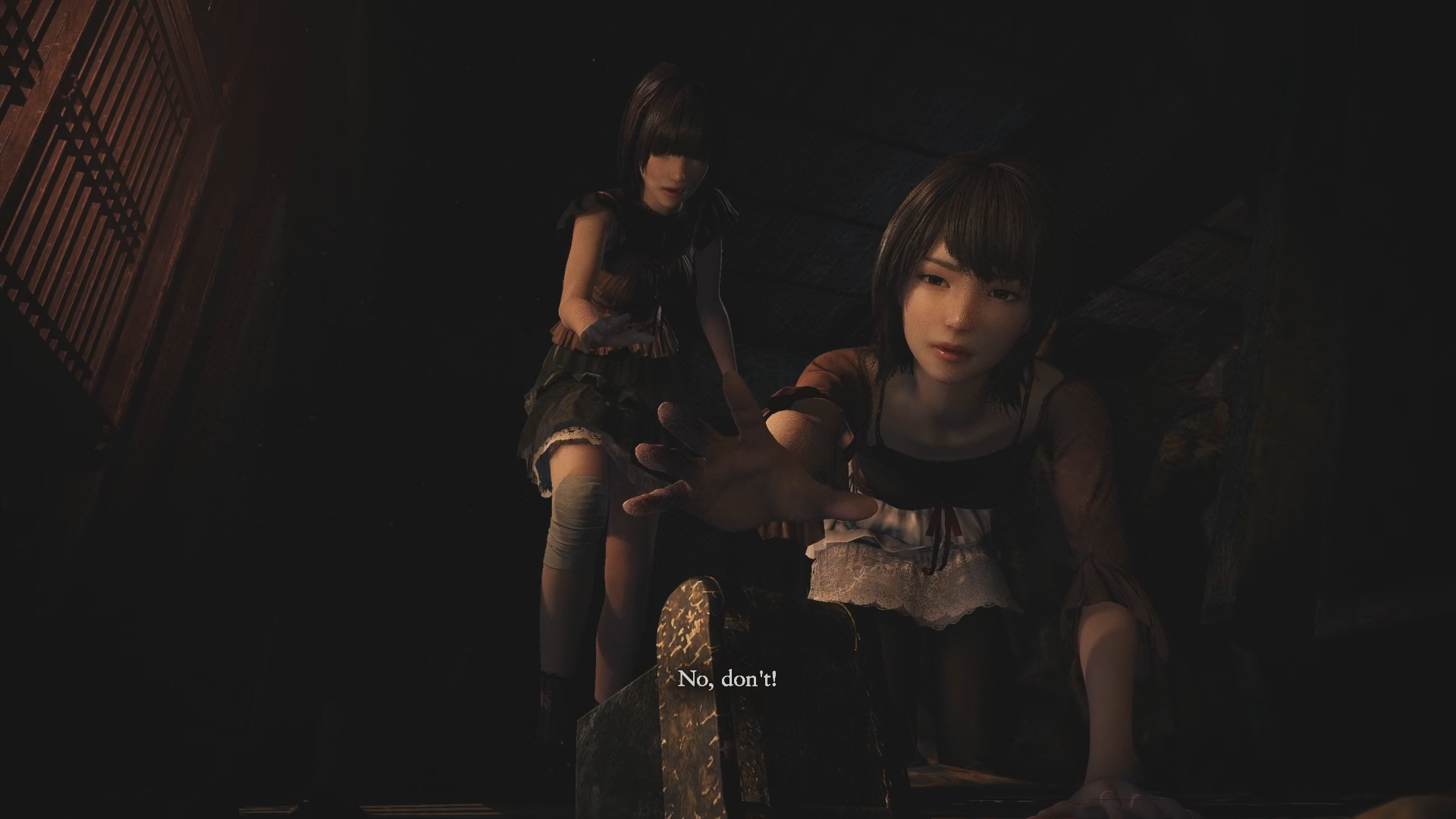
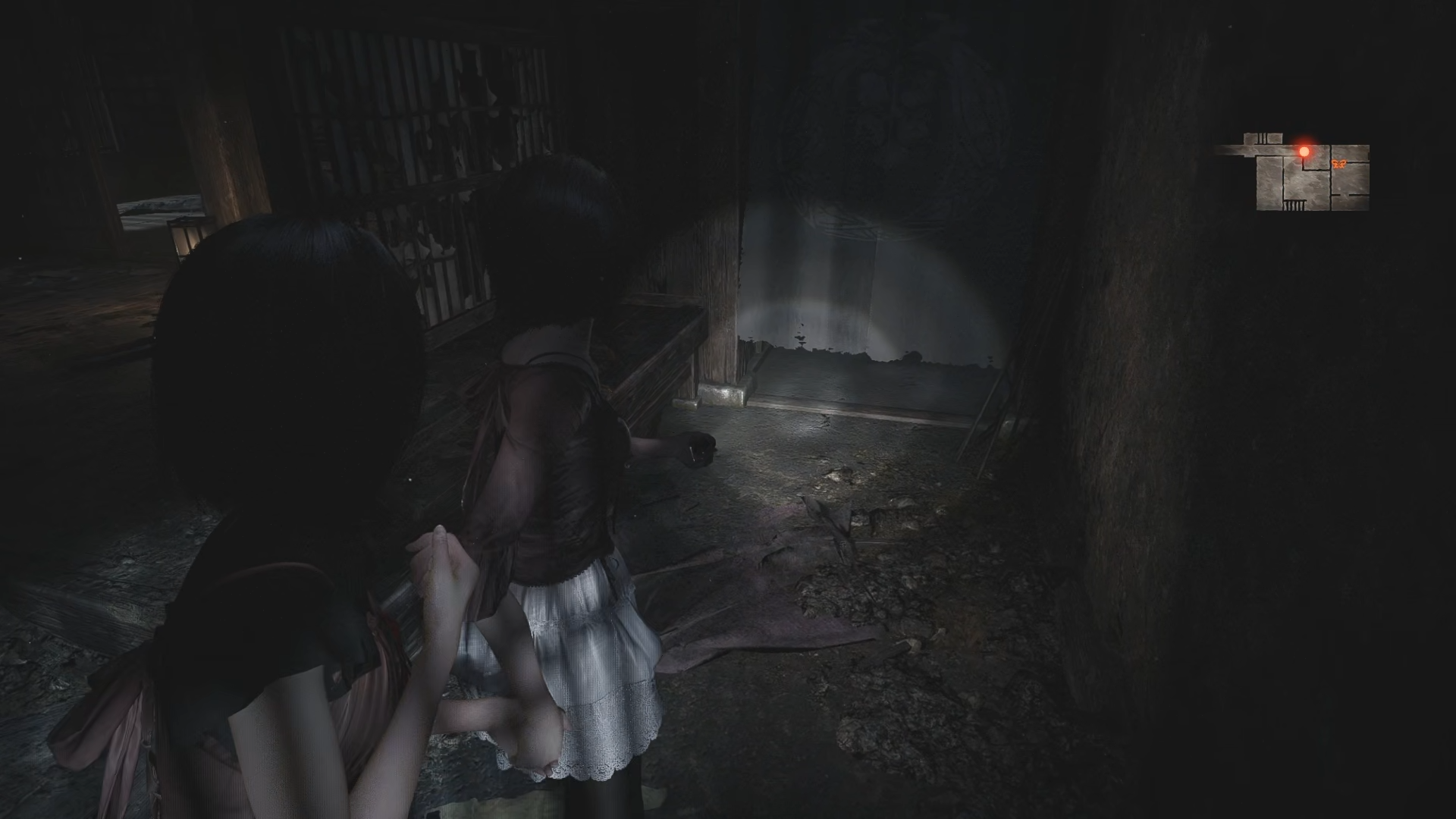
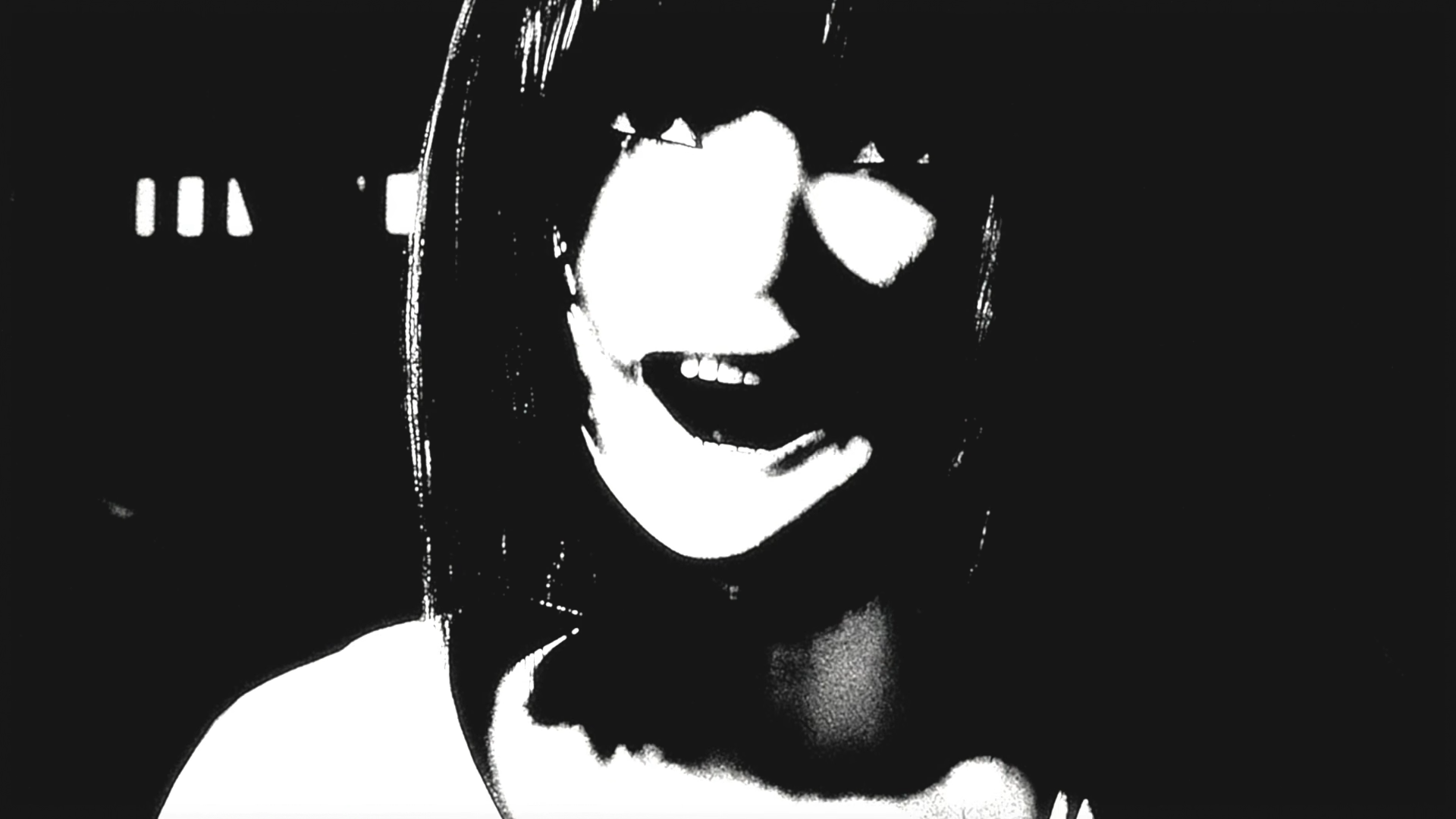
Fatal Frame II: Crimson Butterfly Remake is an incredible example of a remake that keeps its foundation intact. While the game plays a lot smoother, and looks incredible, it does carry a lot of the originals spirit. The animations feel rather out of place in contrast to its sleek design, but that’s because a lot of the rigging seems to still be there from the original. Things like the awkward grabbing of Mayu’s hand is a standout that, while looking hilarious, felt true to its older counterparts. The new art direction for the series gives the game a stunning new look. The new character models look fantastic, and the spirits of Minakami Village are uncanny as hell. The village itself is oozing with a dreadful atmosphere that relentlessly seeps through every frame.
The game chooses a very deliberate middle ground between old and new to deliver a streamlined, but not quite smooth experience. As mentioned before, I prefer the older, clunkier controls for my horror games. Crimson Butterfly feels rather similar to its original counterparts, yet gives it a refreshing new look. The sound design underwent a massive improvement. I can’t recommend playing this game with headphones enough. The positional audio of the spirits was so well done that I could blind fire a few shots and still successfully hit enemies, just by echo location. Overall the game is a stellar upgrade over the original, whilst staying respectful to the long journey that Crimson Butterfly has gone through. It’s definitely a style of horror that won’t appeal to everyone. The game is slow, methodical, melancholic and dreary. Characters sometimes come across as detached and apathetic from the horrors they’re facing. It’s not a game that will give you the adrenaline rush of a few well placed jumpscares, instead it will soak your body in discomfort through its dense atmosphere. Leaving you out in the cold. Juxtapose the intensity with the ability to snap photo’s with the prowess of an automatic rocket launcher, and you’ve got the perfect blend of intense, unnerving horror, and fantastic gameplay. There’s simply nothing like Fatal Frame in the genre. Unless you’re willing to go insane while figuring out Forbidden Siren without a guide.
I have such a deep love for the era of horror that the original hails from. Games like Fatal Frame, Silent Hill 2 and 3, Haunting Grounds, all combine into a wonderful set of harrowing experiences that were ripe for the plucking for the sleuths that wanted to pick a story apart. Instead of a few spooks, we got to feel the melancholy and hopelessness of the characters. While sometimes Fatal Frame has felt like its character were rather detached from the situation, the stories they offered were littered with clues and puzzle pieces for you to solve. Whether this was through journal entries or analyzing symbols using real life knowledge of alchemical history. I was worried that this particular flavor of horror would be lost in translation when the game would get remade for a new audience. My worries pretty much immediately left the room as the first few scenes started. The new visuals do clean up the grainy grit of the original, but Minakami Village still oozes with an enrapturing atmosphere. I got absorbed into its world, drawn into its mysteries, and pulled into its depths of despair. I will always have the originals lovingly displayed on my shelf, but I’m happy to put the remake right next to it.
Sibling love/10
TanookiChickenAttack is made possible by supporters on Ko-fi. If you enjoyed the review, consider becoming a supporter through https://ko-fi.com/tanookichickenattack


